By now we’ve had almost a year without much internet access, bobbing around as we do on huge oceans or sitting on remote anchorages in our little boat, blissfully unaware of what is going on in the world and shamefully uninformed of the events unfolding in the lives of many of our friends and acquaintances.
It has been interesting to go through the process of partial disconnection, confronting at times, and a real eye-opener as to the real state of onlineliness of much of the world.
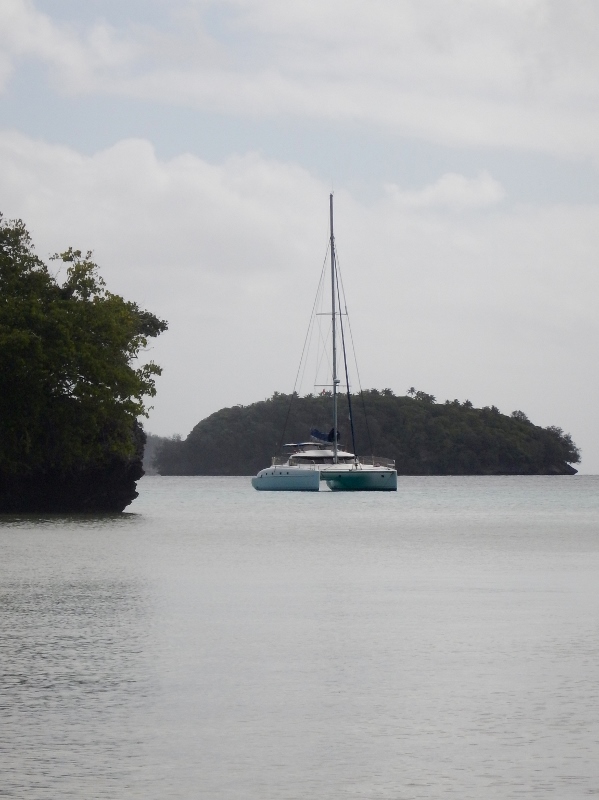
We are, of course, still connected – just less connected than what we used to be back when we lived on land. On Bob the Cat, our connection to the wider world is via the Iridium satellite link through which we receive weather information and emails from close friends and family. It provides a vital link to the outside world, but it is intermittent, slow and only good for the receipt of limited data. Occasionally people try to send us photos or links to websites, leading to messages which can take anything up to a week to download, the images attached to which we never get to see because we simply can’t open them. Often, friends back home will push the reply button to an email that I have sent, unaware that the inclusion of a string of previous emails will mean that the download of their message will take twice as long.
Some of our yachting friends attach small novels to the end of their emails with exact instructions on how to limit sending lots of data, including strict instructions not to press the ‘reply’ button but instead send a new message so as to not overload the recipient. The problem is that the emails are often just strings of numbers, which friends at home naturally find hard to remember.
Although our Iridium plan is for ‘unlimited data’, the limited bandwidth means that we can’t browse the internet at all using it. And I mean not at all – it takes about a week to try to upload the front page of the Google website, and we have yet to do one successful search.

Even with our full life travelling around the perpetually sunny tropics, we do still feel like we need the internet occasionally – to download or send Customs forms, to figure out which marina to go to in a new place, to research where to go in the places we’re about to visit, and to update the blog.
When the need hits us, we have two options – either we visit an internet cafe for half a day or we buy a local SIM card and hotspot one of our mobile phones.
In most of the places we’ve been, internet cafes have been a less than reliable option. They exist almost everywhere nowadays, but connections are often ropy to say the least. In Bora Bora we had two very expensive dinners in a yacht club in the hope that we could update the blog, to no avail. In Galapagos, the connections in the internet cafe timed out again and again, leaving us with downloaded emails that we couldn’t reply to and no wiser as to where to send our leaving forms should we ever succeed in fully downloading them. Our laptops are old with shocking batteries which means that even if a device is fully charged, we get a maximum of 20 minutes staring into a screen darkened by a power saving reduced backlight, rendering the images on the screen largely indecipherable against the backdrop of bright tropical daylight, our sweaty fingers feverishly maneuvering the mouse, trying to upload pictures against the relentlessly ticking clock of steadily reducing battery power. Some places have power points available for customers, and we’ve sat for hours, drinking one grapefruit juice after another whilst catching up on import regulations for Tonga or emailing potential brokers for selling the boat in New Caledonia.
SIM cards are available in most places, but as we have to pay overprice for the data we use hotspotting the mobile, we have to be rather strict about internet usage. Things like Facebook are prohibitively expensive; just a simple log-on can cost hundreds of megabytes of data because of the upload of scores of photos in the posts we’re anticipated to scroll through. I was never a big Facebook poster before we left, but I used to log in from time to time, quietly stalking the lives of more actively posting friends and acquaintances. Now I only use Facebook to quickly put up a link to my blog, and it’s been almost a year since I’ve been able to scroll through the lives of others. Which means that I’m woefully out of touch with what people are having for dinner, where they’re holidaying and the achievements of their incredibly talented offspring. I no longer know whose daughter won Player of the Day at soccer, whose son scored highly at the regional swimming competition or whose beloved child aced the spelling bee at school. There is a gap in my life which used to be filled with pictures of the fancy houses / cars / jetskis purchased by wealthy colleagues, the gruelling sporting events completed by people I went to primary school with, and the garage sales raising funds for Plunket in my local community. Add to that the fact that I’m totally out of touch with the latest throng of hilarious cat videos, and you can see why I feel so disconnected.

It is not just my voyeuristic self that has noticed the change. We all miss the instant access to information that we’ve grown accustomed to from our settled life – instant answers to queries satisfied only by a quick peek at Wikipedia, the aimless searching for stuff that would be incredibly useful for our homeschooling daily life, one query following another to explore a topic according to our fancy. With proper internet access we could have learned so much more, could have easily targeted the schooling to make it super relevant to the places we have visited. Instead, we’ve found ourselves forced to go ashore, visit locals, go to museums, ask questions and spend hours in bookshops looking up guidebooks, swapping precious Caribbean fish guides for thin volumes describing the culture of Pacific peoples.

I grew up like that, of course – back when research meant a visit to a library, when you had to wait a month for a copy of a research paper from a journal held in a distant library. Nowadays our living rooms have taken over from libraries as places of research, the latter becoming largely obsolete buildings housing out-of-date printed material, offering mum and bub toddler time and displaying tattered copies of children’s books.
The connectedness we took for granted in our home life is definitely compromised out here, on the ocean, in the Caribbean, Central America and the Pacific. At home we read exciting articles in New Scientist describing the increased internet access in developing countries, outlining how former ‘dark’ continents have become lit by the blue-white glow from countless wireless devices, waved about by rich and poor alike. That is not quite how it seems where we’ve been – we’ve got more of a dusky impression of the state of internet accessibility.

It isn’t at all bad to be disconnected, of course. We avoid the tedious day to day news and only hear the really big stuff, like the insane rise of house prices in Auckland. The downfall of Tony Abbott or the change of Labour Party leadership in New Zealand takes months to filter through. And nothing quite beats the thrill of arriving somewhere with internet access, when we get out the Kindles and start downloading reading material, Matias reading non-stop for days afterwards, completely submerged in the magic world of Harry Potter, Demon Dentists and I Survived books.
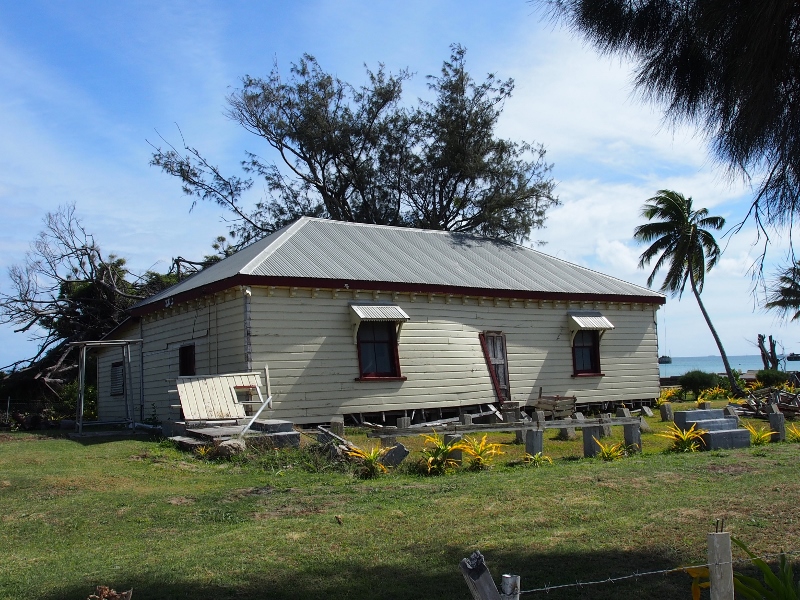
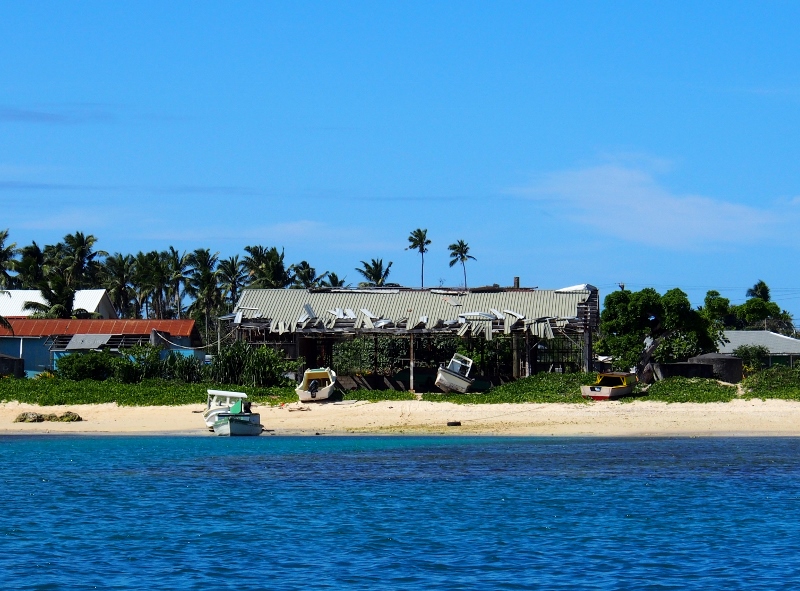
We trust that we’ll find out about the important stuff when we need to – and generally we do. We know when the next Rugby World Cup game is on, and which village we can watch it in, because the locals here are crazy about rugby. We found out in time about the tsunami that struck Fiji two weeks ago, and David stayed up all night to watch the depth sounder show the slow rise of Bob as she bobbed gently up and down atop the 3/4 of a metre wave that passed under us in the spot we were anchored in.

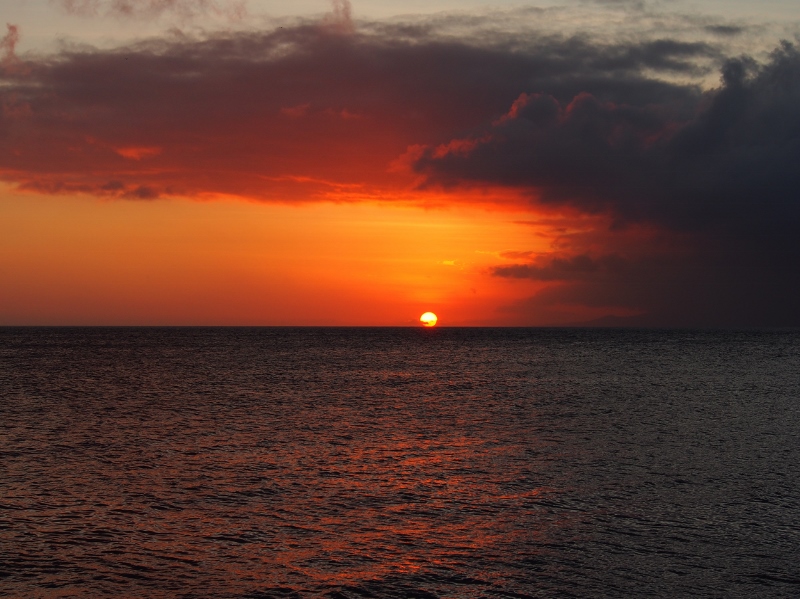
We know when the sun is rising in the morning, when it sets at night, and whether a full moon is likely to grace us with its presence on our lonely night watches on the way to Vanuatu. The rest can wait until we get back home, and in the meantime we hope our friends will excuse the lack of ‘likes’ we offer their online existence – you are in our thoughts and hearts, we just don’t have enough bandwidth to show our appreciation through Facebook.






















































 SV Bob The Cat