
Lukie was the first of the family to swim in Indonesia. And not in a good way.
It happened just over two weeks ago. We were fleeing the filthy port of Tual, heading for the clear waters of Triton Bay. It was a calm afternoon and we were motor sailing along at 4-5 knots in light winds on a flat sea. We’d had an uneventful trip so far – a bit of rain, a bit of sailing, but the winds were flaking off and we were getting ready for a night of motoring. It was about 4:30 pm and I was in the galley, chopping some vegetables for dinner. Matias and Lukie were playing on the trampoline when suddenly Matias started yelling.
“Must be a big whale or something for him to shout that loudly,” I thought to myself mid-chop. “Better get the camera ready!”
I put down the knife and went to fetch the camera. Matias continued to yell and suddenly my world stopped as the words took shape over the roar of the engine and the hiss of the stove.
“Man overboard! MAN OVERBOARD! Lukie is in the water!”
My heart raced. I threw the camera onto the table and rushed outside. David was at the wheel, having already put the engine in neutral and placed us hove-to to stop forward movement. Both he and Matias were pointing at Lukie who was floating in the water about 20 m behind the boat.
I scrambled over to the flotation devices and threw a yellow horseshoe float towards Lukie, and then hurried to get the float and line.
“Grab the floatie,” I shouted to Lukie. “And then swim towards the boat.”
David started reversing slowly towards Lukie, who by then was safely installed in the bright yellow floatie and swimming rapidly towards us. Within seconds he had a grip on the buoy at the end of the line and I pulled him in. He climbed onto the boat and sat down for a second, catching his breath.
“Well done, team,” said David in a light tone as he slowly put the boat back in forward gear. “Just like we practised!”
I swallowed. He was right. It was calm and collected, under control. Nobody panicked. Lukie swam steadily through the dark sea towards the boat. Matias kept pointing. David stopped the boat immediately. I threw hi-viz floaty stuff overboard for him to grab onto and to mark the location. It was so under control that I knew the moment I came outside that we wouldn’t use the DAN buoy, the 3-metre tall orange sausage that is invaluable in marking a spot in a rough sea. The self-inflatable DAN buoy only works once, and there was never any doubt in my mind that it was to be saved for a real emergency.
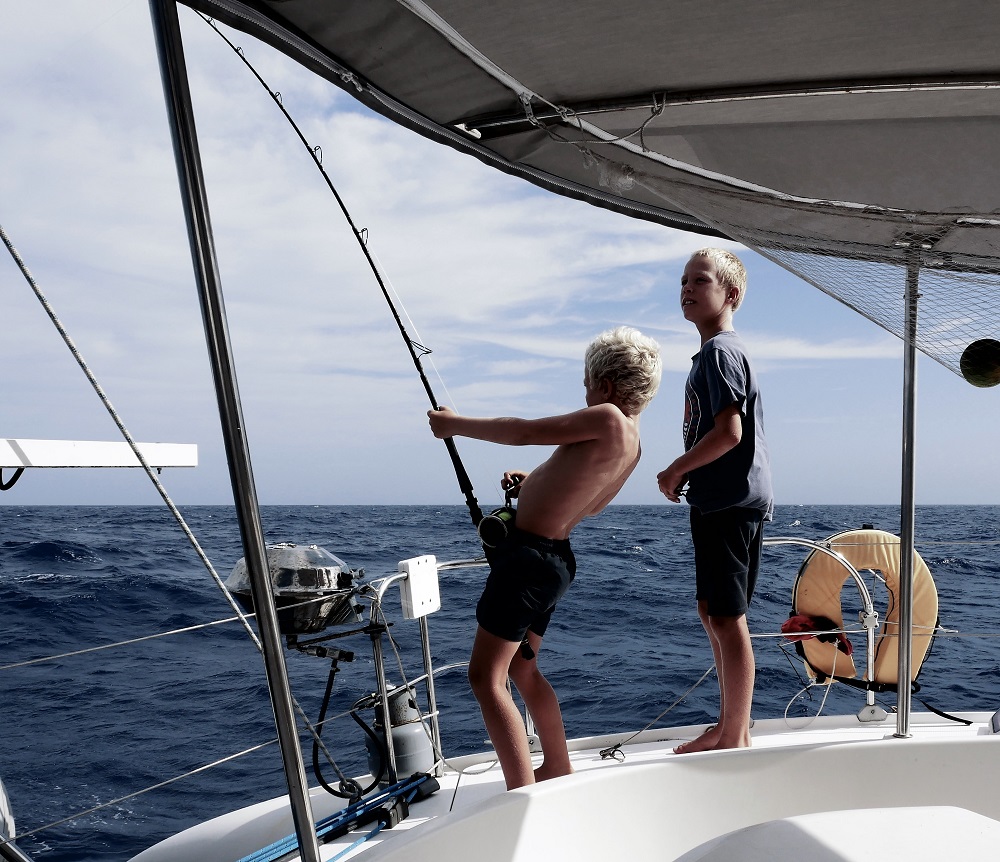
During the post-mortem it became clear that Matias and Lukas had been playing at the very bow of the boat. Lukie had been swinging on a new rope we had installed for the current bout of pirate games. Whilst jumping on the trampoline, he hit the genoa and slid underneath it into the sea. Matias started yelling immediately, and David stopped the boat within seconds.
We decided that the pirate game is best kept for anchorages.
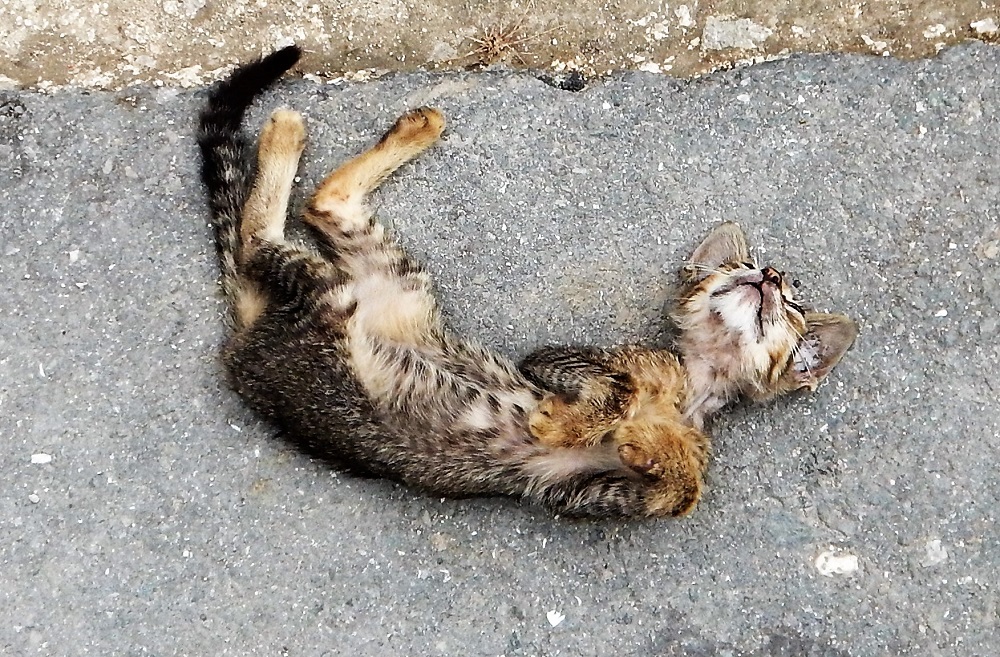
Man overboard notwithstanding, it was a relief to leave Tual behind. It took us four days to clear Indonesian Quarantine, Customs, and Immigration, four long days sweating in the hot sun in a foul anchorage, our only respite from the smelly water hectic visits to an overwhelming Indonesian port town full of people, animals, cars and mopeds.
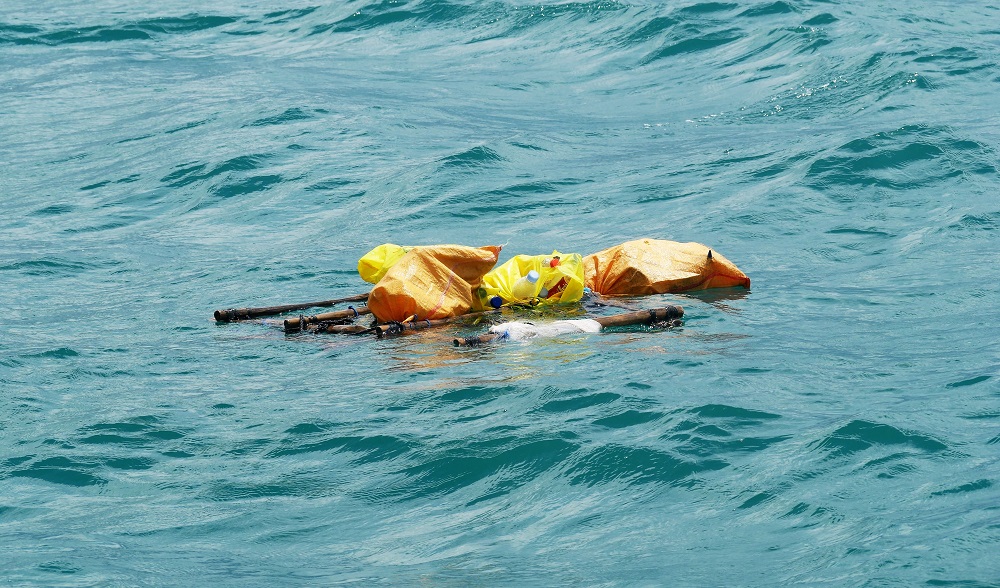
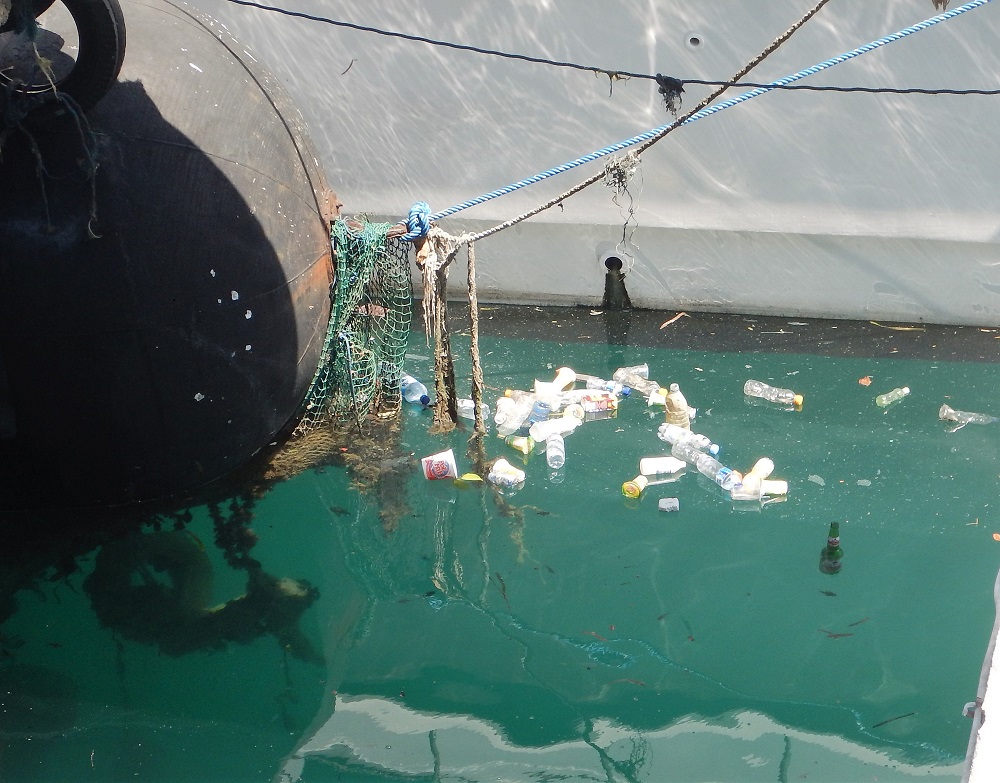
We sensed Tual, our first port in Indonesia, many miles before we arrived, getting a nauseating feel for the place as the floating rubbish steadily increased. As we neared the town anchorage a dead pig floated past the boat, its four limbs sticking out from a heavily bloated body. Getting ashore involved driving the dinghy through rubbish several layers deep, stopping every so often to untangle plastic bags from the outboard prop, a neverending supply of bags coming from the thick sheet of plastic junk swaying in the slight swell, mixed with smelly food waste decaying against the shoreline in the searingly hot sun. Drink containers, plastic bags, fishing floats, flip flops, disposable nappies, packaging. Straws, cardboard, fishing nets, bits of rope. Styrofoam breaking up into tiny seeds that tinged the water white. Balls of fishing line wrapped around a t-shirt overlying a bamboo stalk with water bottles floating underneath, holding up the raft.
It’s an incredible mess, a huge culture shock and a drastic change of scene from the Pacific. Yes, there is rubbish on the beaches in Fiji, but nothing like this. Yes, we saw school children happily throw their lolly wrappers into the harbour in Tonga, but most Pacific countries are working hard to ban single-use plastics, and new generations are becoming wiser. Indonesia is different. This is industrial-scale indifference, the evidence of a densely populated, rapidly expanding consumer culture that still has no regard for where the ensuing detritus ends up. On the dock our friends saw a housewife traipse down and lean over the concrete wall to carefully throw her rubbish bag into the sea. In the muddy waters lining the shore, kids play knee-deep in rubbish, trying to catch fish from the stinky sewer of discoloured water.
The town market reveals the source of the rubbish. All the stalls sell the popular Chinese products that we associate with 2-dollar stores at home – plastic toys packaged in transparent plastic, plastic buckets, rakes, hair ornaments, mirrors, all shiny, fragile, and colourful. Single-use washing powder is sold in individual plastic pouches, portion-sized sauces like ketchup and soy sauce in individual packages, condiment parcels just big enough for a small meal for one. Small blister packs of instant coffee premixed with milk powder and sugar hang next to tiny sachets of salt, pepper and monosodium glutamate. Shampoos, conditioners, soaps and cleaning products are all sold in portion-sized wrapping. It’s K-Mart on steroids, all the shiny, cheap, plastic trappings of modern civilisation proudly on display, individually wrapped, ready for the rampant consumption of an exploding culture.


It’s a colourful place, and loud too. The majority of the population in Tual is Muslim and five times a day the muezzin calls out from the rooftops, the melodious song being broadcast from loudspeakers scattered throughout town, resonating over garbage-covered still water. Christians live here too, and the town is full of crazy contrasts – a fully veiled Muslim woman riding a heavily adorned ‘Hello Kitty’ all-pink scooter, veil trailing behind her, high heels protruding from her long pants struggling to gain foothold on the small pedals, next to a snazzy Christian woman dressed in tight shorts and a clingy top with sparkle writing across her wonderbra chest, heavily made-up eyes hiding behind shiny sunglasses reflecting the brightly-coloured market stalls.


The people are incredibly friendly. Many shouted greetings when they saw us, often the only English they knew: “Hello Mister,” only occasionally altered to “Hello Sister” for me. Shy school girls followed us around, whispering behind their hands, giggling as they rushed towards me shouting “What is my name?” then fleeing before I got a chance to explain that I wouldn’t know.
Nobody speaks any English and we were soon utterly lost, hiding behind our Swiss-Italian friends who live in Bali and know Bahasa. Even buying the simplest item is impossible without any language and after causing a stir by paying the prices asked (the women holding up fingers to indicate how many tens of thousands of Rupiah they requested) I quickly learned the numbers so that I could bargain as expected in the fruit and vegetable market.

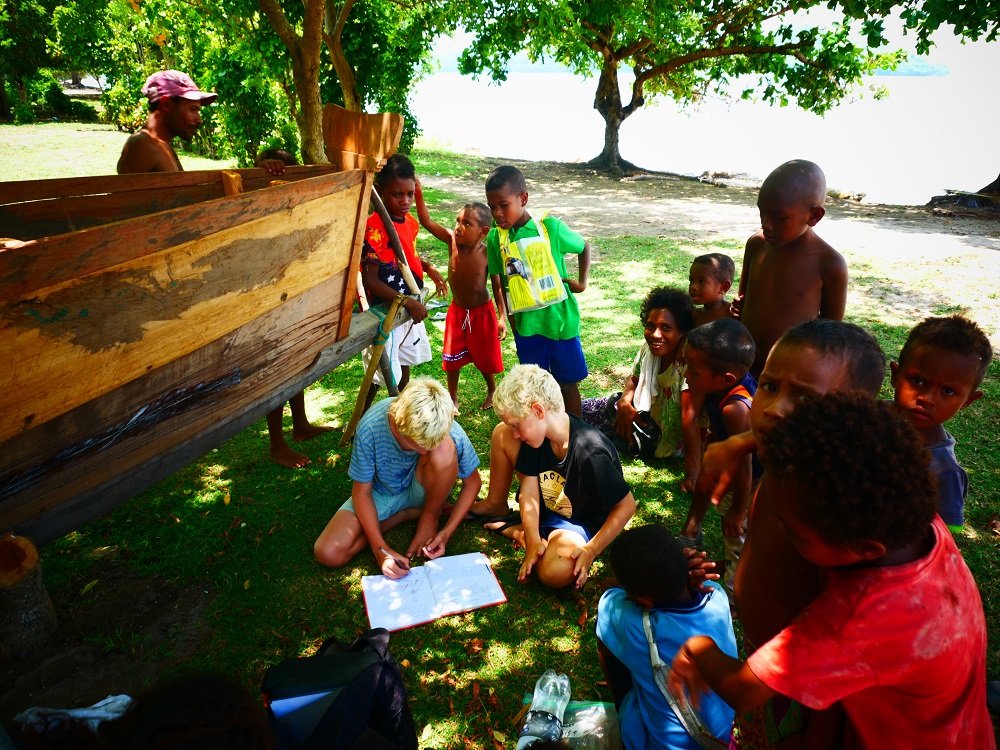
The kids were an instant hit and as soon as we set foot ashore the crowds had their cell phones out, snapping away. As we walked the streets people held their phones above their heads, videoing our progress. When we accidentally gate-crashed a wedding whilst trying to make our way from the shore to the town’s main street we were greeted with open arms, invited to stay, and forced to pose for endless photos with an army of pink-clad female wedding guests. Everywhere we went people grabbed the children, coercing them to pose for selfies ensconced in the arms of their captors. Normally I’m self-conscious about taking photos of locals in countries we visit (it seems exploitatory and condescending, them going about their normal lives and me finding it fascinating and colourful); here I do it as retaliation. The children were plotting with their friends that they would start charging for photos: four blond kids charging only Rp 5000 per photo. Bargain. When I mentioned the fee to a group of very loud market women who were literally about to carry my children away after overcharging me for their produce they cackled loudly and slapped my back, repeating my ludicrous demands (about the sixth of the price of a pumpkin) to each other.
Even the officials requested selfies. The Customs officers boarding our boat solemnly asked for a group photo before they left, and our visit to the police station where we were trying to obtain yet another permit was constantly interrupted by passing officers leaning in and snapping selfies over the kids’ shoulders. By the end of our brush with town Indonesia, our children’s photos must be gracing hundreds of Facebook accounts, grim-looking blond kids scowling next to a cheerful looking local holding two fingers in the air.


Four days in Tual was enough civilisation to last us a while, and after spending a day getting yet another set of permits in Kaimana, the capital of the Triton Bay area on Irian Jaya, the Indonesian part of Papua New Guinea, we felt relief at arriving in Triton Bay.


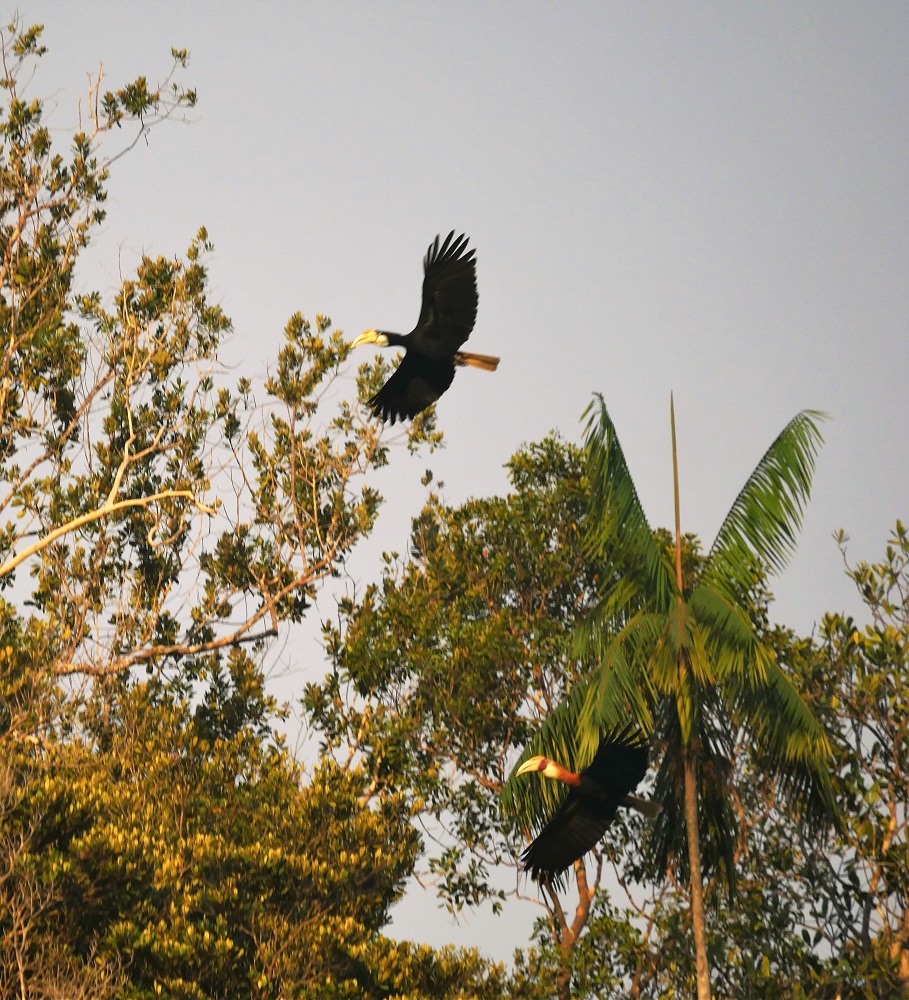
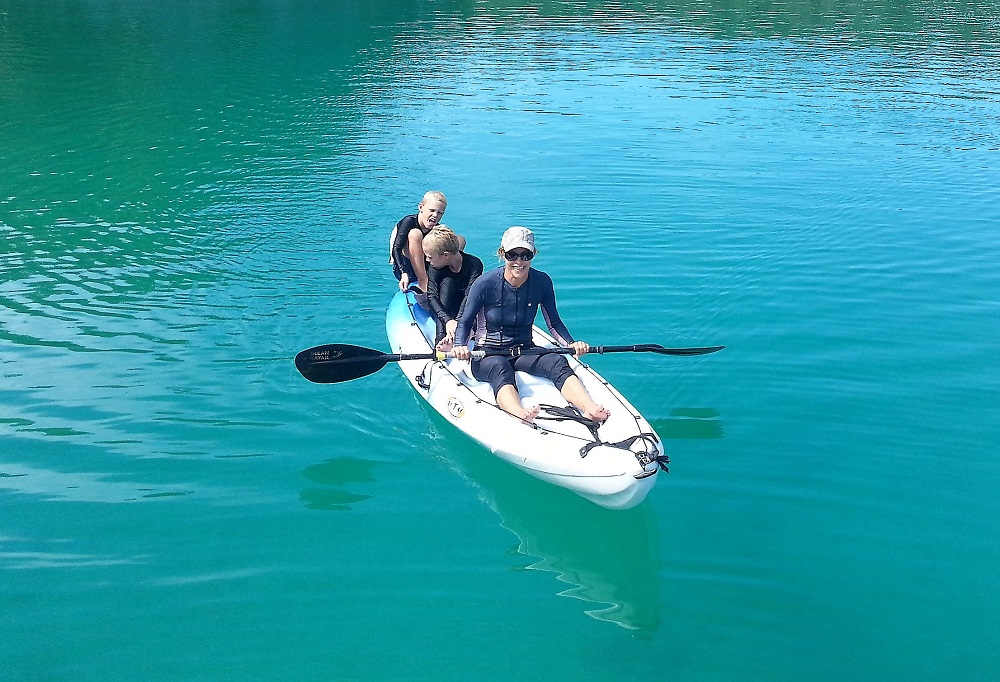
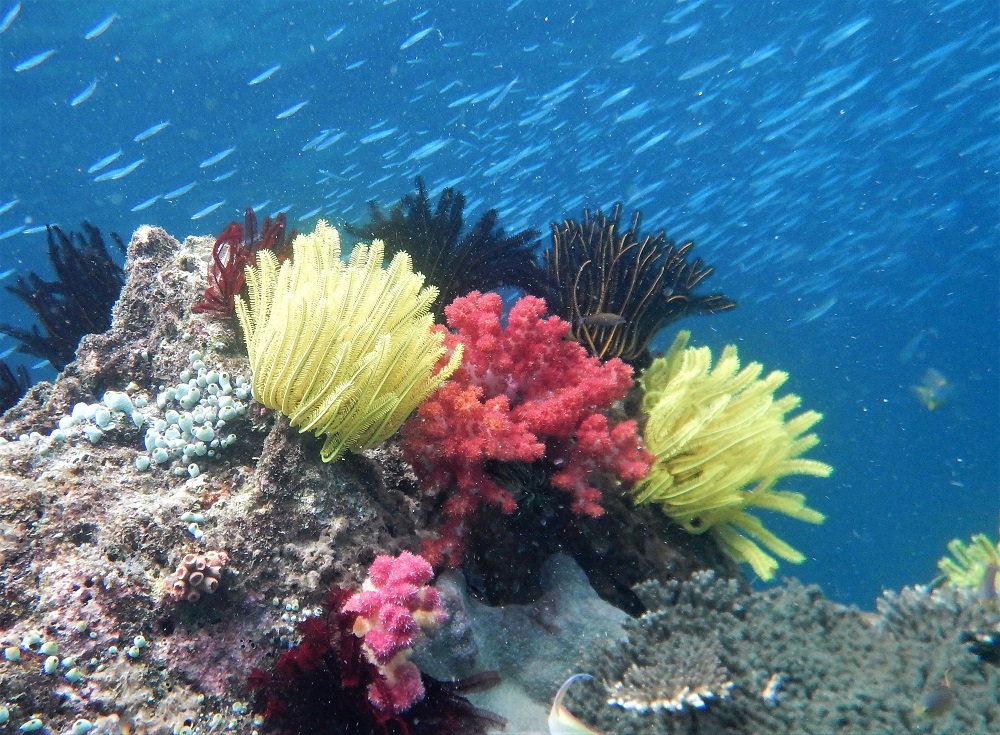
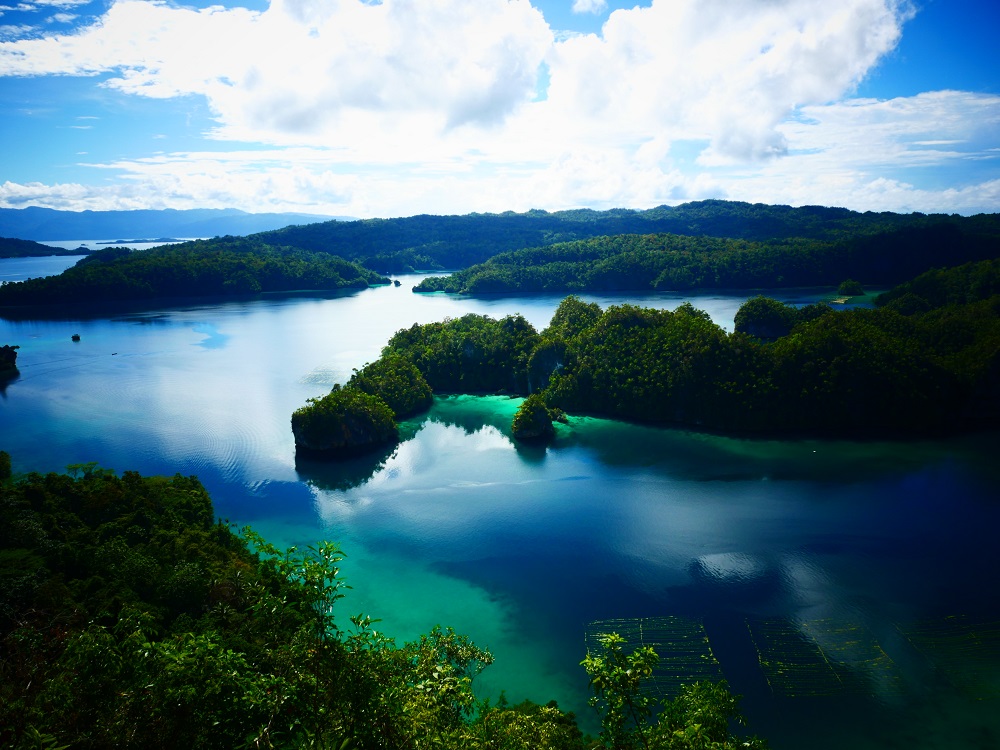
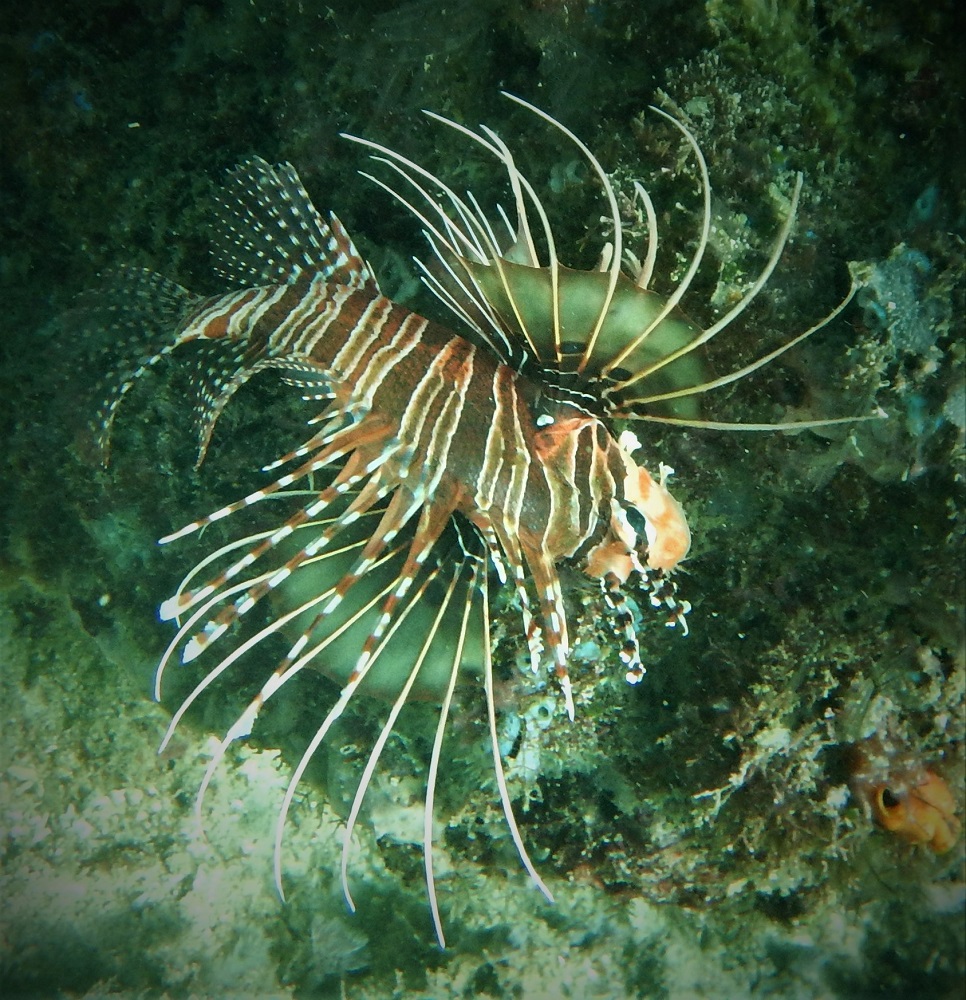
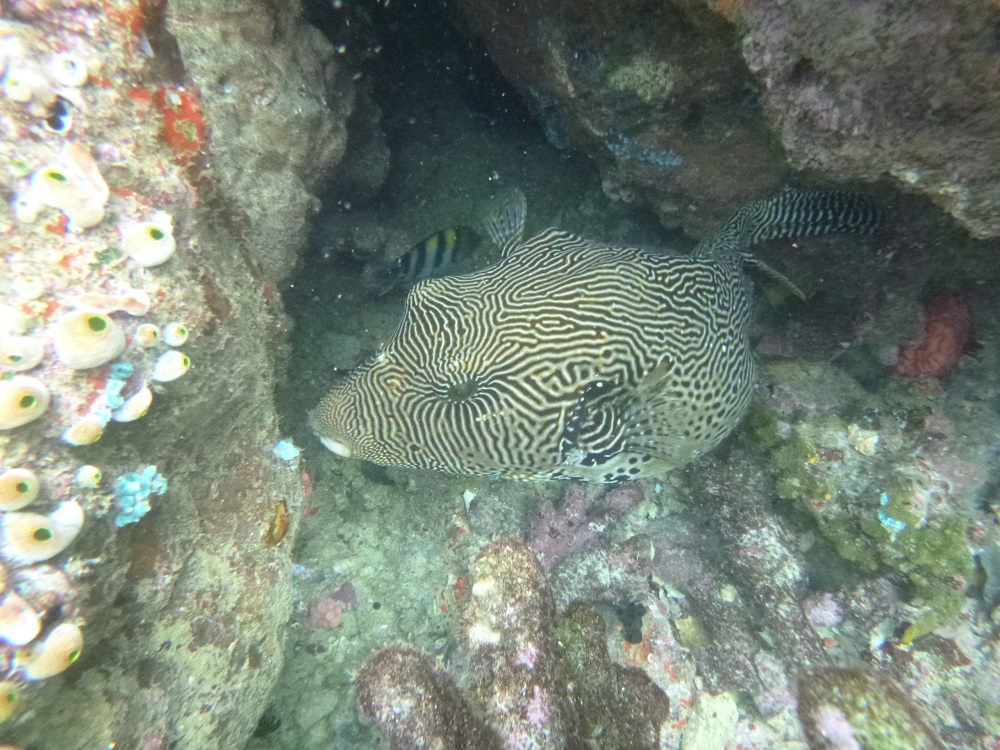
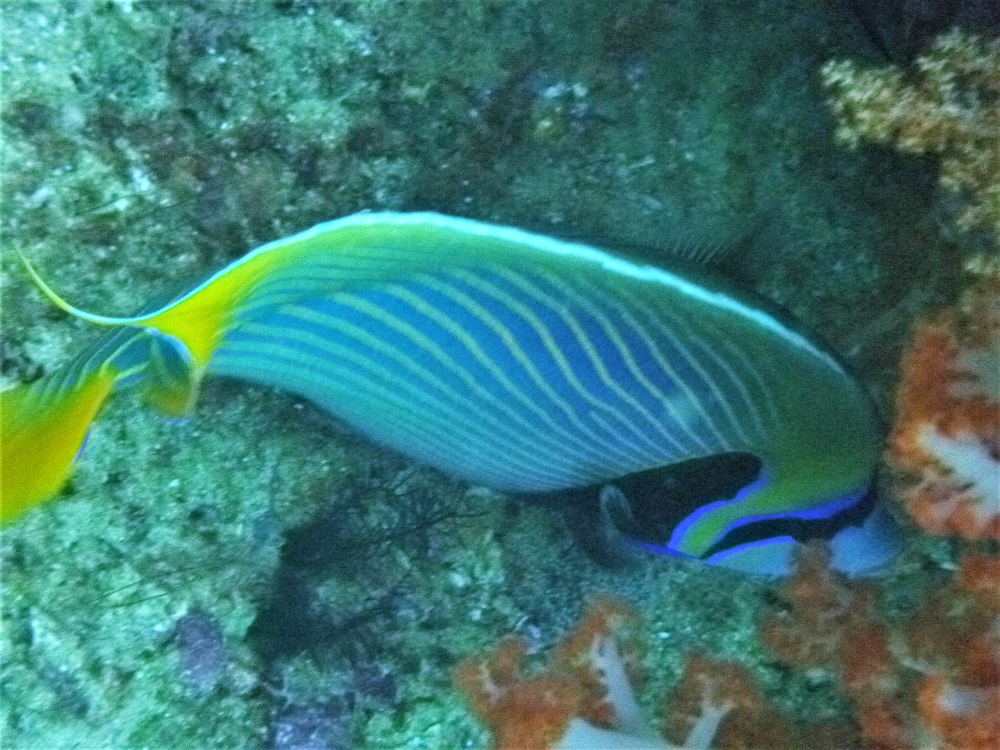
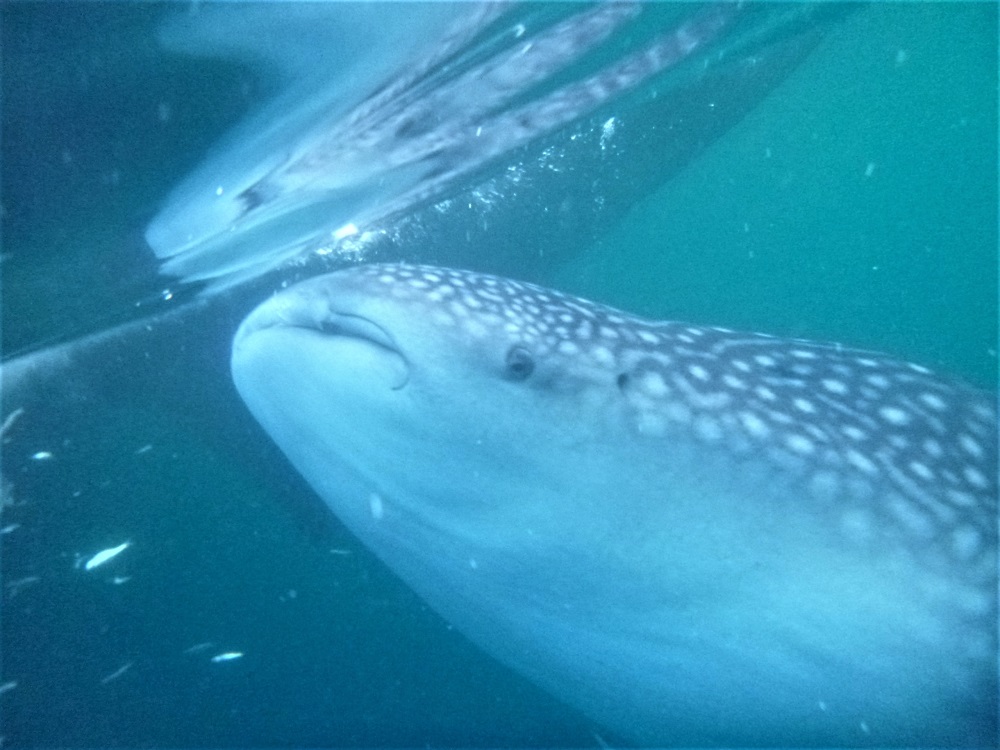
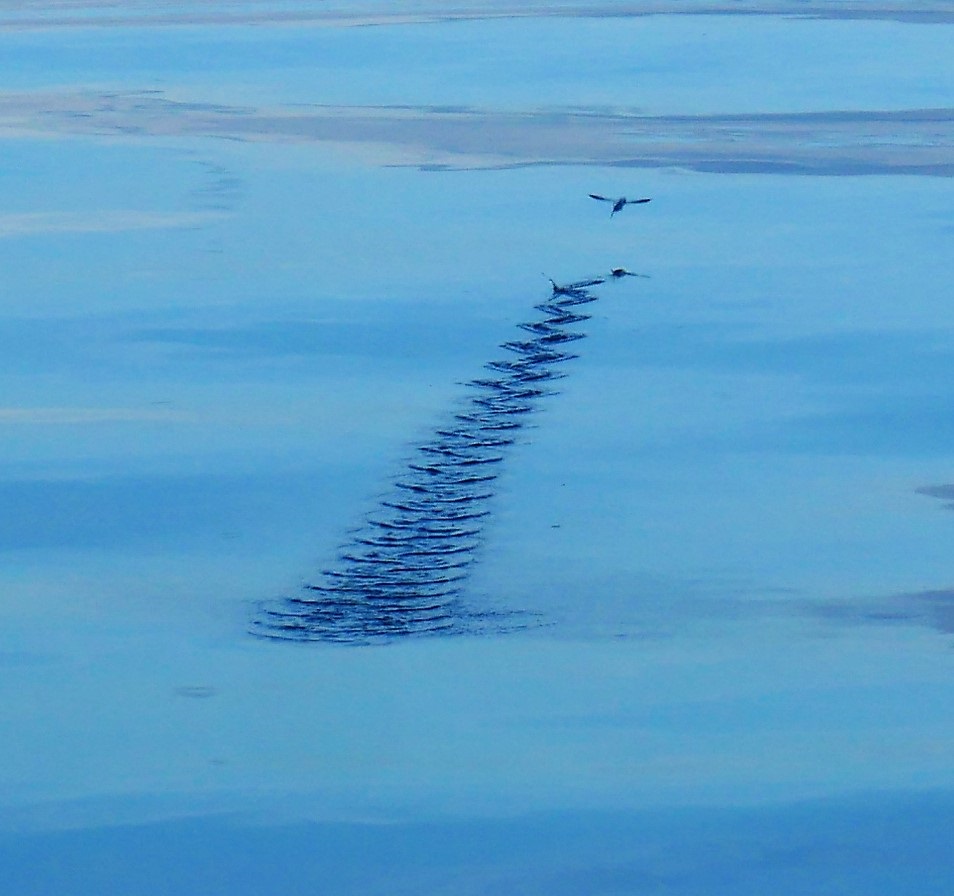
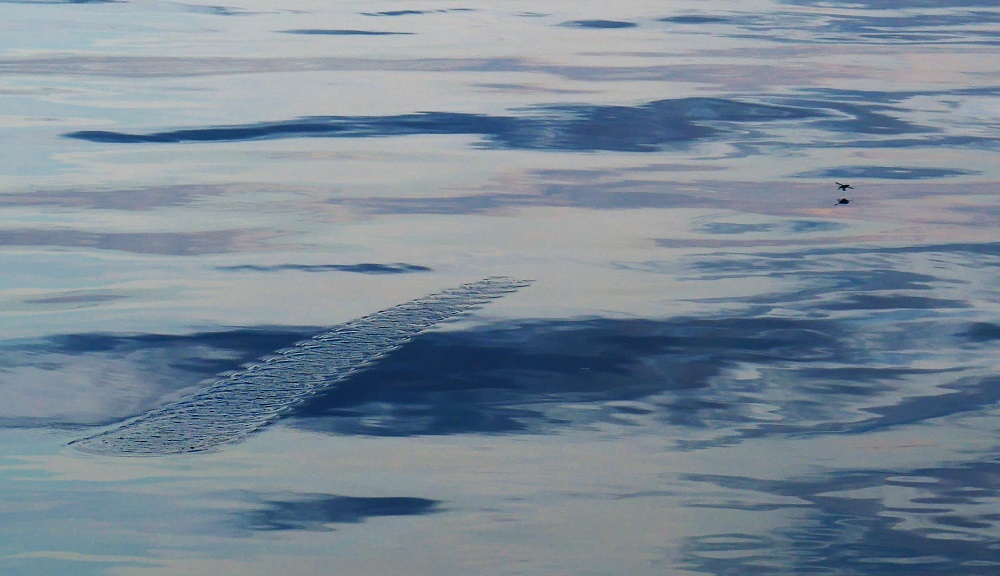
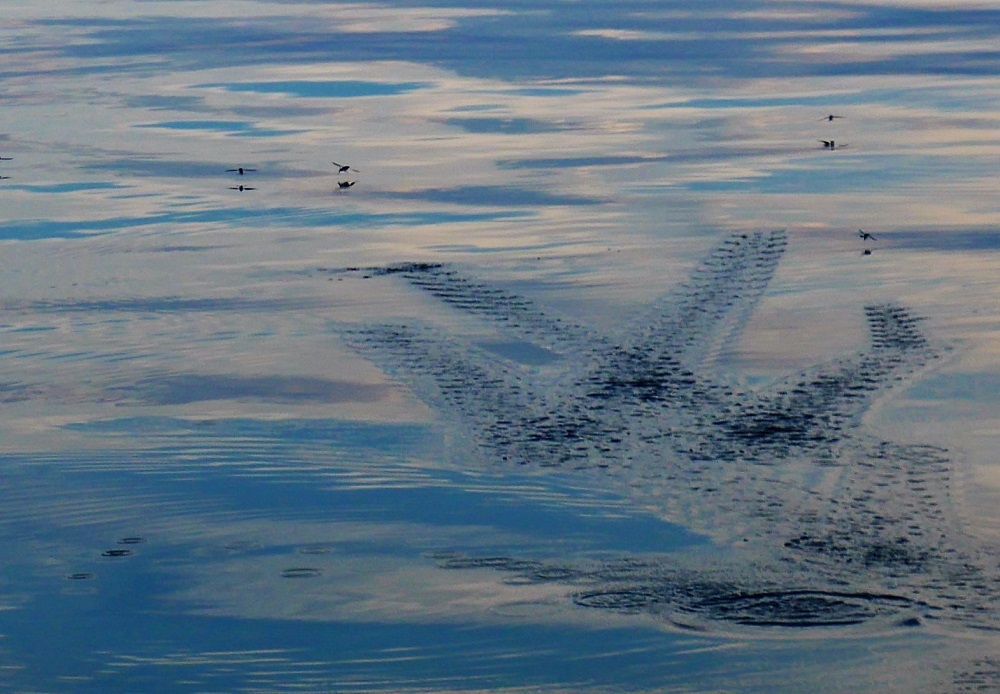
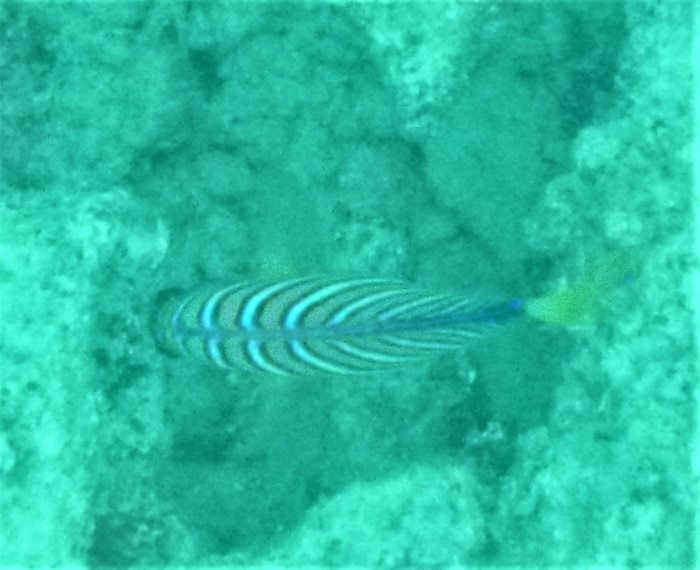
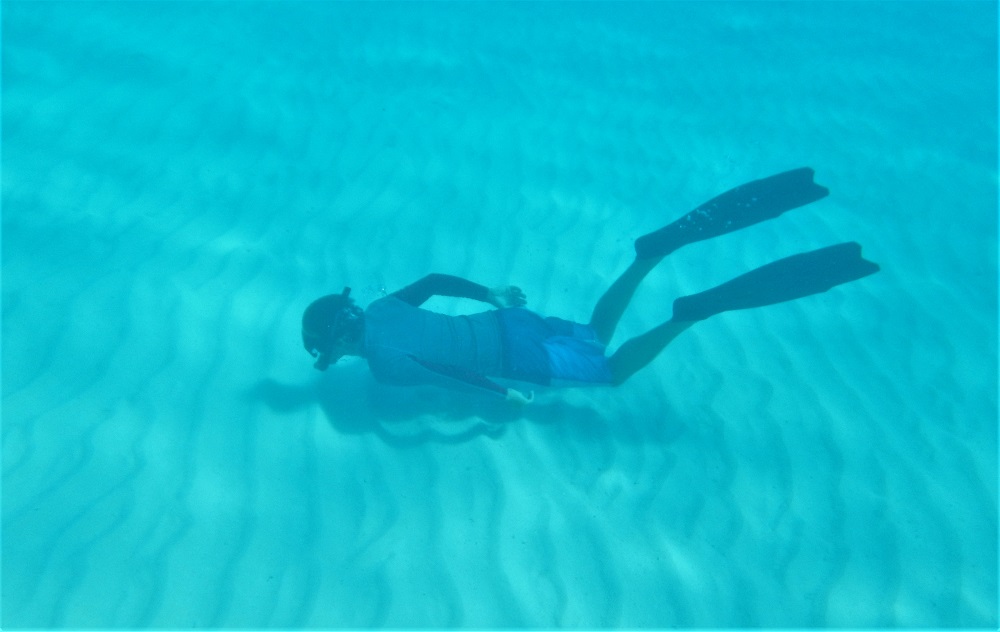
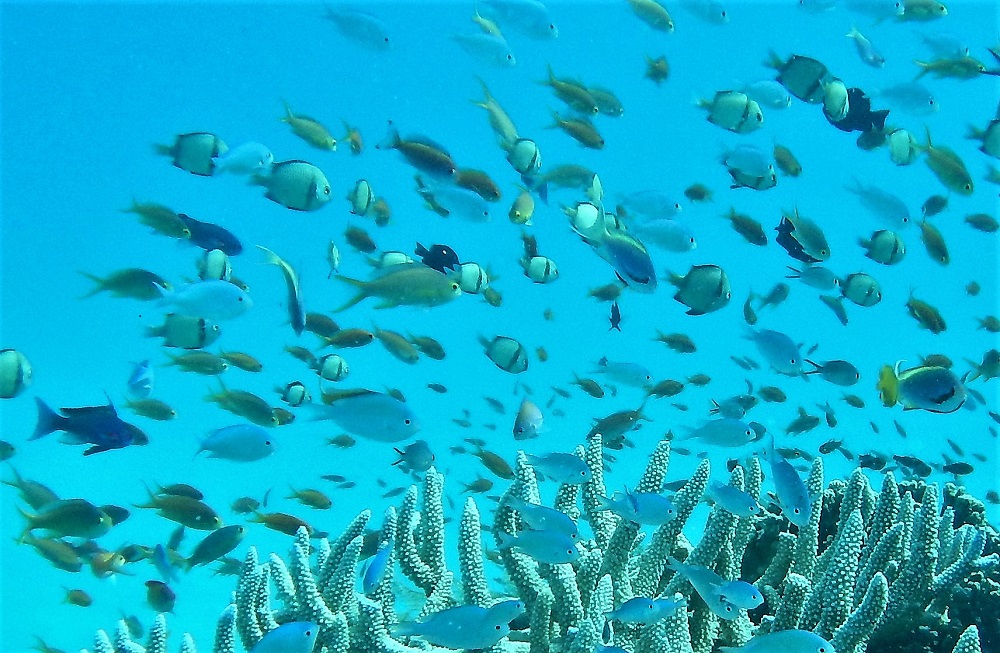
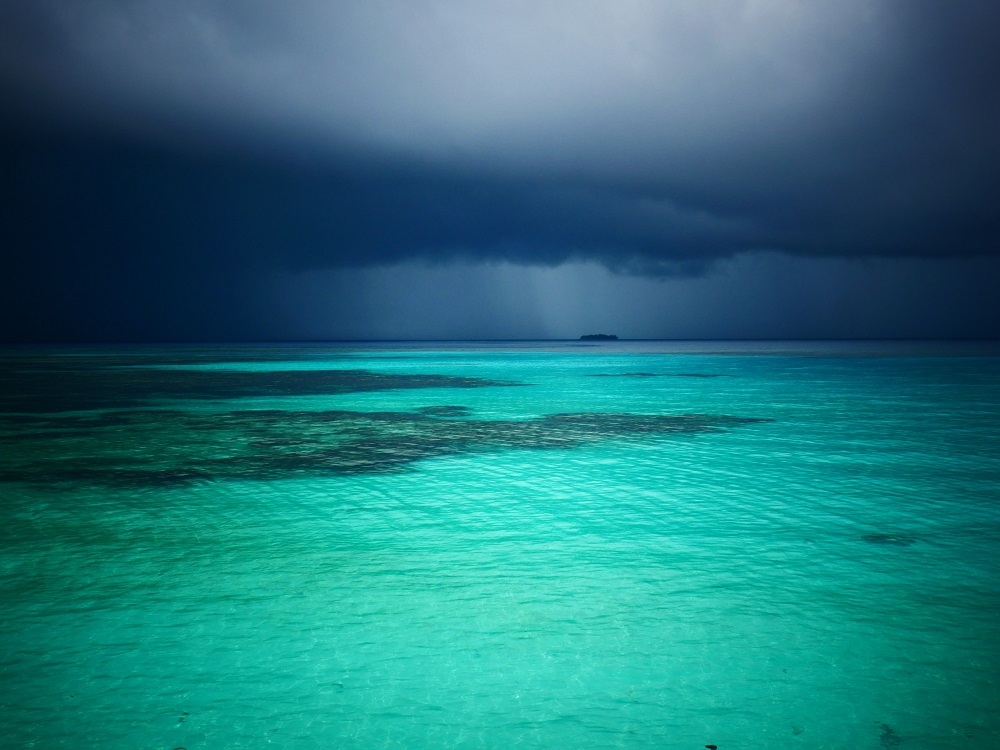
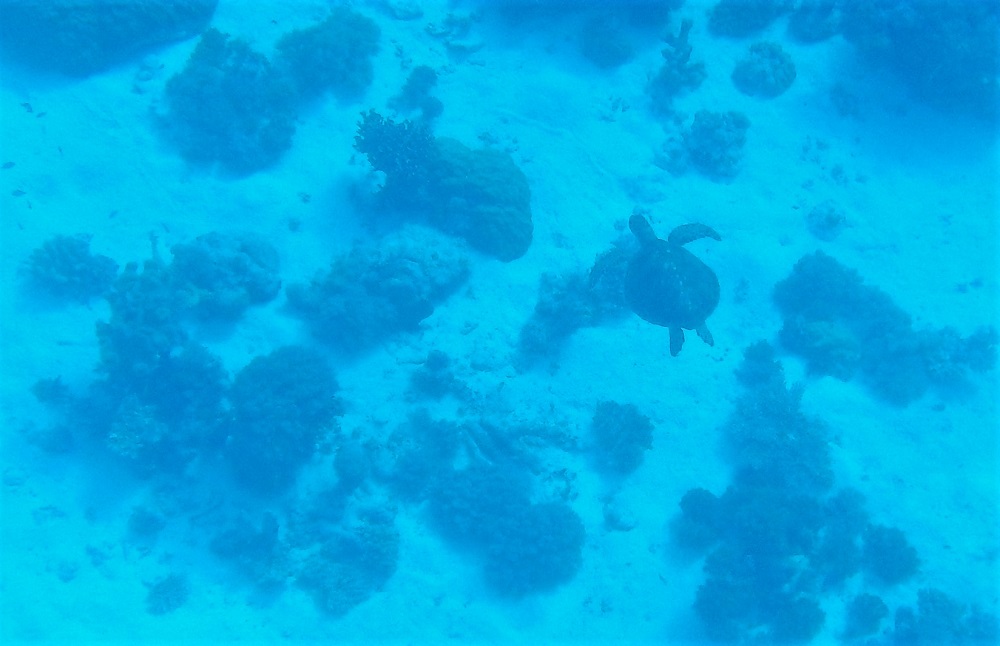
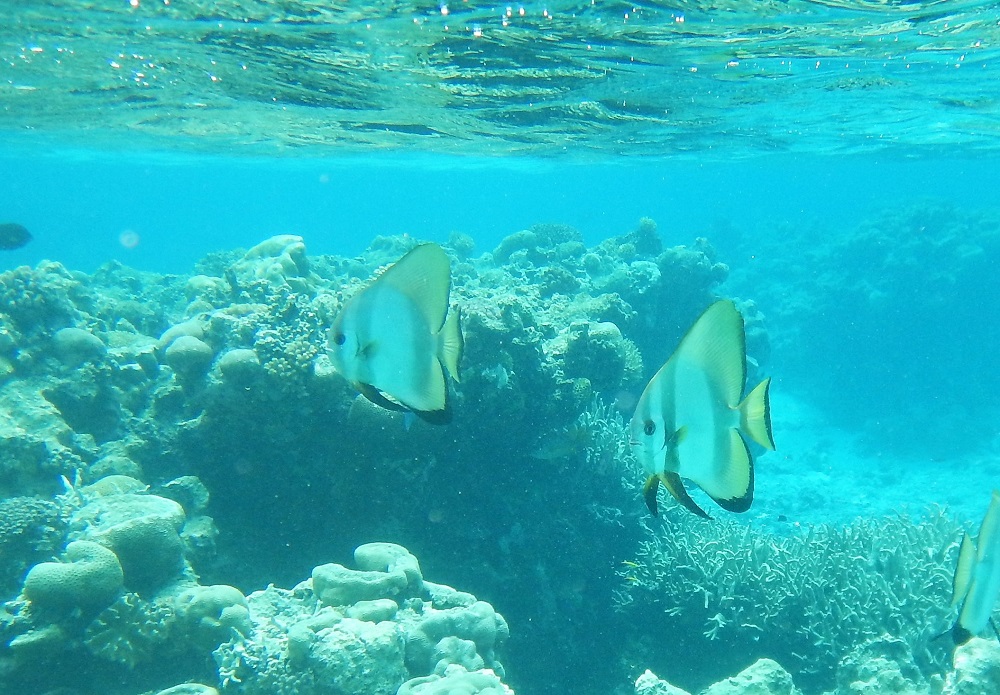
Triton Bay is on the south-western coast of Irian Jaya, an area full of steep hillsides and small vertical islands set in glassy calm seas. Here, the only busy place is the sea, where in many respects the activity levels mirror or even exceeds that of Tual. It is an incredibly productive area; the water is thick with plankton and clouds of the tiny fish that feed on them. The schooling baitfish come in all sizes – from microscopic hovering swarms just above the extended tentacles of branches of soft coral to thousands of small fish in schools hiding under our boat and millions of finger-long silver darts streaming through the water, changing direction as one co-ordinated group when a predator approaches. The fish are so numerous that it felt as though we are diving in a bait ball: there was no knowing what was up and what was down, and definitely no seeing the reef beyond the crowds. We’re suspended in Blue Planet: the Great Feast – a smorgasbord of coastal plenty, tiny prey feeding tiny voracious predators being gulped down by larger fish, a three-dimensional world of plenty where fish lives are played out in all their terrifying swiftness.

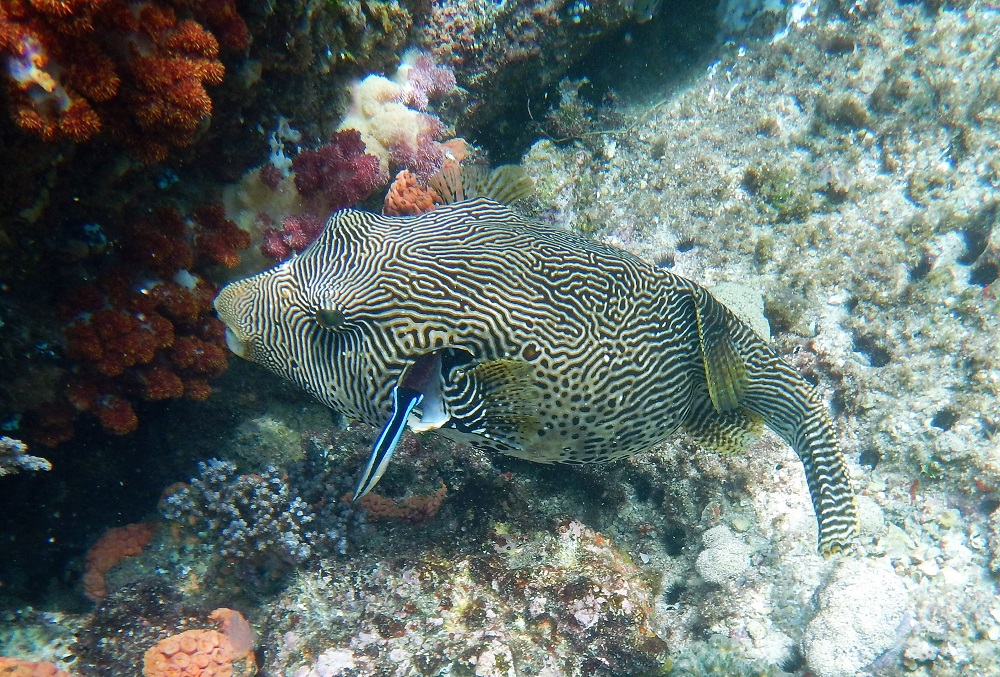
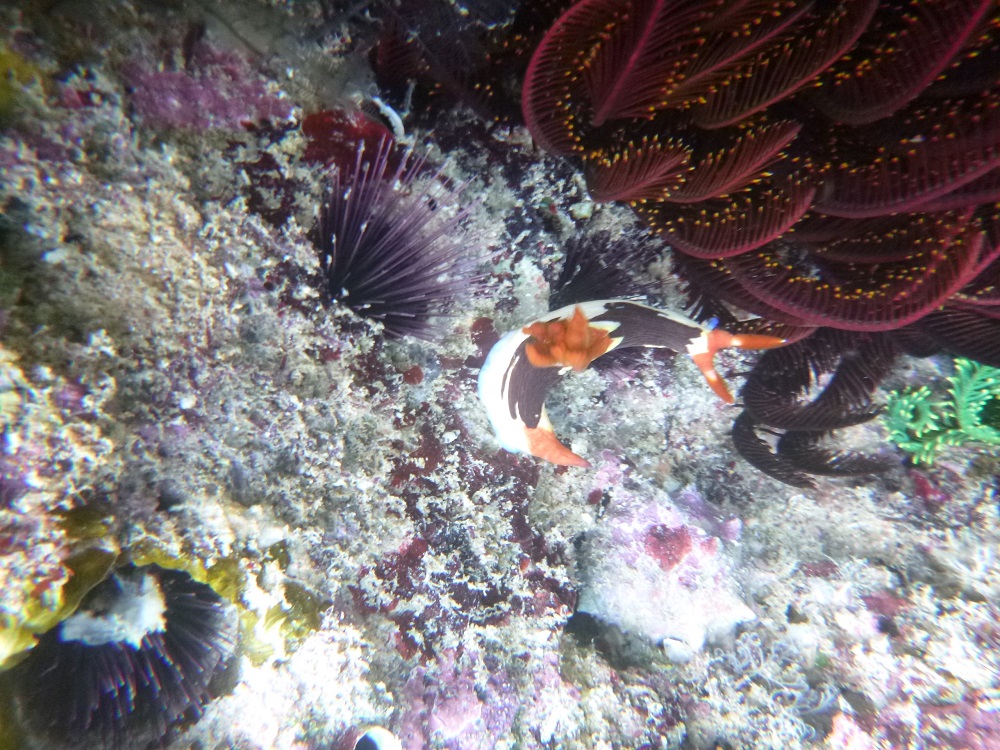
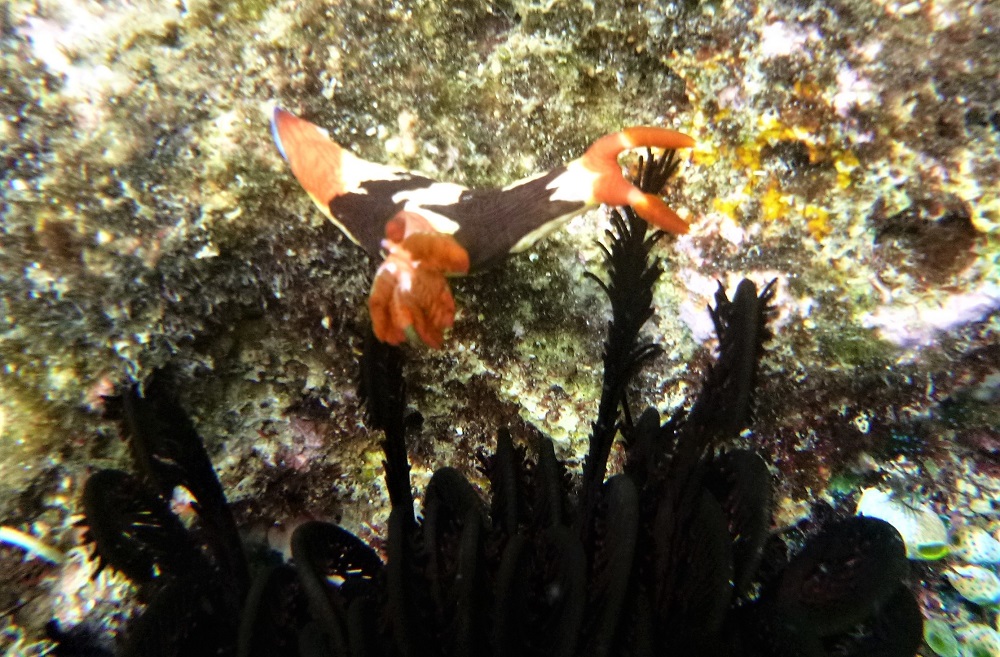
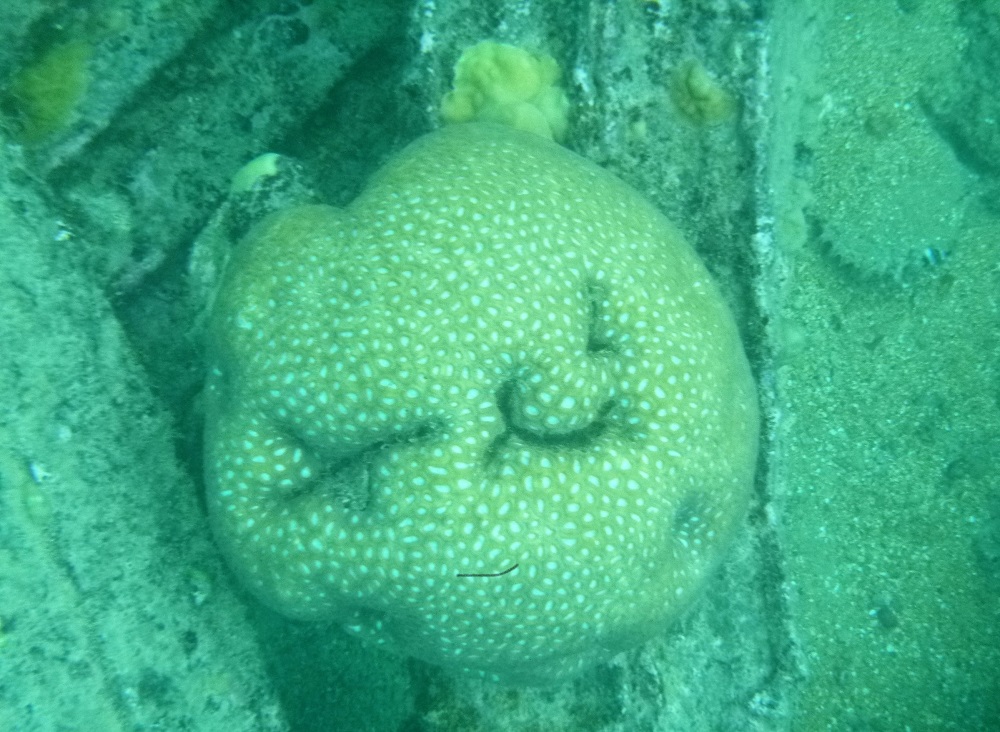
The plankton abundance gives rise to soft corals of astounding diversity; this area has the highest marine biodiversity in the world, and soft corals are not excepted. They adorn every rock, their bright colours shining like underwater mosaics, their soft shapes swaying gently in the sea. Brightly coloured feather stars lurk everywhere, their tentacular arms filter-feeding in the swift currents, bright yellow, red, stripy and black little ferns clinging to the rocks.


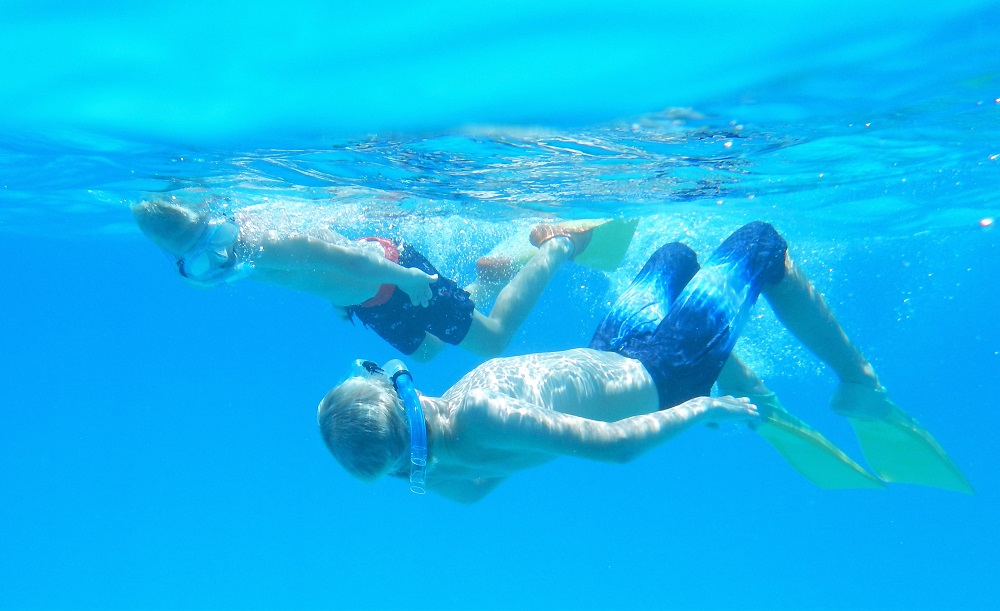
At night the plankton lit up the waters, luminous clouds mirroring the starry sky above. We did a night snorkel and when we turned off our torches in the moonless night we were gliding through a universe of tiny lights that switched on as we disturbed the water. It was not just our presence that was announced by underwater twinkle: from the boat we could see fish gliding by at night, their shapes fuzzily outlined in stars, a wake of glitter trailing behind.
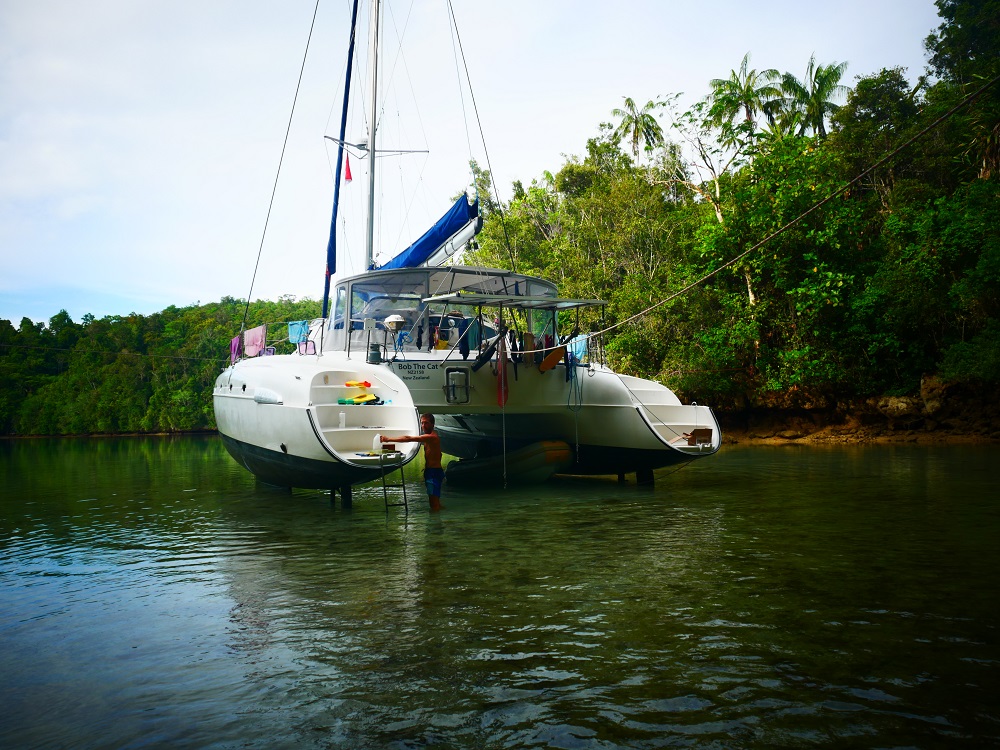
In a narrow, shallow bay we beached the Bob, tying up to branches from flimsy trees clinging to the vertical limestone cliffs at high tide. Come low tide we were perched in 10 cm of water which meant that we could exchange the spare propeller installed in Port Moresby for the new one that we got sent there. It is a relief to have the new prop installed and the spare prop safely tucked away should the starboard one fall off. With the first one falling off with no warning, we want to be safe…

In the shallows under the beached boats played out the lives of hundreds of shrimp and goby pairs. The seafloor was littered with narrow burrows from which the stalked eyes of a watchful goby appeared. If sensing no danger, the fish would advance and sit impassively a short distance from the burrow. Within the burrow the shrimp was busy fussily cleaning, and from time to time a small, the exhausted shrimp appeared pushing a great load of unwanted sand and small rocks out of the burrow. It pushed the muck out to where the goby was sitting, elbowing the still fish further out of the way before it returned back into the burrow to fetch more sand. Ignoring its obsessive-compulsive partner, the goby sat stoically on watch, observing the comings and goings of the tiny fish darting around the bay. We spent hours watching their busy lives.

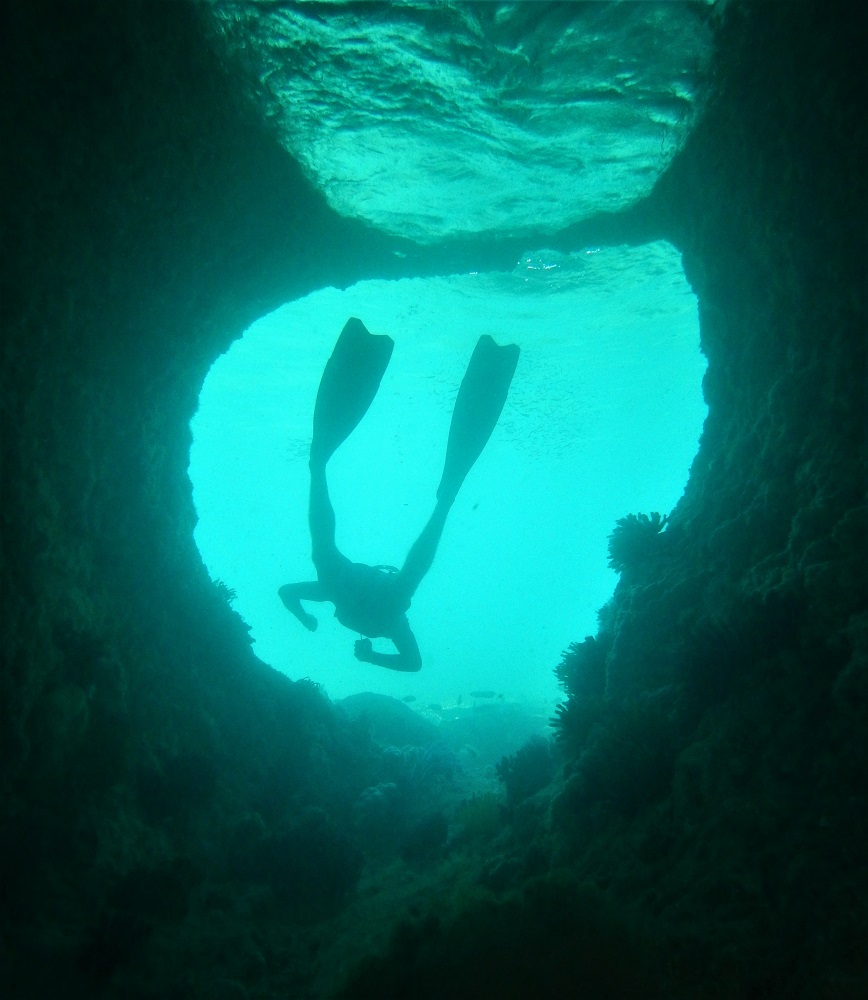
Just beyond the beached boat the low tide exposed an underwater tunnel leading into an inland saltwater filled bay. The tunnel was long and dark and the boys and I snorkelled through it rapidly, spooked by the darkness and the long, slimy tentacles that seem to reach up to grab us from the sea floor.
On land we were treated to amazing views on an arduous clifftop walk up a set of newly made stairs with 700+ steps. Surrounded by dark green jungle the never-ending staircase was immersed in bird calls, butterflies and shafts of sunlight filtering through the treetops to the forest floor.

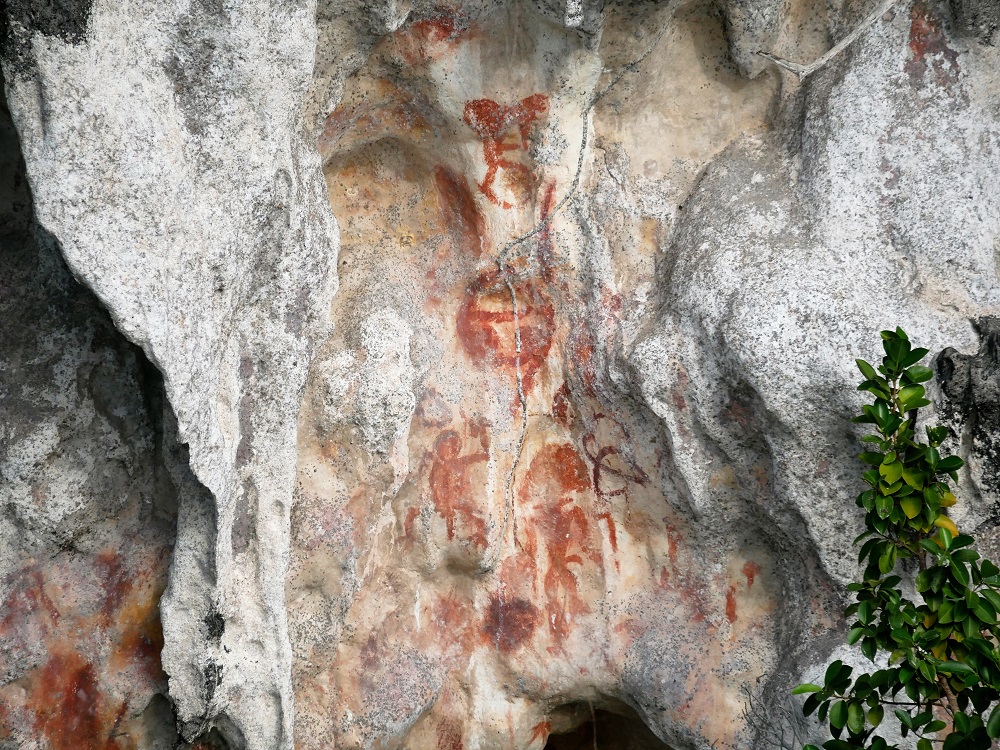
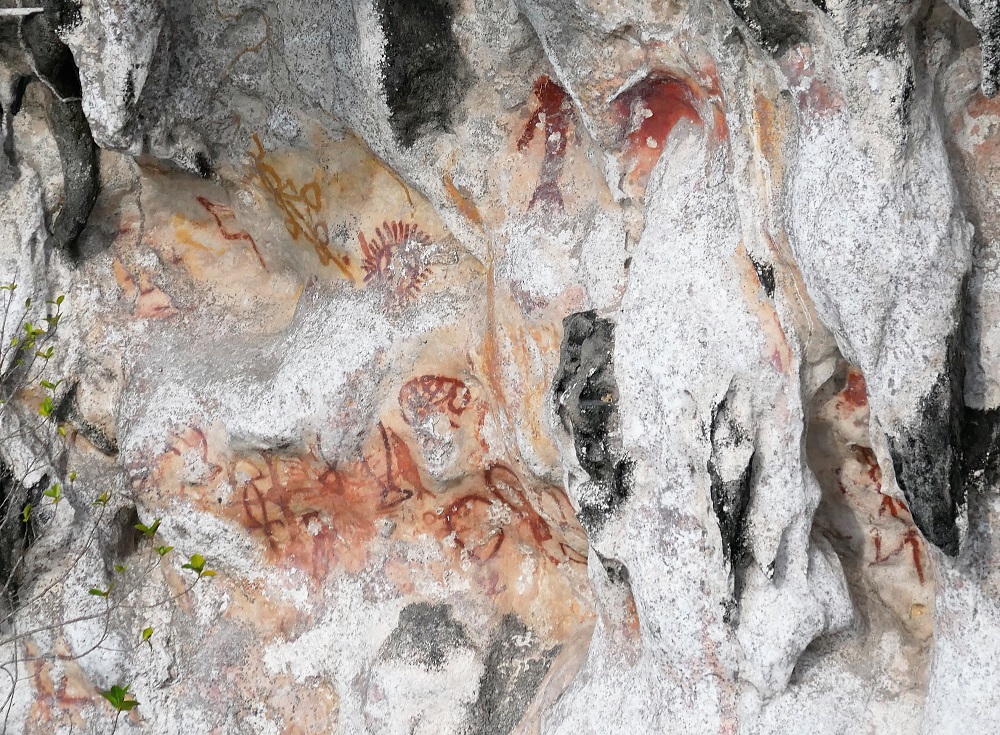
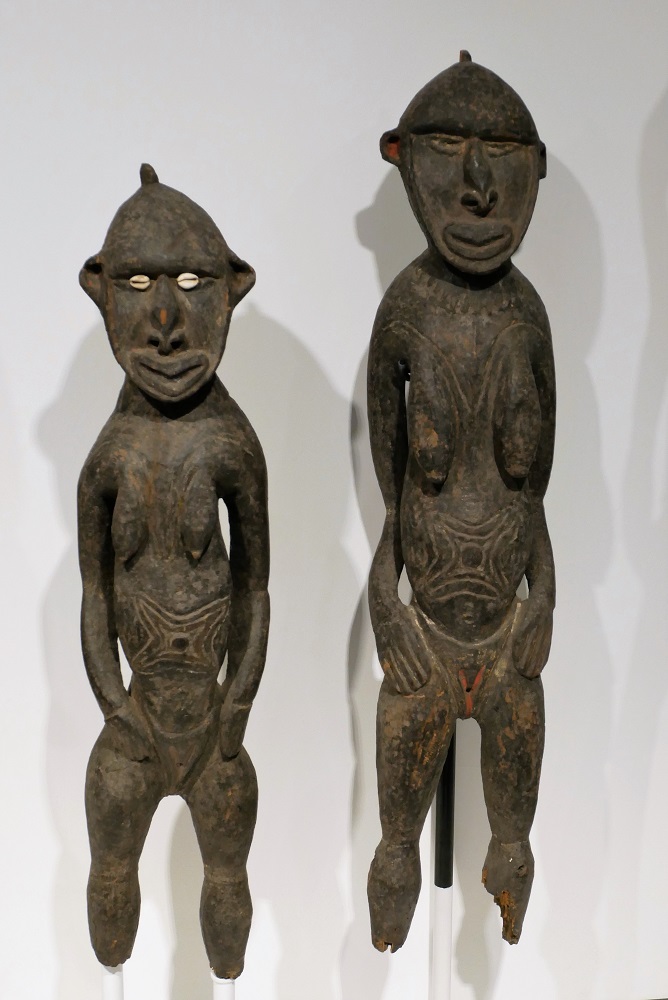
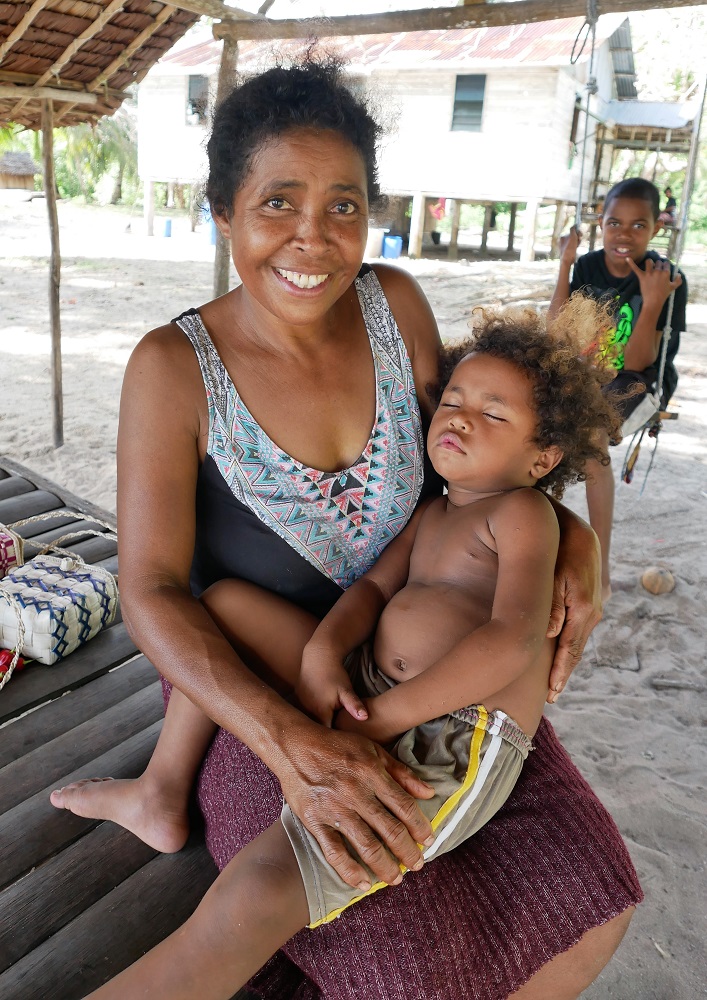
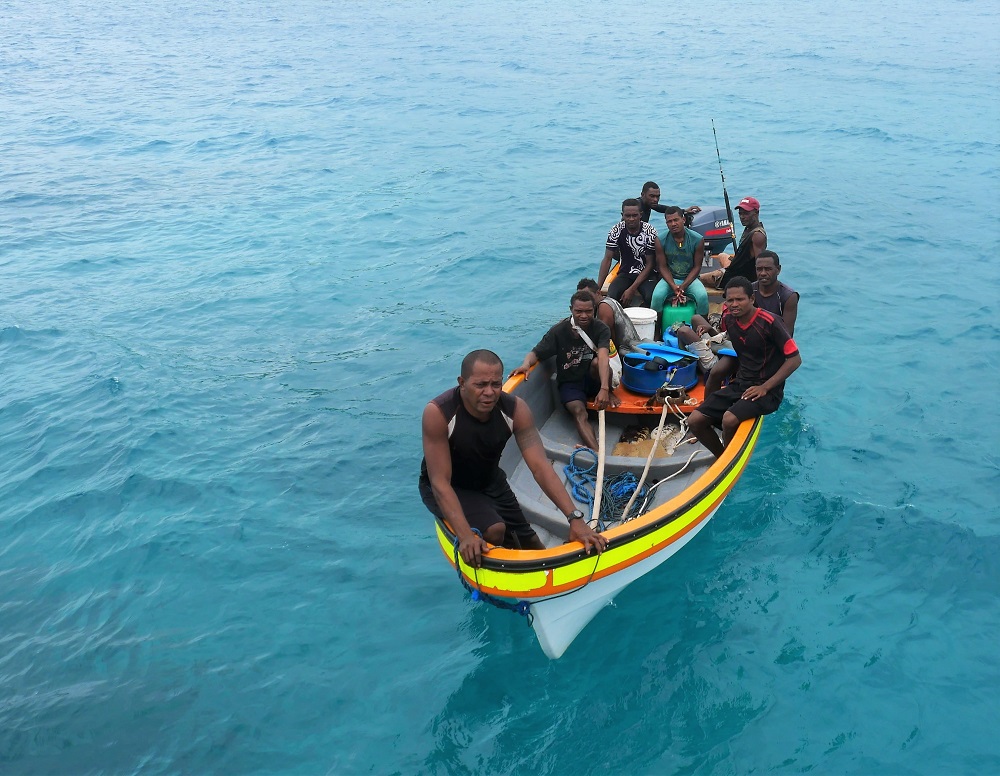
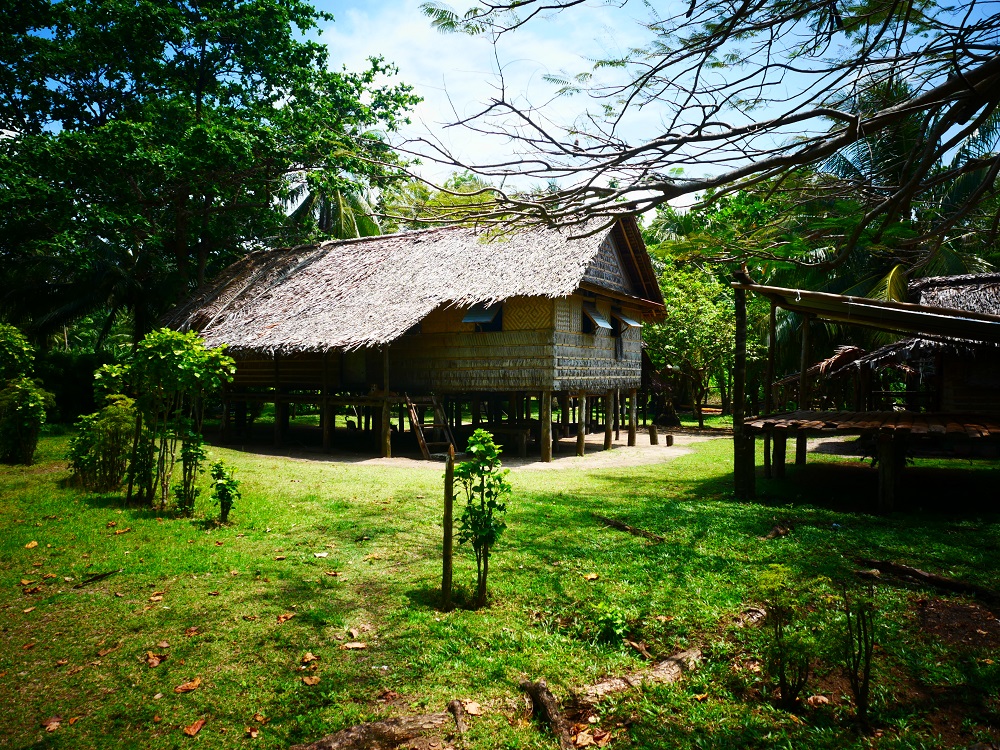
Irian Jaya has been long populated. The original people here are Papuans, Melanesians of dark skin and curly hair sporting bushy beards. Since the area became part of Indonesia Javanese settlers have arrived, and nowadays the coastal towns sport a mixture of Melanesians and Asians. Inland, the Melanesian cultures are less disturbed and several tribes remain uncontacted deep in the Irian Jayan highlands. On our way out of Triton Bay we sailed past some cliff rock-paintings that allegedly date back to the original inhabitants: ochre shaped by ancient hands into images of fish and people. Nobody knows how old the paintings are, but the locals believe them to be made by spirits.
In this magic location it is easy to see why.




















































 SV Bob The Cat