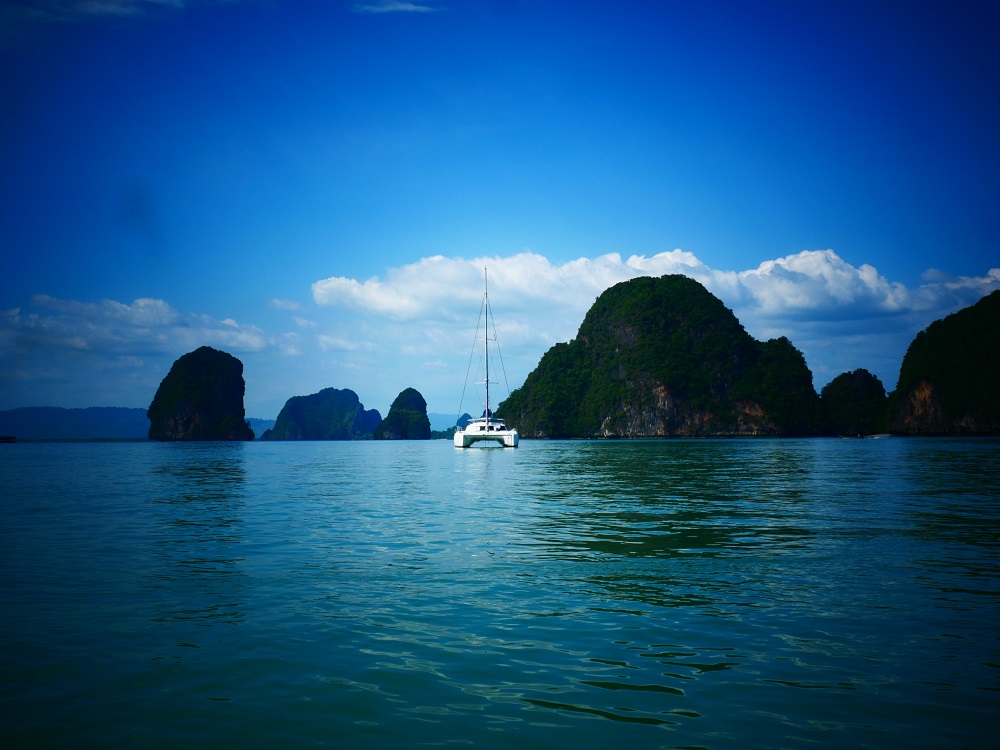
After shipping most of our belongings back to New Zealand, we buddied up with our good friends on SV So What for some Christmas-time adventures. Having shed about 300 kg worth of stuff in the shipping process, the boat was light and giddy, bounding over the wavelets, its lightness matching our buoyant mood. We had about ten days to explore the area north and east of Phuket before we needed to head back to Malaysia to demobilise the boat early in the new year.
The Phang Nga Bay north of Phuket is stunning, a place full of amazing vistas and wonderful caves: a suitable spectacular cruising ground for our last trip on Bob the Cat. With our friends we glided across the green sea, two shiny white catamarans sharply offset against a Paradise backdrop, four happy kids swinging on the ropes at the bows. It is a scenic area, and every place we visited looked like something out of a brochure.

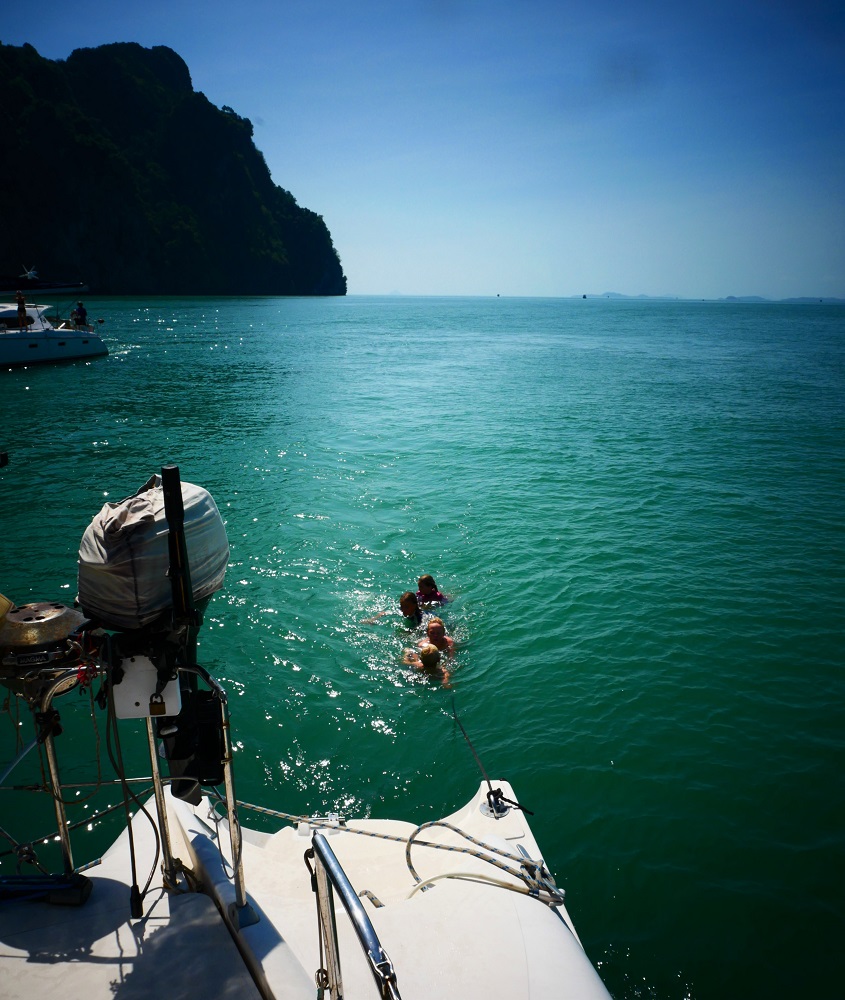
In Phang Nga Bay, hundreds of stunning karst pinnacles rise steeply from opaque fertile water, lush jungle bush clinging to vertical cliffs leaving only bare the occasional nude rock face blushing in a convoluted pattern of orange and yellow rock. Sea eagles soared overhead in the daytime and at dusk, the skies were darkened by thousands of bats emanating from the hundreds of limestone caves hidden in the porous rock.
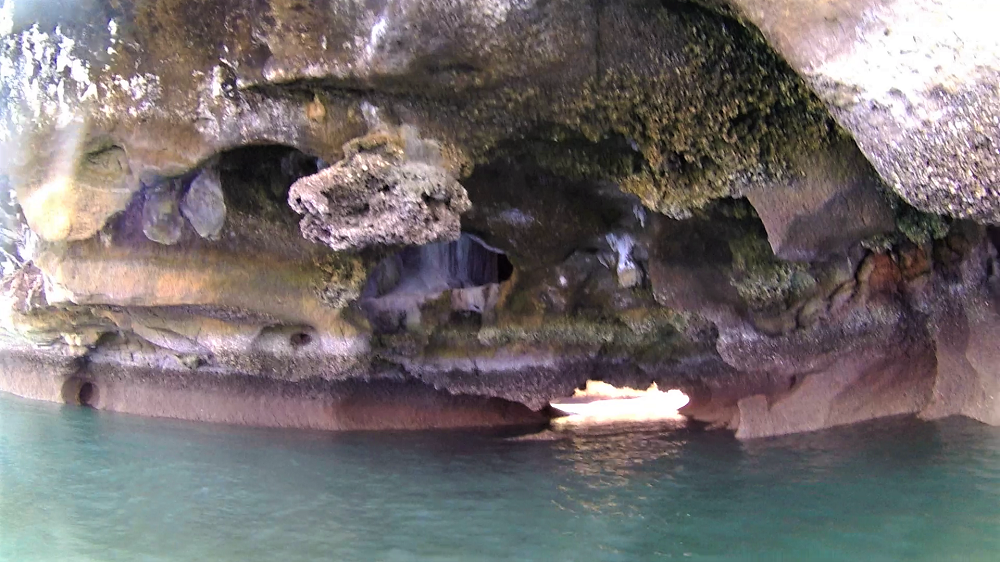
Many of the caves are accessible to kayakers and the area is famous for its hongs, hidden sinkholes within the rugged limestone cliffs that are open to the air and can only be reached via dark sea tunnels. The hongs are only accessible at certain stages of the tide – at high tide the tunnels are drowned, and at low tide the water too shallow for a kayak – but they are well worth the visit. The caves leading to the interior are sometimes short and straight and sometimes long, winding and full of incredible formations – pillars, shelves, jagged edges and crystal ceilings. Once inside the hongs, visitors are rewarded with steep cliff-faces leading up and up to a blue sky enclosing a peaceful haven filled with wildlife – the loud humming of cicadas, mudskippers jumping across the slimy mud and macaque monkeys digging the gravelly banks for hidden shellfish.
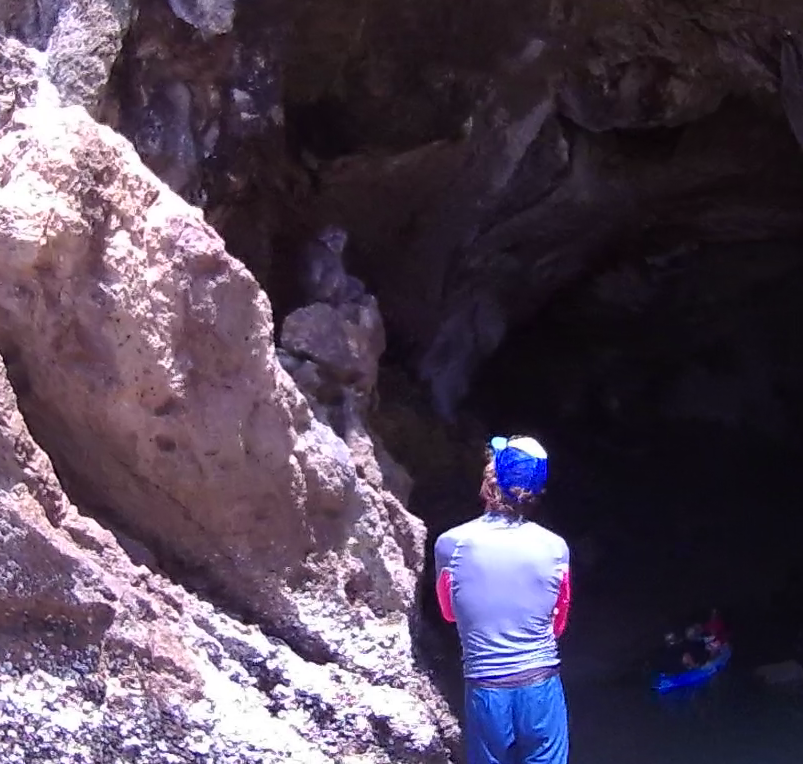

Hong means ‘room’ in Thai, alluding to the peace and quiet of these hard-to-reach places. Only, it wasn’t actually that peaceful, not with our kids. They explored the rugged coastline in the kayak, oars splashing, high voices squealing with delight as they paddled their way through the total darkness of the long tunnels to reach a hidden hong, their voices echoing in the dense blackness, jumping off the curvy bends. Once inside, they shouted and yelled as they slid on the muddy banks and attacked each other with mud balls, only stopping when they were unrecognisably grey, congealed mud covering them from top to toe.

It wasn’t just us disturbing the peace. Few of the small islands are inhabited, but thousands of day trippers visit from Phuket and it was by far the busiest place we have ever visited with the boat. Outside the entrances to the hongs tour boats hung on moorings, waiting impatiently until the tide was right for them to disgorge hundreds of kayaks, each bearing a paddling guide and one to two tourists. The endless stream of people did somewhat ruin the peace of the hongs, the serenity of these natural wonders broken by the brightly coloured kayaks filling the landscape. In one hong we were trapped by a flood of tourists, their incoming kayaks filling up the narrow entrance tunnel, a scatter of oncoming headtorches paralysing us at the exit, where we hung suspended until the last of fifty-two kayaks had passed through.
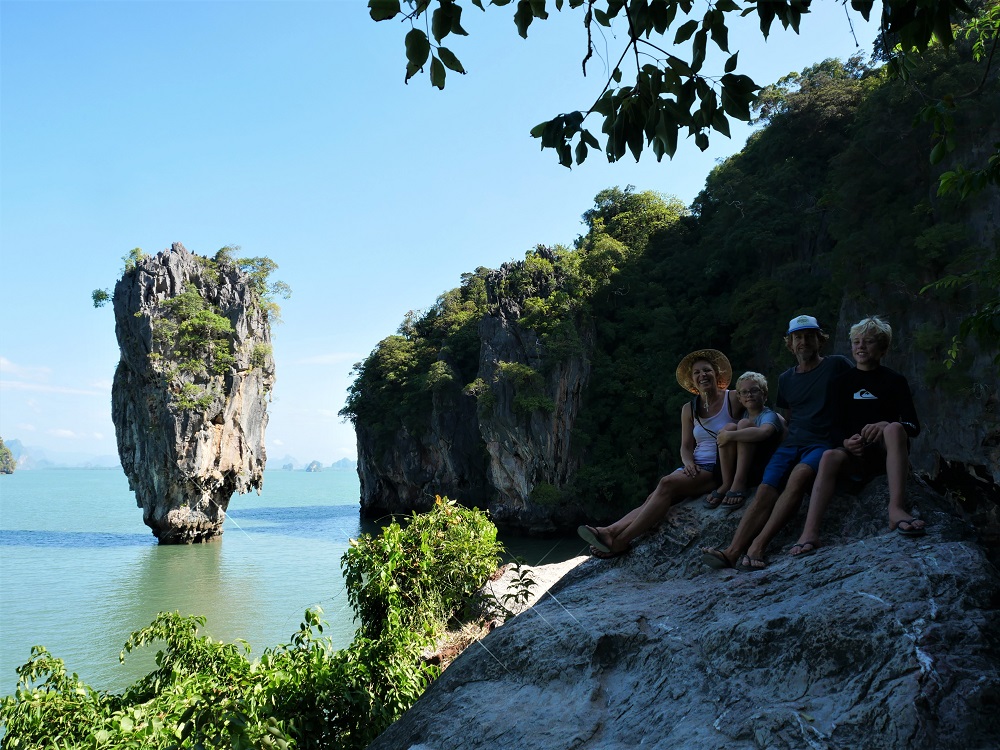
After so long in remote areas where we were the only westerners, it was fun to play tourists. We visited the picturesque Koh Ta Pu, known as James Bond Island because the island featured in the 1974 Roger Moore classic ‘The Man With The Golden Gun’. It is pretty: stark cliffs rising, beach on the outside, jungle on the inside, cave walk-throughs and precipitous overhangs bordering the sea. It is also very popular, a steady stream of longtails visiting throughout the day, a thousand people following one another along narrow paths, hundreds of go-pros on sticks capturing bikini-clad beauties posing in the light breeze, pouting this way and that, oblivious to the queues of people waiting to be next for the scenic photo spots.
For Christmas, we went to a beautiful set of small islands east of Phuket where the kids continued their kayak exploration, visiting white sand beaches full of long-tails and European tourists. The boats were rocked every minute by a passing tour boat but the beaches were pretty and the company good and we had a great couple of days feasting.

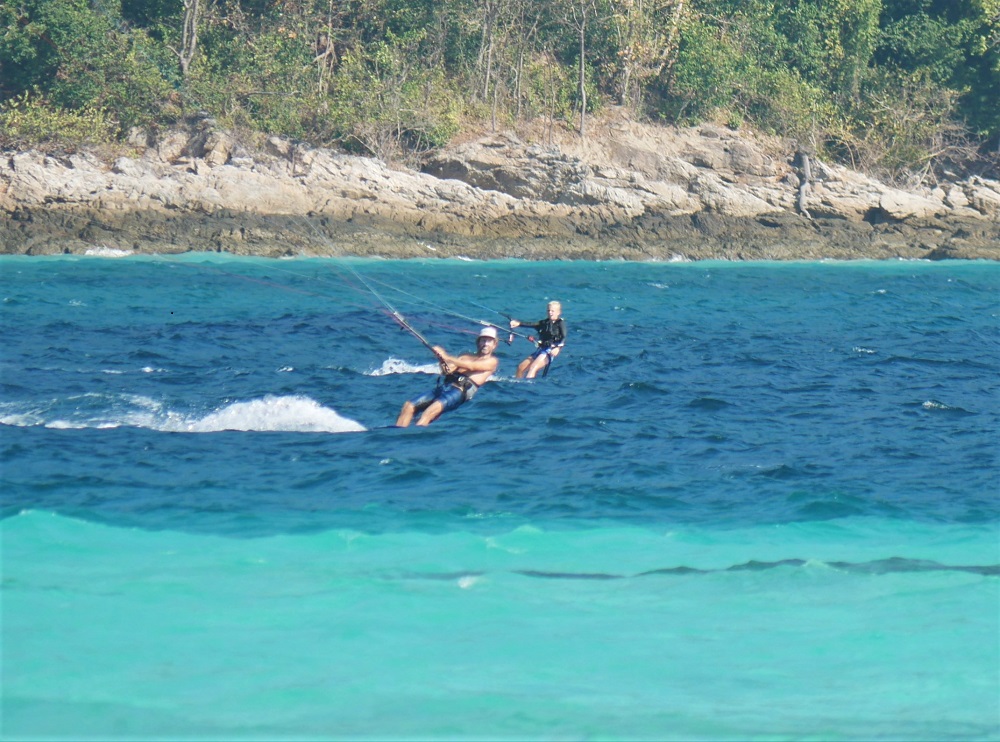
And then, a couple of days after Christmas, the winds came up, and we returned to Phuket to kite surf, spending a few days there before making our way south, kiting on the way.


In the afternoon of 3 January we approached Rebak Marina in Malaysia, and as the rugged hillsides of Langkawi Island came into view I thought about the upcoming changes to our life. Moving onto land after a year and 9 months living on a boat. Leaving the tropics behind and moving to temperate regions. Starting school and work again. Seeing friends and having family come visit. Reuniting with the real Bob the cat.
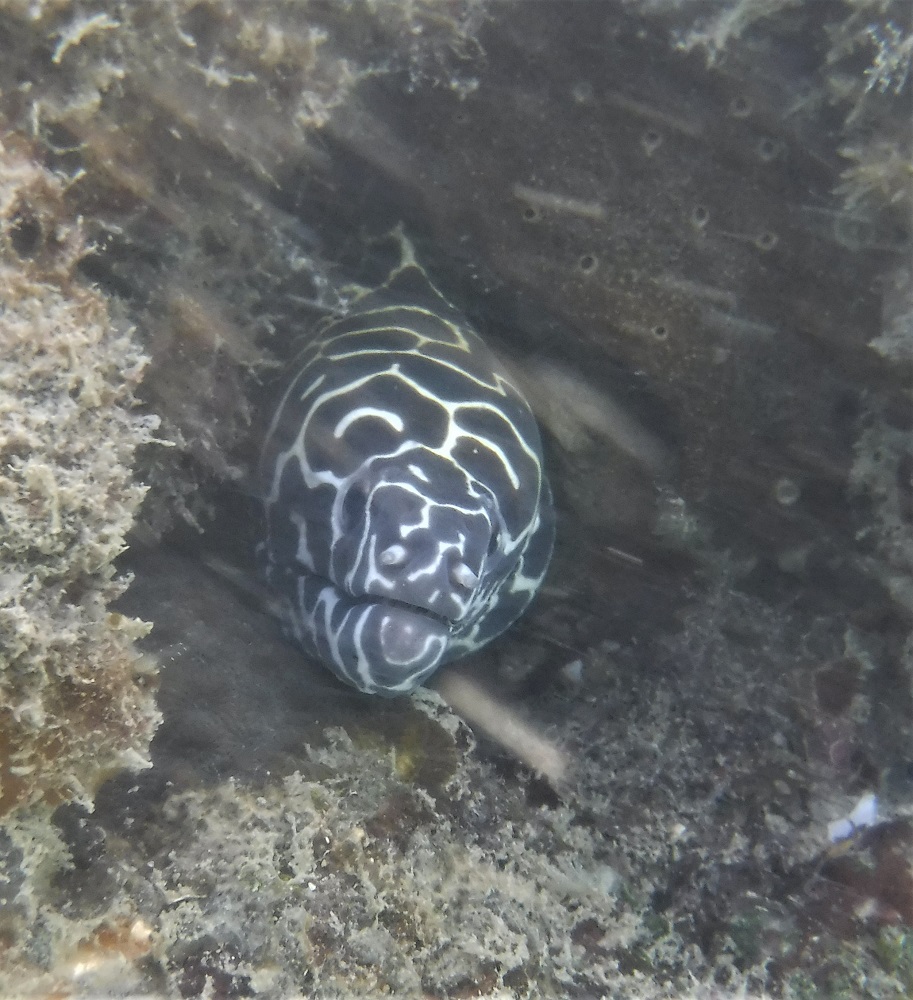
I thought about what I will miss when living on land. Things like endless sunrises, endless free time, endless family times. Incredible marine life. The friends we have made on the trip. Adventure, the sense that we are exploring the world, the kids and us learning about places and people, ready to go see a new place just around the corner.

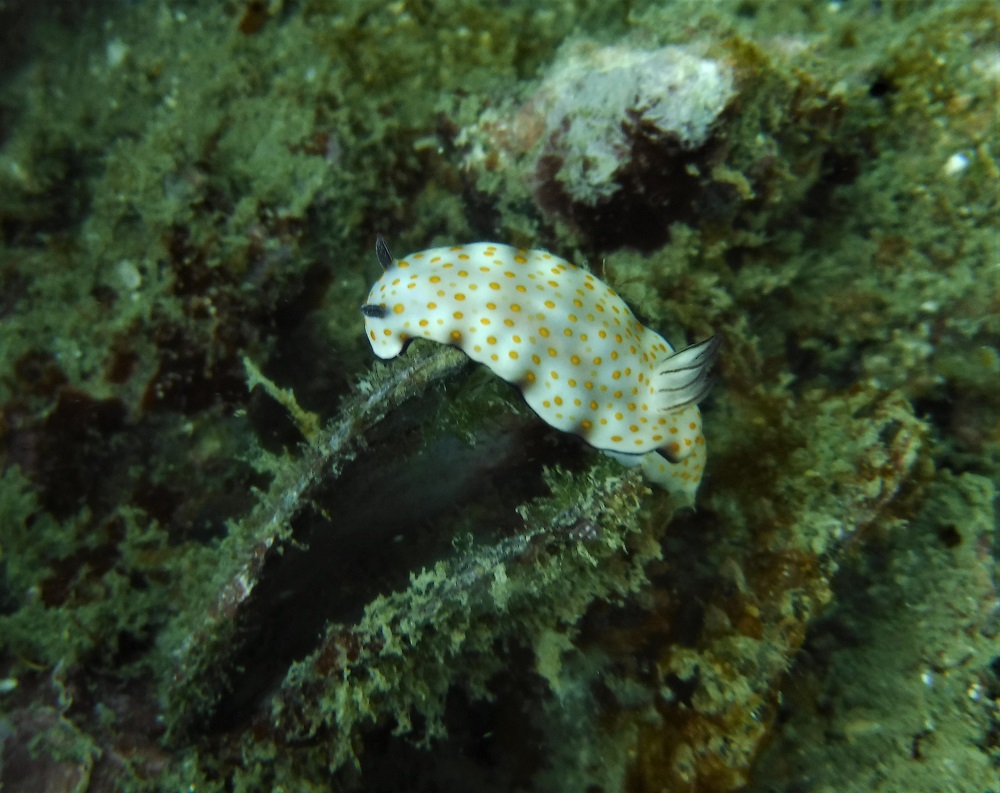
But like with so much, perhaps it’s about contrasts. We value the boat trip because it differs from our life at home, and our home because it contrasts with the boat. At home there is plenty to look forward to. Things like reuniting with our friends. Living in our lovely home which always feels like a haven. Being surprised by the sensational yellow kowhai tree bloom in September and the deep purple reds of the pohutekawa trees in December. Working and feeling useful to society (on the boat that need is taken up with homeschooling, which doesn’t always feel very success- or useful). Ready access to the benefits of modern society: school for the kids (Yay! Let their education be someone else’s problem!), hospitals, doctors, dentists. And the shallow, materialistic things (largely mine): our large kitchen, full of appliances, all the modern conveniences that make living easier which we haven’t had on the boat.
The contrasts help us to not take anything for granted, to appreciate what we have every moment, I thought as we edged our way into the entrance channel of the marina. Hopefully the thought of good changes to come will help us deal with the stressful demobilisation of the boat – seventeen days of cleaning and prepping in a hot marina can test anyone’s patience…

 SV Bob The Cat