
“Lukie, on your high school application you can always put: ‘Can fry eggs’,” Matias says.
Lukie looks at him scornfully. “Matias, not just fry eggs,” he says. “Fry eggs well. Fry eggs perfectly.”
I smile. “It’s a good skill,” I contribute. “The perfectly fried egg. Not easy.”
Lukie nod eagerly. “Mummy, if you think about it, I’ve actually learned a lot on the boat,” he says. “When we started the trip, I couldn’t even break an egg without spilling it everywhere. And now I can break them no problem. And I can fry them any way you like – sunny side up, turned over…” He looks proud.
“It’s a good skill for sure,” I say again.
We’re in a marina in Phuket, packing up our belongings to ship to New Zealand. The kids are talking about school applications because Matias has been looking into the different high school options that await him when he gets back. And because some of the potential schools require a resume, he’s been considering what he might put in his. And, one thing leading to another, the kids are now busy composing Lukie’s resume even though none is needed.
It is a popular topic at the moment, kids’ achievements. As school in New Zealand finished for the summer, last week’s Facebook was full of pictures of kids at awards ceremonies clutching certificates and laden down with medals, attesting to their prowess in writing, maths, sports, attitude, anything that you can put a certificate to.
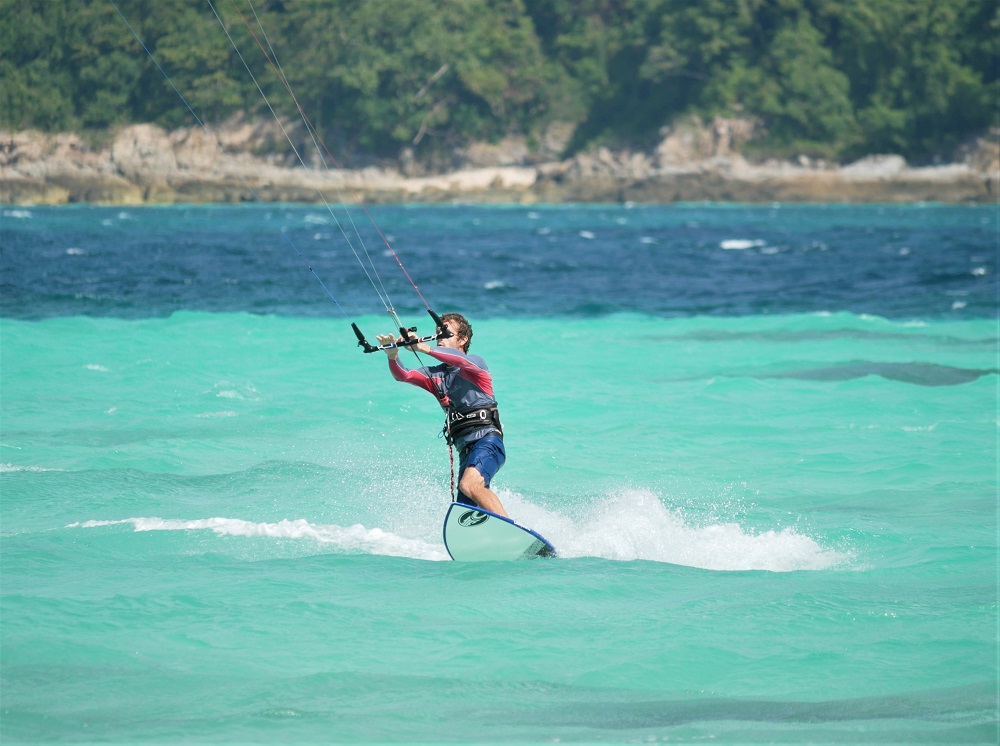
“You can put down that you can skateboard. And that you are a good kite surfer, Lukie,” Matias says.
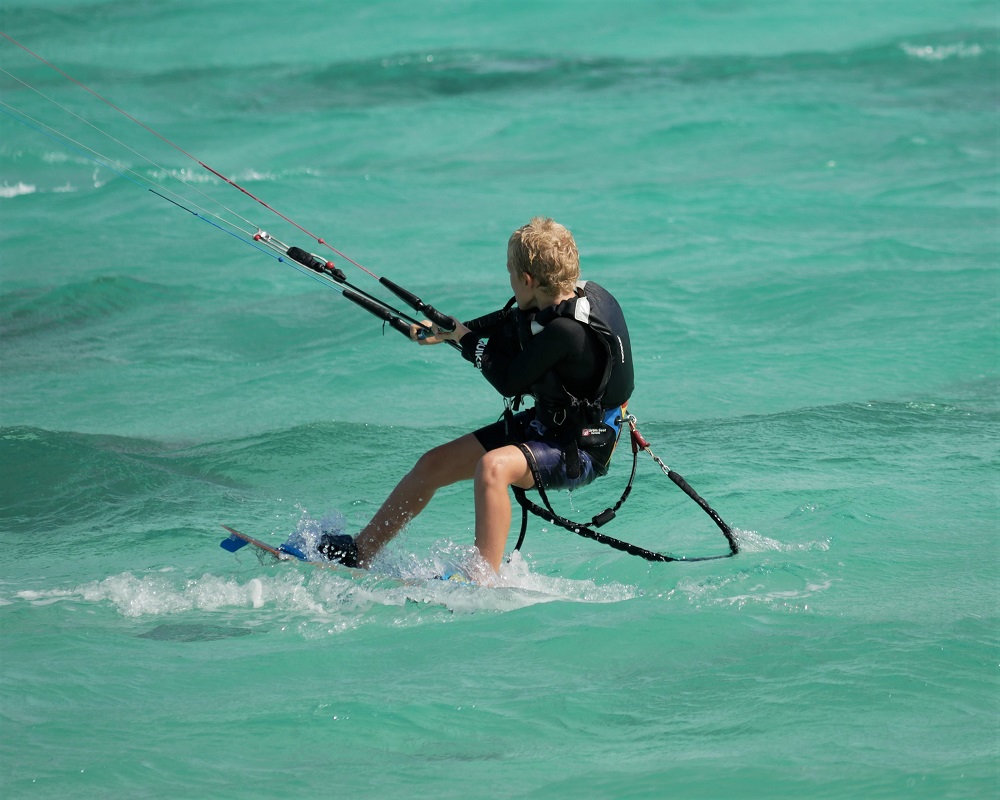
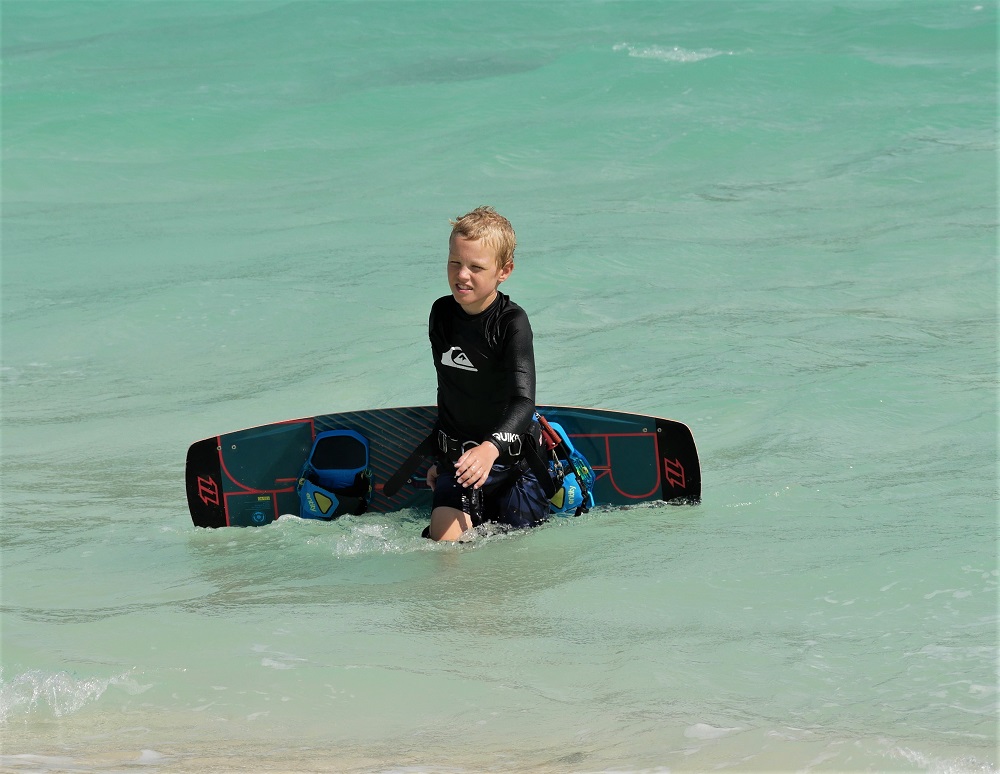
That is true. Lukie has become a proficient kite surfer on the trip, although I’m not sure any school will look favourably at how frequently lately his kiting progress has been at the expense of schooling. On this latest trip to Thailand the windless tropics have been surprisingly windy and as the wind seemed strongest in the morning, we spent weeks choosing to get out and enjoy the elements rather than schooling first up. And once back at the boat after a couple of hours of kiting, everyone is too tired to do more than perfunctory school, if any at all.

But that’s OK. Christmas is nearing, our trip is nearly at an end, and the kids have learned enough academics to take them safely through starting school again back home. And aside from school this sailing trip has taught us so much that will stay with us forever.
There is Lukie’s egg frying, which of course is a big one, and the source of much pride. But apart from that, in terms of food, we have learned a lot. Subtle skills like how to get fresh eggs in Indonesia, how to grow water spinach for months onboard, 100 tasty ways with tuna floss, and when to order a nam prik. Overall, however, the biggest learning curve for all of us have been to get by with the ingredients at hand in places where everything is different to at home. It has been fun to see the kids haggle for unfamiliar produce in foreign currencies, to watch them fill their plates with exotic lunch dishes from a street-side vendor’s display, to hear them discuss their favourite local dishes. The trip has definitely expanded their palates, and now they savour ingredients that would never have passed their lips at home: the searing heat of chilli flakes on a pad Thai, the succulent burst of eggplant in a green curry, the nutty graininess and sharp tang of fried tempeh drizzled with dried fish crumbs.
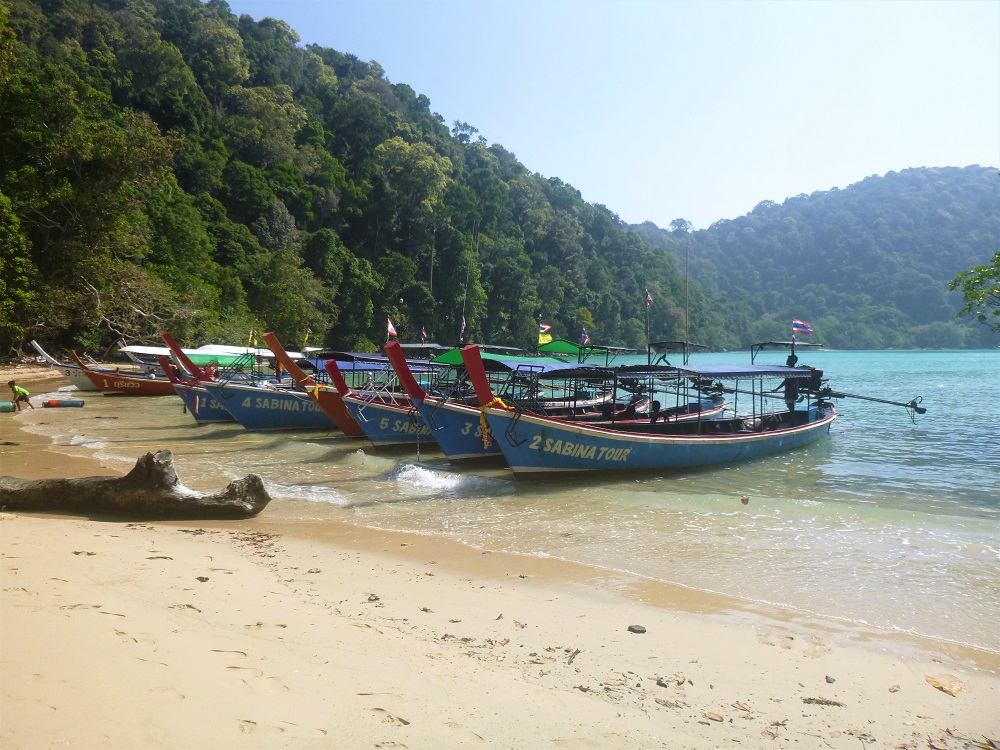
Perhaps the widening of our culinary appreciation is all about culture. The trip has brought us into close contact with a string of different cultures, which has taught us about tolerance and the diversity of human beings. Spending more than half the trip in Muslim countries, and now cruising around Buddhist Thailand, has given us a deeper understanding of religions other than Christianity and has provided the focus for a lot of school learning about religion and history. Spending so much time amongst subsistence fishing communities has allowed us to experience first-hand the incredible friendliness and generosity of people who have very little. We’ve seen the impacts of extreme overfishing, and, seeing the world from the perspective of fisherfolk, are acutely aware of how little other choice these communities have than to continue to extract miniscule fish from dying reefs. We’ve witnessed the scale of the oceanic plastic pollution and have felt keenly the need for more education of locals in Indonesia around the topic (to our relief, the problem is much less severe as we move north, and here in touristy Thailand the beaches are kept clean by a suite of staff with rakes).
We’ve visited outlaw Papua New Guinea, witnessed an election disrupted by fundamentalist Islamic riots in Indonesia, and are now in Thailand which is a military dictatorship heaving from widespread corruption.
The common denominator in these places is often how little choice so many of the world’s poor have – how few their opportunities, how limited their influence on politics, how inevitable the roll of progress that often changes their culture and environment for the worse.

The other boating families we have met have also taught us about diversity – families from all over the world meeting up on the world’s oceans. Where the rural New Zealand school that the kids go to at home distinctly lacks diversity, out here on the ocean they meet kids from all over the world. You would have thought that mixing with kids from many different cultures would lead to conflict but there are fewer here than at home – what unites boat kids is the friendliness they display towards any children they meet. I guess it comes from actively trying to get on rather than trying to get ahead of someone in a local pecking order – a subtle but important difference to the school community back home. But regardless of the reasons, it has been amazing to have our kids greeted by so many great and friendly kids – an insight into how the world of children could be, how it should be.

Tolerance has also been needed within the family – it is a big change to go from two adults working with kids at school to suddenly spending 24/7 together in a small space, often with challenging conditions like sailing, weather, having to get on in foreign countries, and lately, having to pack up a boat. Not that we don’t argue (I think all boat families do) but we have learned to make up again, to be together and get on even when we’re all sleep deprived and the external pressures are on. Perhaps one of the biggest gifts from the trip is how well we now know each other as a family.
This constant togetherness is without a doubt the hardest bit of living on a boat, but it has also been the biggest joy of the trip. Having so much time to share with the children is amazing, and we’re now so used to being time rich that we take it for granted. Time spent with each other, often not doing much. At home, because of work, time is always short, the lists of things to be done always long, and it has been amazing to have a break from feeling time poor. And it’s been a real privilege to spend so much time with the children, to share their space for an extended period of time.
One of Matias’s most common complaints back home was ‘there is never enough time,’ and I hope that providing space and time for him has enriched his life and given him more resilience for the pressures of teenage life and adulthood that await. Our kids have always thrived on having space, their inventiveness and fantasy games making up for the limited scheduled external input that comes with boat life. It has been interesting to watch them grow, seeing how they make worlds of make-believe from almost nothing, worlds within which games will centre for weeks at a time.
And for us as a family, it has been fantastic to have the space to savour the moments that make up life, to have time for lingering, for rambling conversations, for cooking together, playing games, meandering in foreign towns and along unfamiliar terrain, exploring together. A real privilege to be in a position to never say no to a request for attention from our kids.
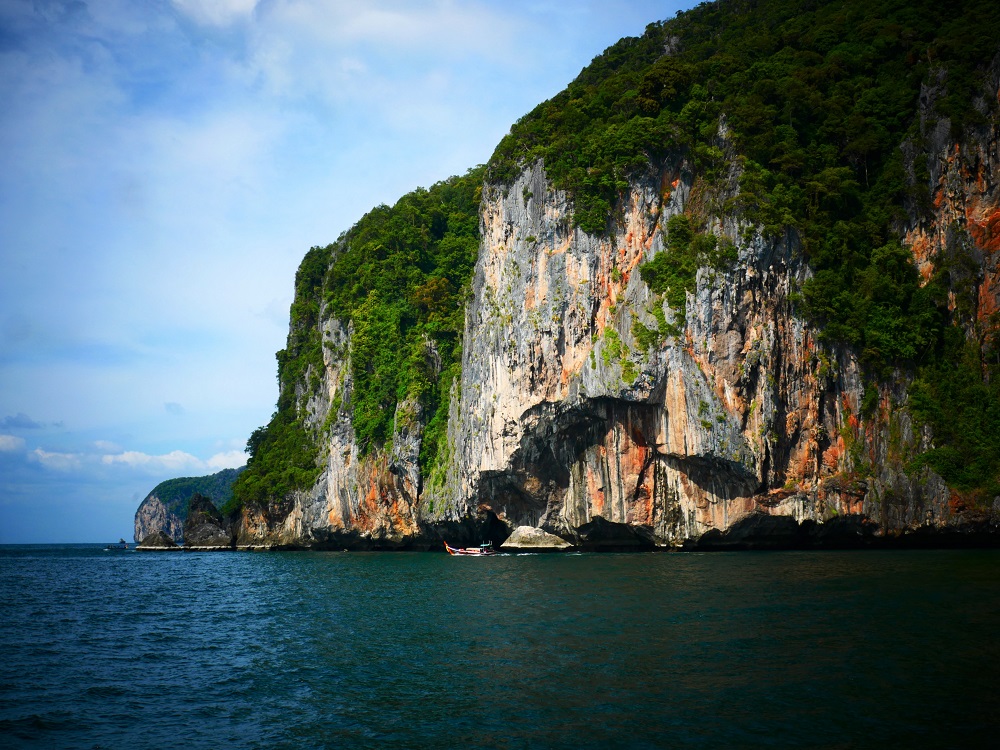
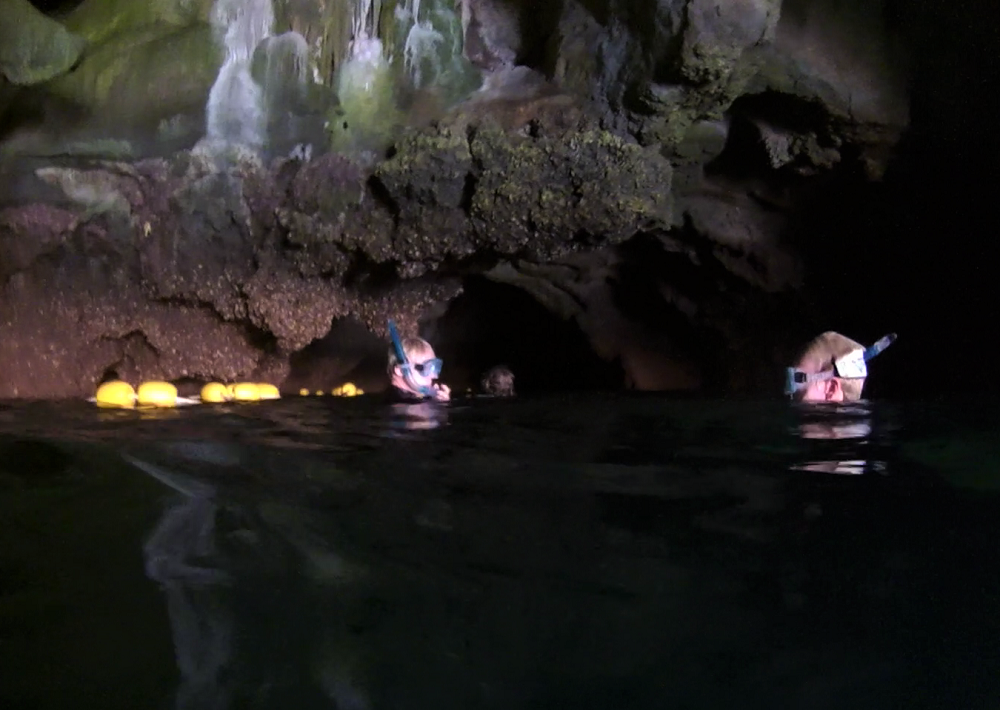
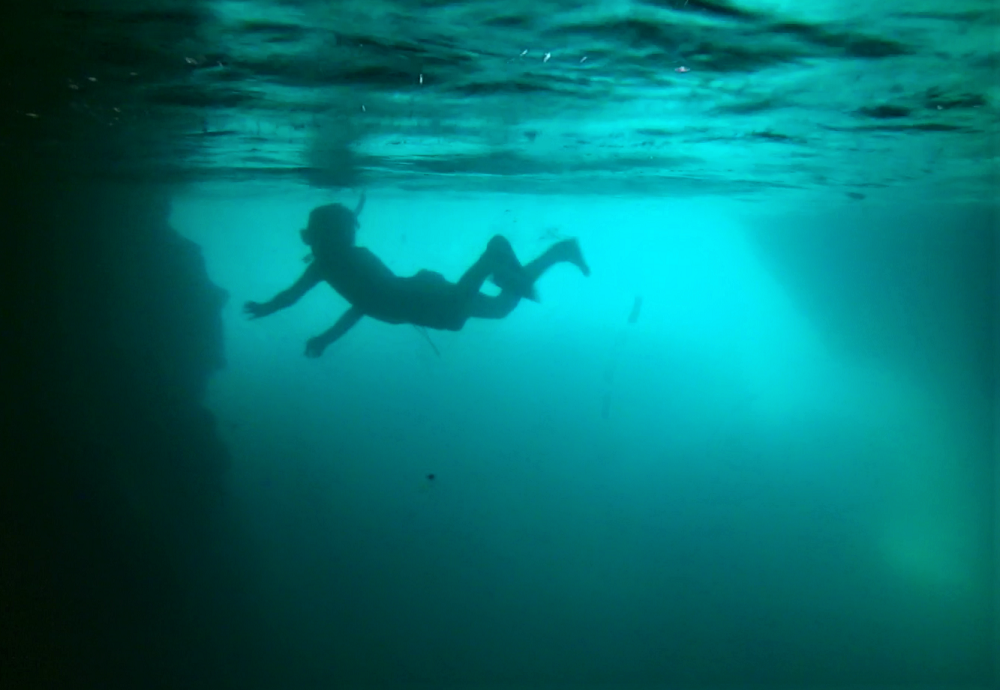
Not that we are lingering at the moment. As the end of the trip is drawing nigh, we have been trying to cram in as much as possible, exploring all that Thailand has to offer. It is an amazing country and a great cruising destination, with hundreds of charter boats gracing the waters near Phuket. We have been kite surfing and swimming, seeing caves and beaches and jungles, snorkelled and done our last bit of tropical diving. And over the last two days we’ve been in this marina in Phuket, busy packing up the bulk of our belongings, which we’ll ship from here today.

After shipping our boxes we will head out to celebrate Christmas and New Year and see some more of Thailand’s beautiful islands.
As I stand and survey the neatly packed boxes, Lukie comes to me and tugs my arm. “Mummy,” he says, “what are we having for dinner?”
“Mie goreng,” I say.
“With egg?” His little face lights up.
I nod.
“I can fry them!”

 SV Bob The Cat