
The end of May marked the six-month anniversary of our arrival in Indonesia, which means that our visas were running out: to remain legal and avoid paying astronomical overstayer fees we had to leave the country. However, given that we were on a slow sailing boat and approximately in the middle of the large Indonesian archipelago, we couldn’t easily sail out, plus if we did, we would miss seeing the other half of the country. We had to find a way to leave and come back in, applying for a new visa on arrival.
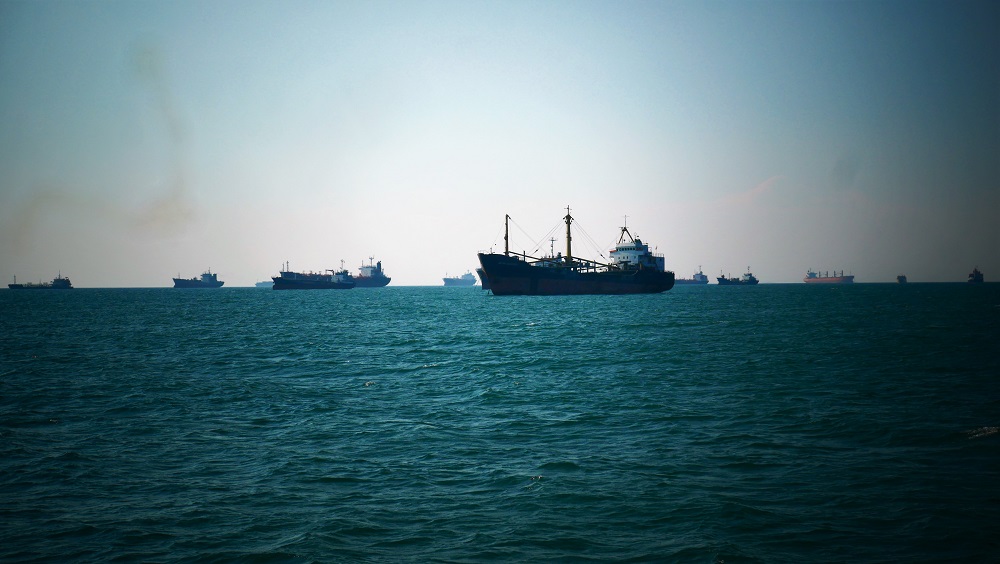
So after kitesurfing in Jeneponto, we headed for the City of Makassar, the capital of Sulawesi, where there’s an international airport from which we could fly cheaply to Kuala Lumpur, Malaysia, return.
Whilst Indonesia is relatively safe, leaving our boat unattended for two days is asking for trouble, and so we flew out in two shifts: David first with a friend from a boat in a similar predicament, me and the kids once they got back.
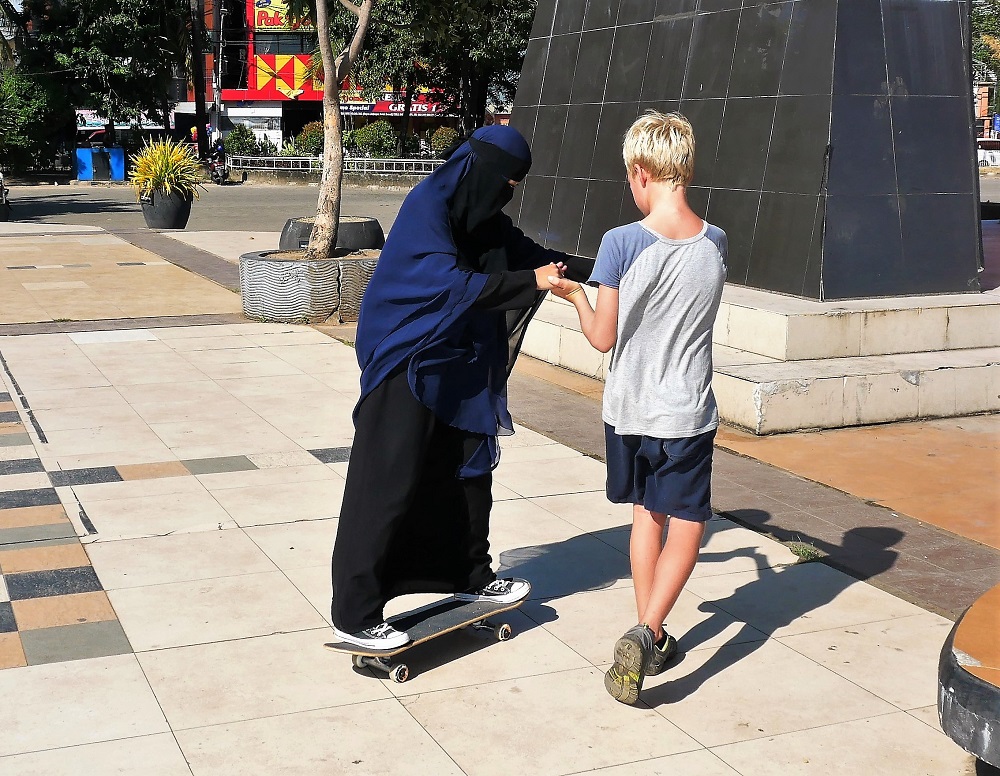
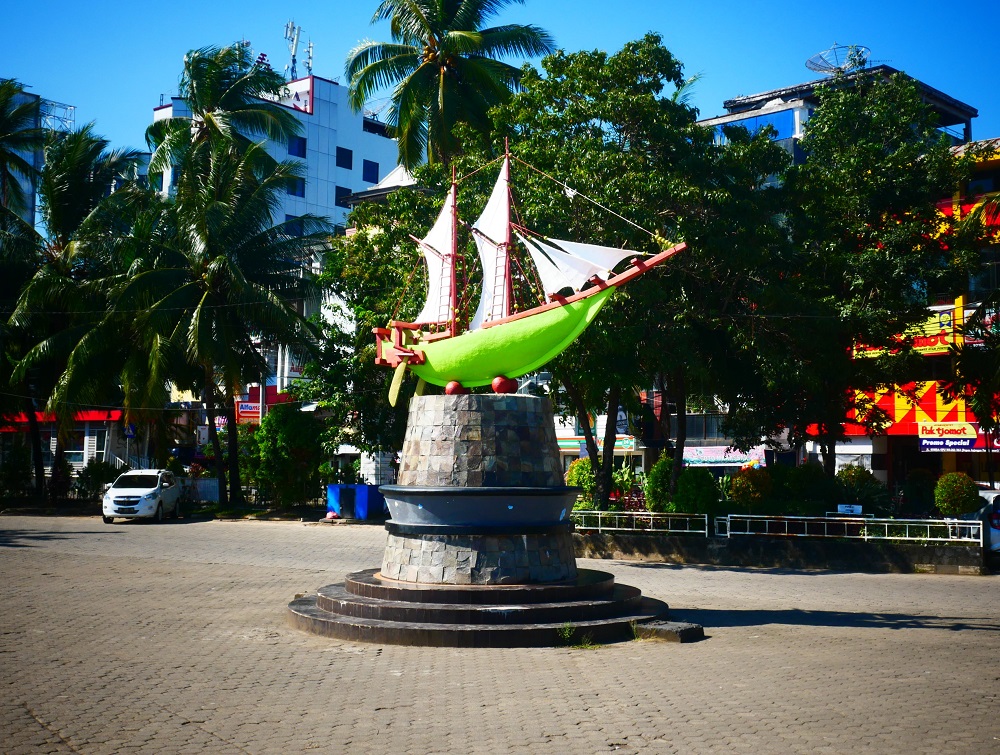
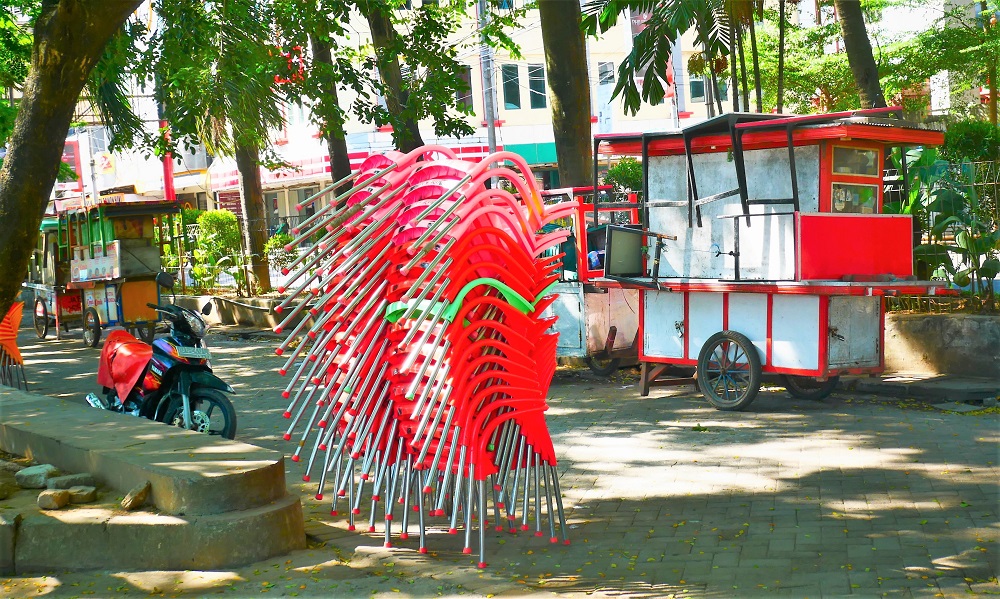
We tend to dread large Indonesian cities – they are often incredibly dirty and as most of the rubbish around here end up in the ocean, the anchorages are often pretty disgusting. But Makassar was a pleasant surprise – a large (1.5 million) city with a charming waterfront, broad streets shaded by beautiful old leafy trees, kept clean by a tireless crew of street sweepers who were busy morning till night. It is very Muslim and although it didn’t come to a complete standstill, everything moved quite slow because of Ramadan. During the long daylight hours, taxi drivers slept hunched over the steering wheel, their cars parked in shady spots under large trees. In roadside shops, assistants sat idle behind busy fans, eyes half closed as they endured yet another day of unbearable hunger and thirst. The numerous mosques were blaring the call to prayer five times a day plus delivering what sounded like full sermons in between. Everyone we met was tired, hungry, and distracted, counting the minutes of the long daylight hours, living for the evenings where, after the sunset prayer, the waterfront streets came alive with hundreds of food stalls and delicious smells signalling an end to fasting, drawing crowds of thousands to the streets for celebration and socialising.

In the airconditioned shopping malls, food was available in select eateries which were closed off behind heavy curtains, shielding the few cheaters who ate during daylight hours from the true believers. We sat uneasily, eating in secrecy, going to the toilets to sip from a hidden water bottle, not even daring to chew a mint in the taxi lest we tempted the driver.

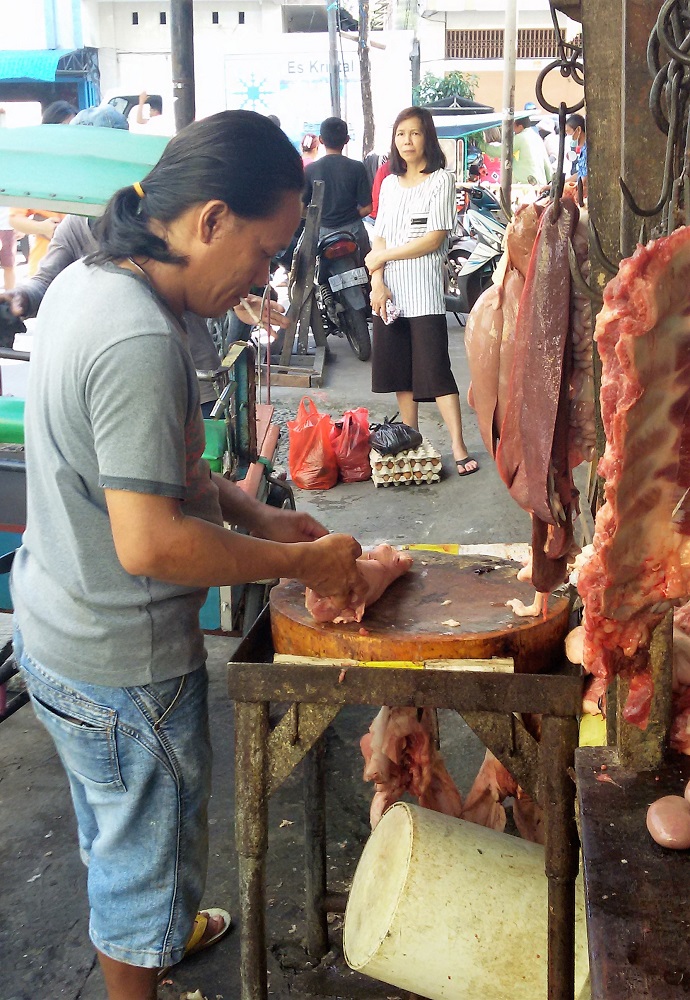
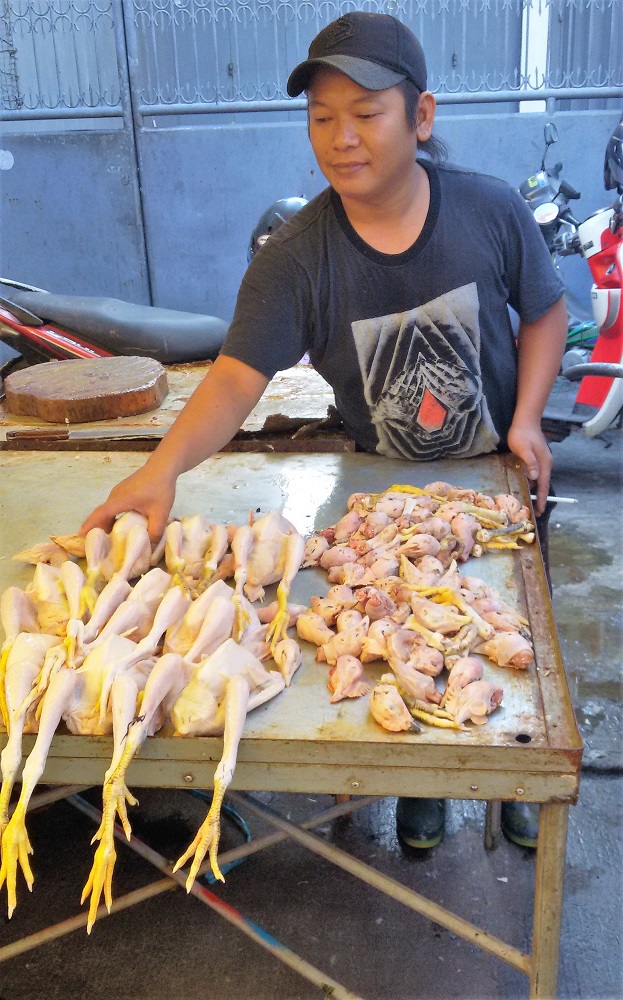
We ended up shopping in the narrow streets of Chinatown, where well-fed Chinese locals did not observe Ramadan, instead happily chopping up pork, deep-frying dumplings and presenting today’s catch of frog legs along with hundred-year-old-eggs and other delicacies.
It was the week when the results from the recent general election were officially announced, and the losing candidate, Prabowo Subianto, was alleging election fraud and his supporters in the conservative Muslim 212 Movement threatening riots. The winner, incumbent moderate Joko Widodo, promised swift and merciless police response to any election-related violence, and police were on the ready in every larger Indonesian city. Makassar is pretty fundamentalist Muslim and one of Prabowo’s strongholds, and as a result everyone in town expected trouble. Shopkeepers closed up on the day of the announcement and most people we met intended to stay indoors after midday when any demonstrations would start. Unwilling to face a mob of hangry Muslim fundamentalists, we limited our excursions to a quick round of errands in the morning and otherwise hid out on the boat, watching the news of street riots in Jakarta that ended up killing eight people and injuring more than 700 as demonstrators hurled Molotov cocktails at security forces and set fire to cars parked at the national police headquarters. Makassar remained peaceful and we were grateful that we are not in Jakarta, where police later identified ISIS-linked Islamic fundamentalists amongst the protesters arrested.
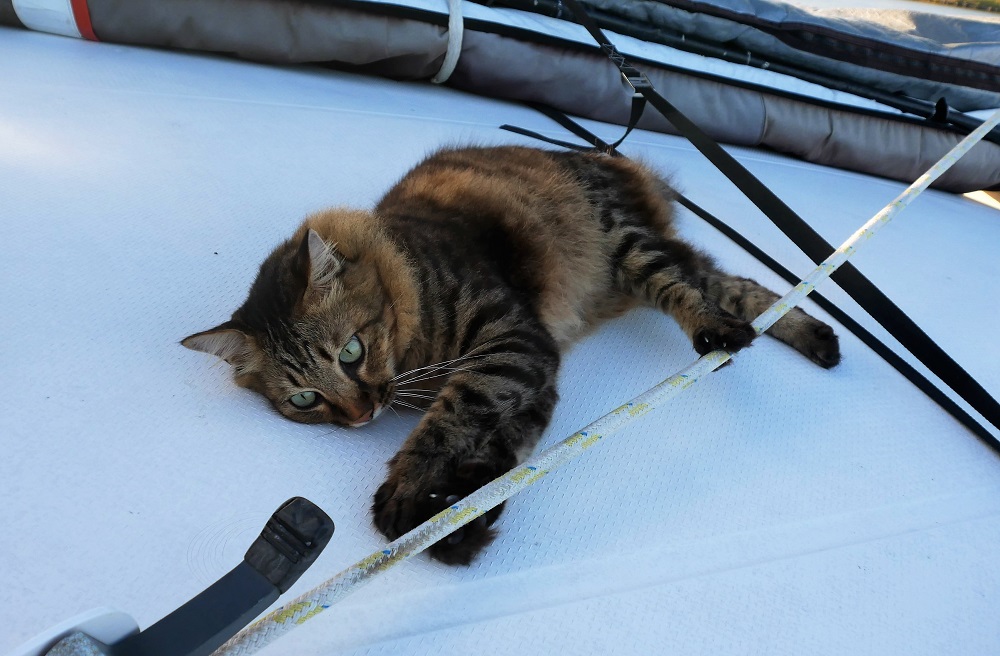
Once back from the flying visit to Malaysia, our visas all sorted, we got ready to leave Makassar behind with one exciting addition to the family: our Swiss-Italian friends on SV C’est Le Vent needed to fly to Europe and kindly lent us their cat, Paco, for a month, with us promising to deliver him safely to Bali upon their return. Paco is a treasured fur kid who speaks only French and comes complete with a long list of instructions as well as a cat passport, cat shampoo, comb and a special towel, as well as a box of lightly steamed fish, the only thing he eats. Rescued from a Malaysian fish market when he was a tiny kitten six years ago, Paco is a boat cat through and through who has sailed more miles than the four of us put together. He is fluffy and slender, extremely good-looking and very friendly, and I already know it will be hard to give him back. In the meantime, we may have to rename the boat Paco the Cat.
 SV Bob The Cat