
David got back from his trip to the UK finding the feeble flashlight with which I was supposed to ward off intruders unused and the kids and I eager to leave Wanci. Although we’d been making the best of the location, hanging out with our awesome friends, diving, snorkelling and even doing some kite surfing while he’d been gone, we were keen to see more of the famous Wakatobi National Park. Established in 2002 to protect the largest barrier reef in Indonesia and the associated area of astounding marine diversity, the National Park covers an area of 1.39 million hectares and is recognised as one of the highest priorities for marine conservation in Indonesia.

Wakatobi is a veritable water paradise. Small sand-fringed islands are dotted over a large area of deep, clear water, each island surrounded by lush seagrass beds bordered by current-swept plunging coral walls. The ocean here is teeming with life – whales, dolphins, fish of all descriptions, several species of turtles, sea snakes, squid, and octopus.

The ocean is especially important to the local people here, the Bajau sea gypsies who are a traditionally nomadic sea-dwelling tribe. Originally the Bajau lived exclusively on boats, which they sailed around in large flotillas of extended families, fishing and trading for food within a larger home area. Nowadays, the Indonesian government has encouraged the Bajau into permanent settlement and most live in wooden stilt houses built over the shallows, the walls of their small houses made from palm leaf mats, their longboats hoisted up underneath the house. Everywhere we sail in Wakatobi are these sea villages: dotting the perimeter of remote atolls, stretching out from the coastline of otherwise uninhabited islets, and extending seawards from larger, more traditional land-based townships.
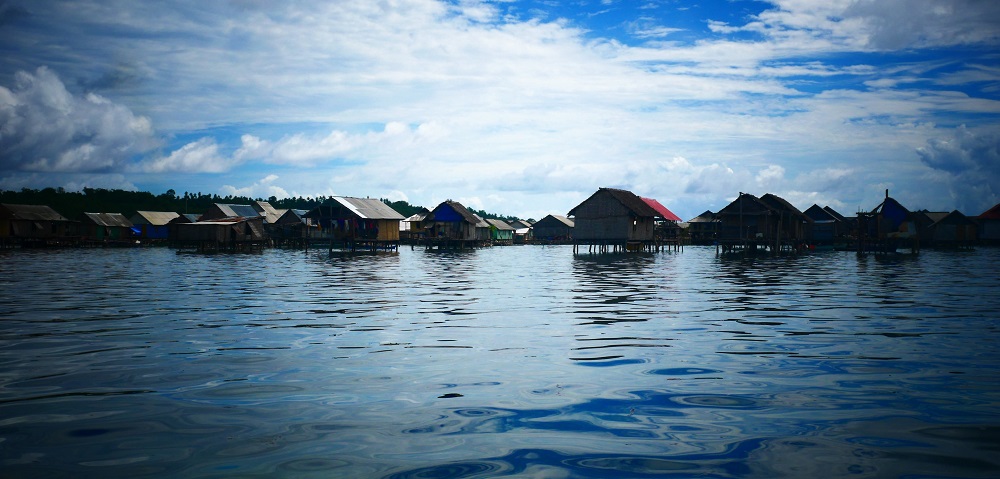
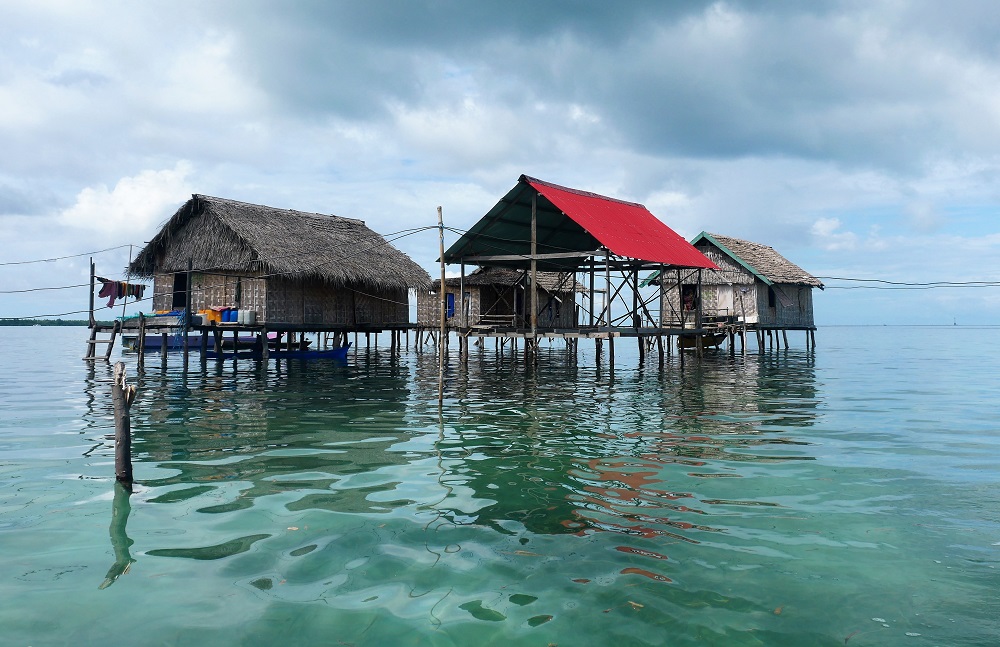

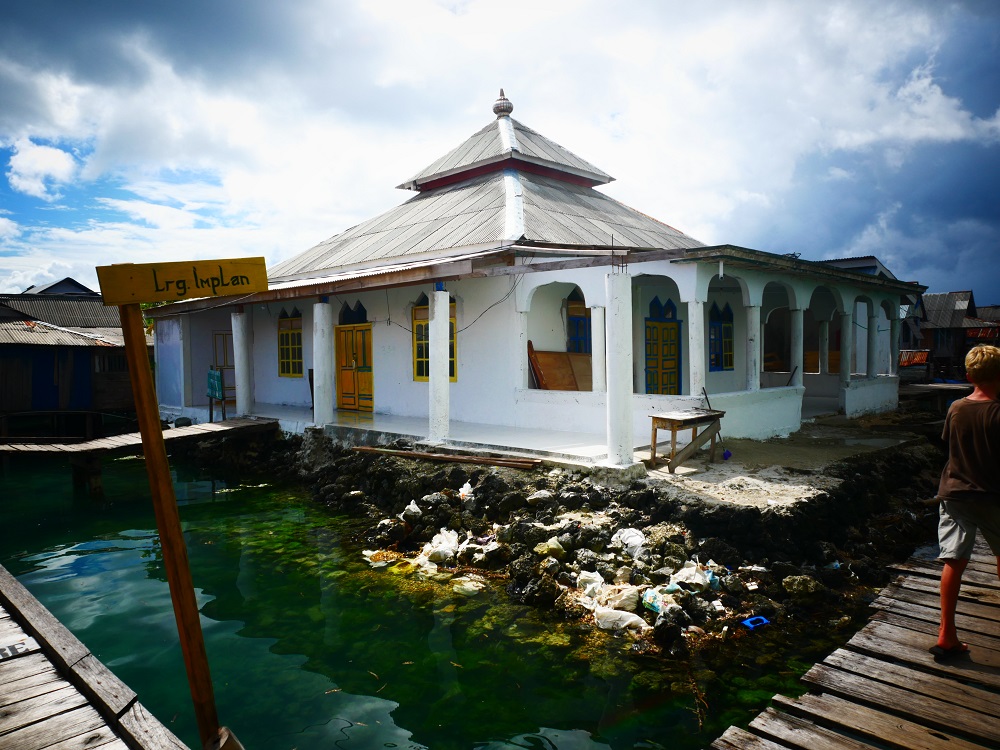

Legend has it that the Bajau originally lived on land, but after their king lost a daughter at sea in a storm the tribe went searching for her. When they failed to find her, they feared returning to face the king’s wrath, and so they stayed afloat, travelling on the ocean forever after, following the bounty of the seas. Since they stopped being nomadic, the Bajau have been struggling to catch enough seafood to live, and in the recent past started using destructive fishing methods like blast and cyanide fishing to increase their catches. To limit resource damage, the Indonesian government has been encouraging them to use Fish Attracting Devices (FADs) instead, and the water around the Wakatobi islands is littered with little bamboo structures anchored in deep water.
The international research organisation Operation Wallacea, a branch of which is based on Hoga Island in Wakatobi, has seen the destruction first hand.
“There were just dead fish everywhere, floating on the water,” explains Nina, a student from Austria doing her marine biology project on the island. She is describing a famous dive site within the marine reserve, where she and her buddy surfaced in a tide of dead reef fish. “We’re not sure if it was blast fishing – we didn’t hear any explosions – or if it was cyanide.” She says that the Indonesian government is working with locals to promote non-fishing based livelihoods and the use of sustainable fishing practices.


“The government knows that this site is special,” she says. “I mean, it is the largest barrier reef in Indonesia! They want to protect it, but in reality they can’t stop the locals from fishing, and I’ve even seen big commercial fishing boats within the reserve.”

It is certainly hard to keep the Bajau from fishing. The sea is everything to them – their home, their work, their entire world. Fishing is not just a job to them; it is in their blood, the way of life of their forefathers and their children. They are famously adept at free diving and the deepest dive recorded for a working Bajau is 79 m, although most of their dives will be shallower than that. Traditionally, they spearfish, spending up to 60 per cent of their working life under water, with the result that they have some fascinating genetic adaptations to apnea diving. They have enlarged spleens that hold more haemoglobin-enriched blood than normal people’s. When they dive, the spleen contracts, pushing these extra blood cells into the general circulation, thus boosting the oxygen levels in the blood. They also have a genetic adaptation which allows them to reduce their metabolic rate and thereby lower their need for oxygen whilst diving, one which prevents dangerous levels of carbon dioxide to build up in their blood, and another which increases the degree to which blood is squeezed out of extremities when they dive, which keeps the blood circulating just in the core region where it is needed to keep up vital functions.
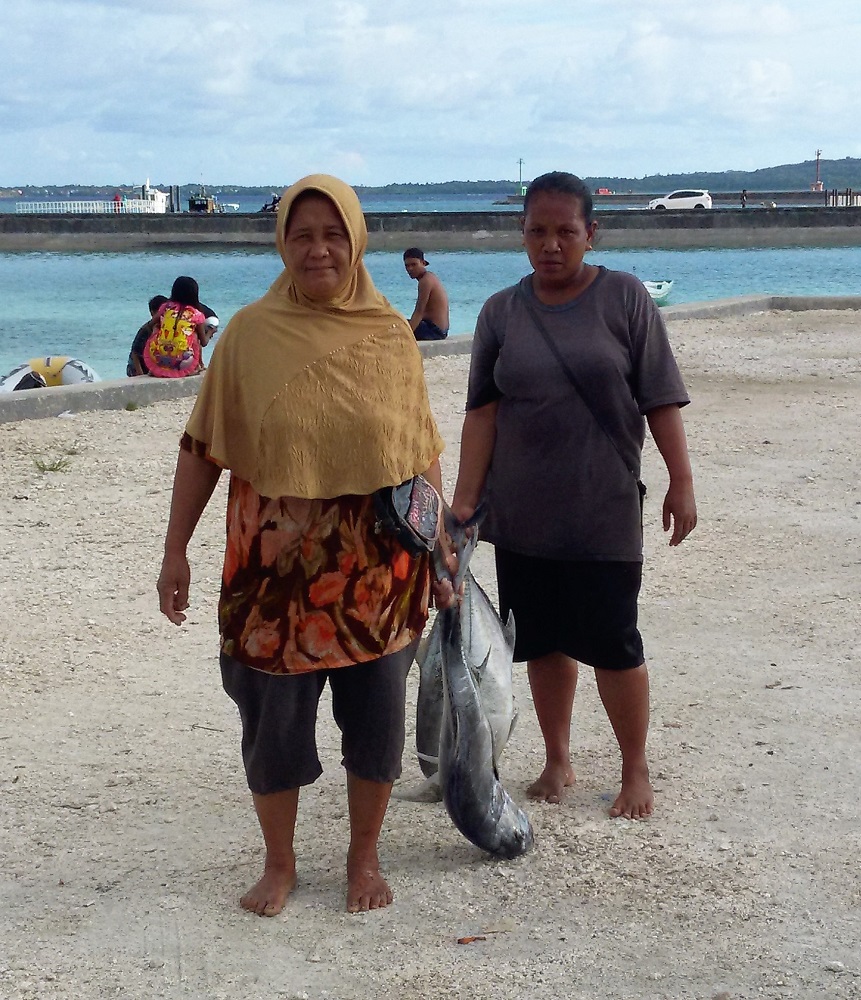
All in all, they’re the perfect diving machines, and we watch them with awe as they spearfish from their fragile boats, wearing only their traditional wooden goggles. Every day a new canoe comes to the boat, it’s owner wanting to sell today’s seafood – lobster, crab, mantis shrimp, fish, squid, cuttlefish, octopus, shellfish… We buy some to support the local population and they take the rest to the local markets where the Bajau dominate the fish aisles.
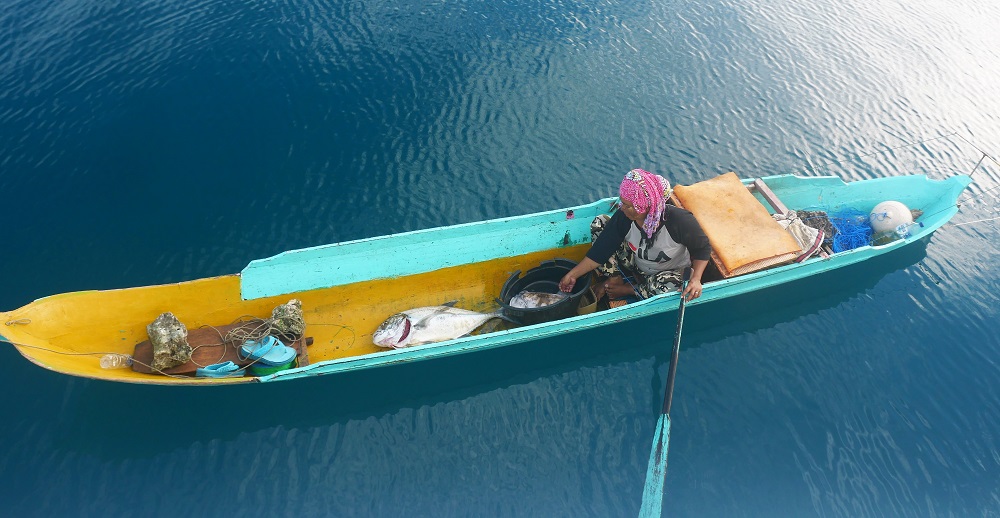
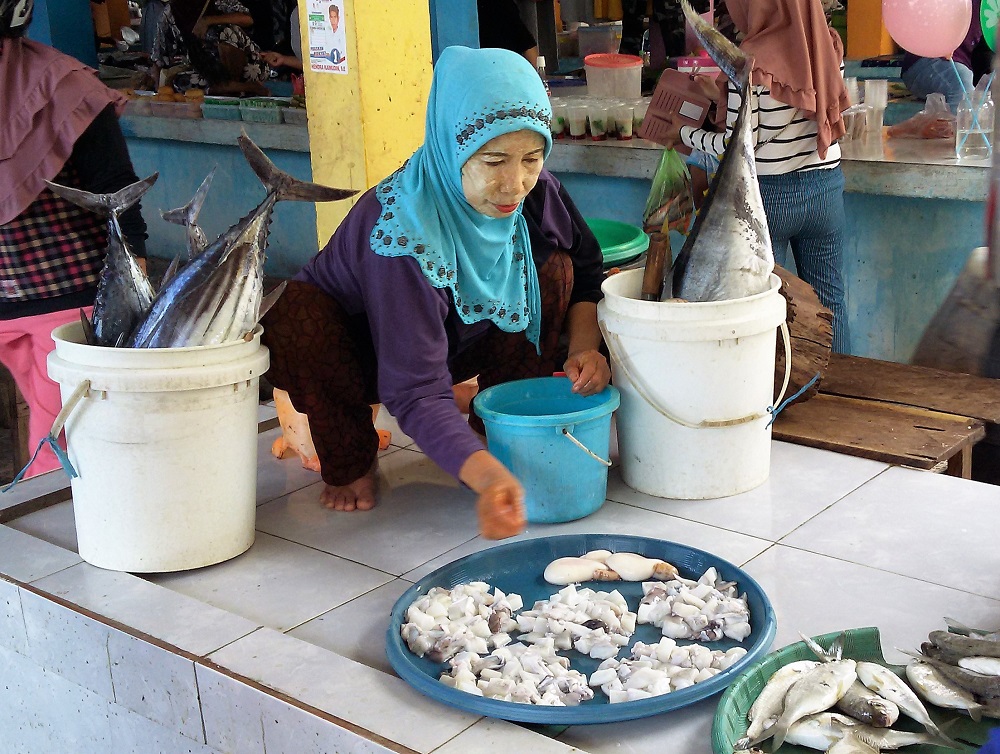
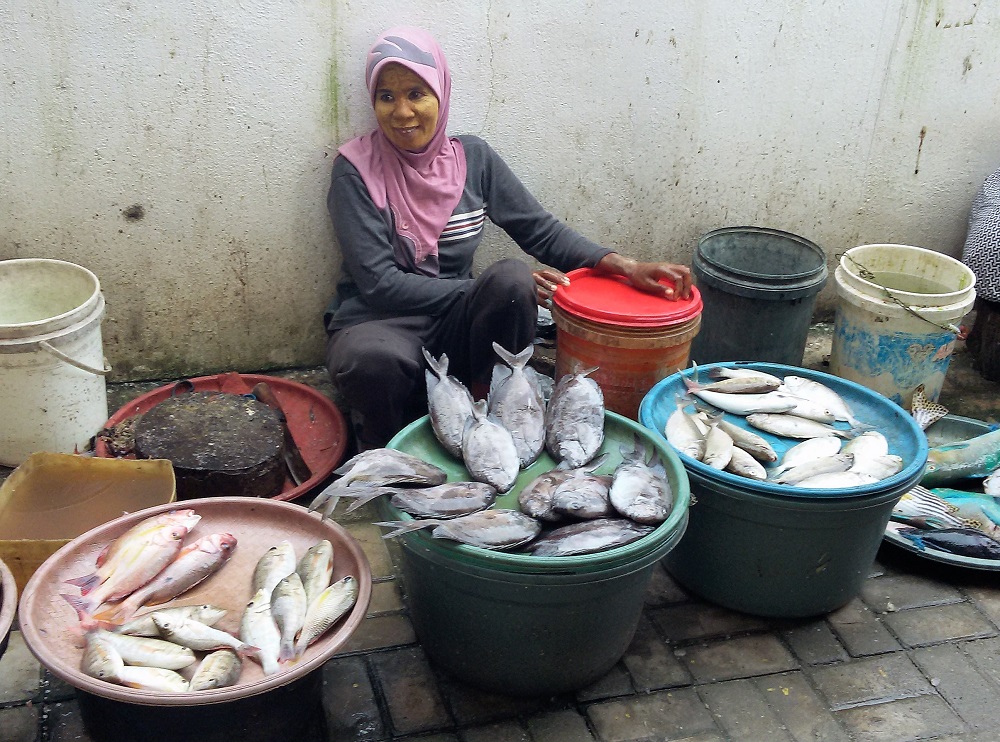
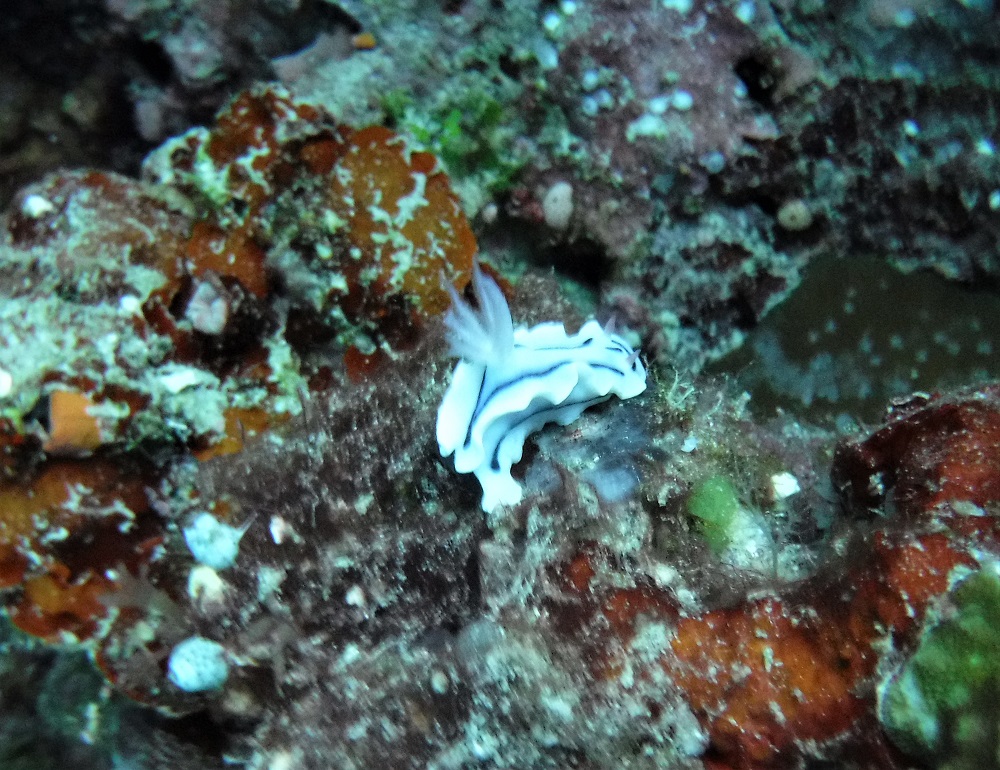
We spend our days in Wakatobi diving world-class spots – circling pinnacles rising from deep blue drop-offs, swimming under dramatic overhangs, drifting along sheer coral walls pushed by swift currents, finning leisurely over shallow reefs and seagrass beds. Everywhere you put your head down here there is something to see. Swarms of fish clouding the vision so that you can barely see the surface when you look up, seasnakes deftly exploring coral crevices, boring their heads into incredibly small holes, their tongues flicking in and out as they taste the water to find prey, and swimming vertically up and down when they go to and from the surface for a breath. On the reefs, delicate nudibranchs slowly move along sunlit coral and lazy turtles sleepily look out from deep crevices.

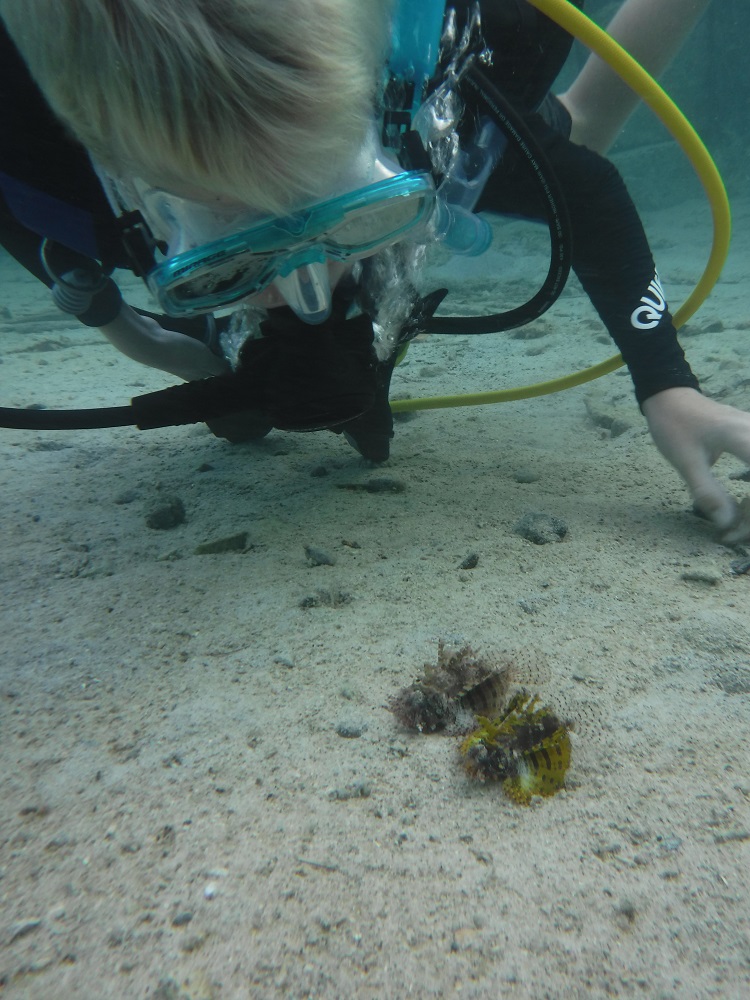
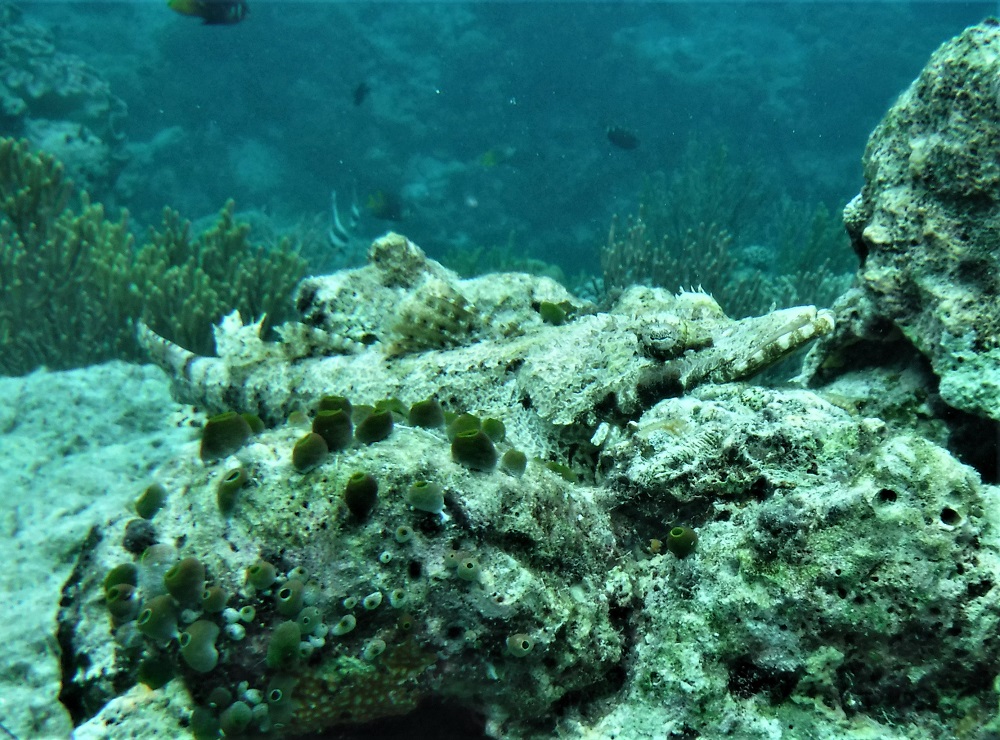
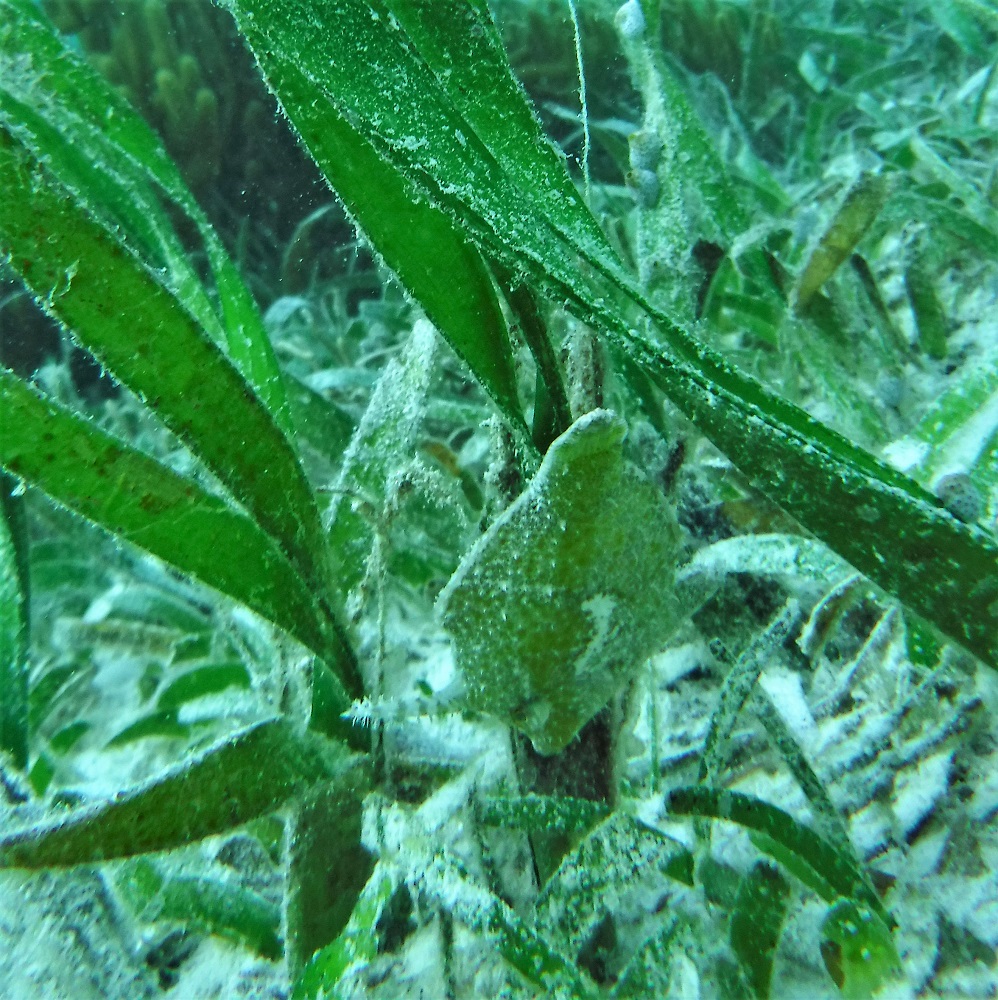
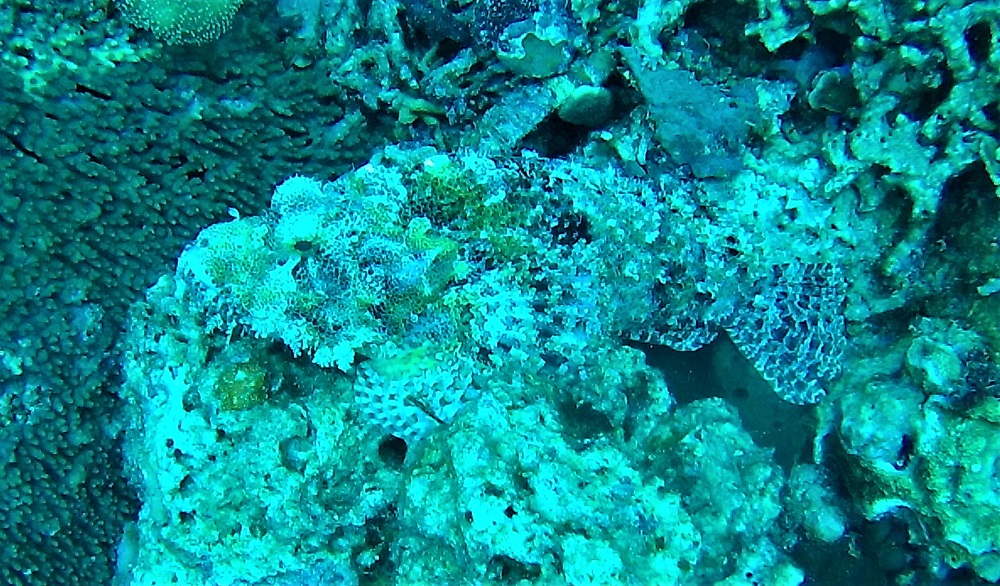
Evil-looking crocodile flathead and scorpion fish blend in superbly with the reef surface and white flatfish are almost impossible to see against the white sand. Fragile pipefish and incredibly rare cryptic filefish hide in the seagrass beds, and giant trevally and large snapper hide in the depths of a fast-flowing channel. At a late afternoon dive on a pier we are treated to about fifty mandarin fish dancing to attract a mate and see mantis shrimp coming out of their burrows in the fading shafts of yellow sunlight dancing down from the sky above.
Wakatobi is a magic underwater paradise, and we hope the local people can find ways to fish sustainably so that it will remain as diverse and productive as it currently is.
 SV Bob The Cat