
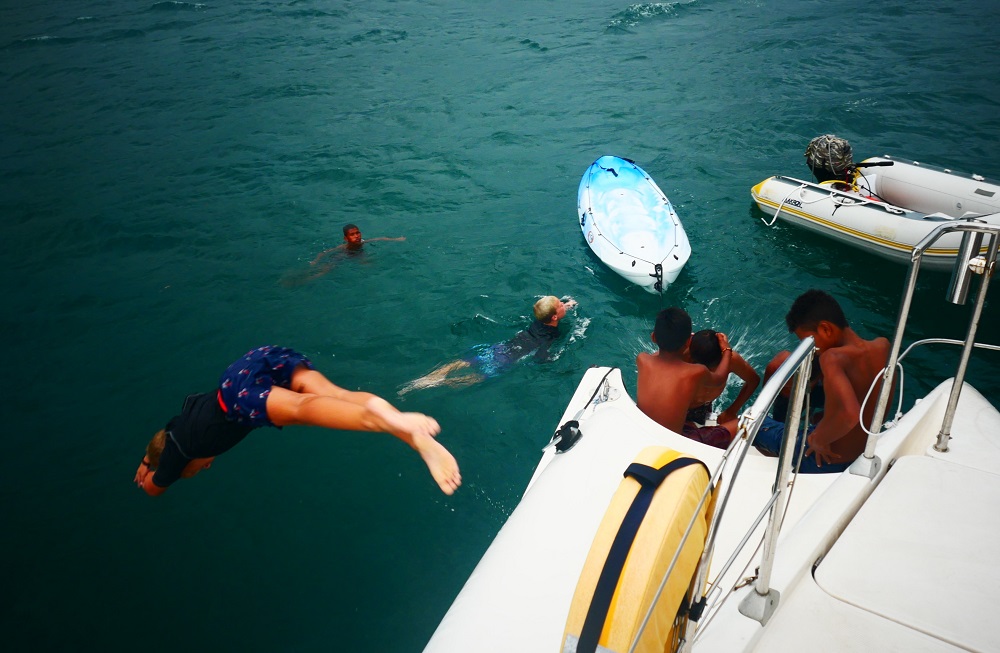
“Mummy, jump in now – it’s just here!” yells Matias.
I hold my camera tight to my chest and jump off the boat, starting swimming as fast as I can as soon as I hit the water. With my mask half out of the water, I can see the big dark shape on the surface, and then, suddenly, it disappears from the surface and appears in my underwater vision. A huge shadowy figure swimming below me. I fin as fast as I can towards it, my heart bursting with excitement.
It is more than a thousand metres deep here. The afternoon sun is sending shafts of light down through the clear water, obscuring my view like lace curtains in front of a window, a soft, whitish filter which billows through the water, lightening the dense, dark shape below in everchanging patches as the waves above refract the light through the water column in different directions. Wow. It is so close – and so very large. I swim above the dark creature for five minutes before it slowly dives down and disappears into the blue depths. Pausing, I raise my head to check where the boat is. Time to swim back.
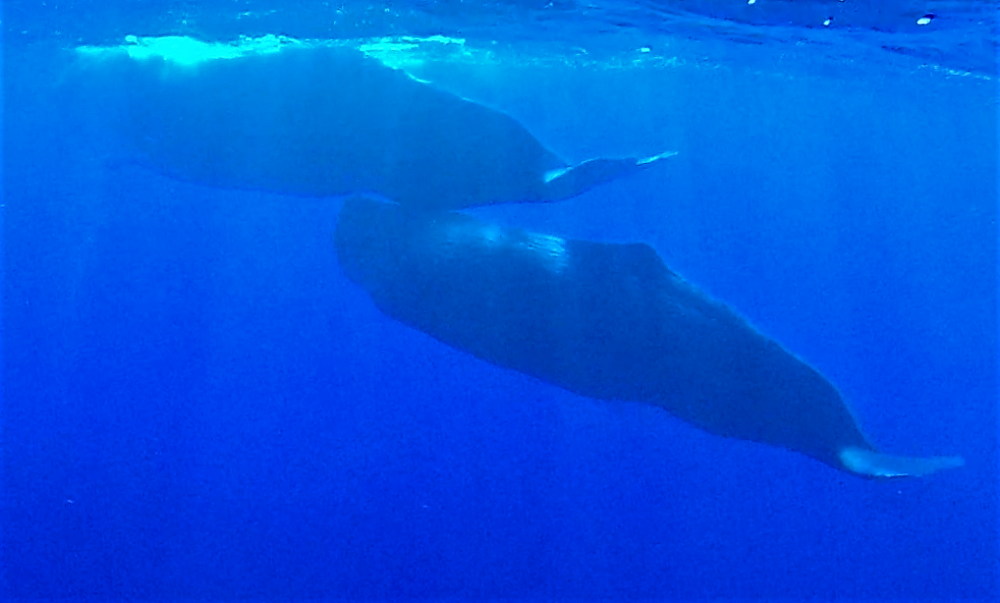
We’re on the last day of the trip from Ambon to Wakatobi in south-eastern Sulawesi, and somehow found ourselves in an area full of sperm whales. The afternoon is getting on, but we’re only 6 miles from the anchorage by Hoga Island, and as the whales don’t seem shy or scared we decided to jump in with them.
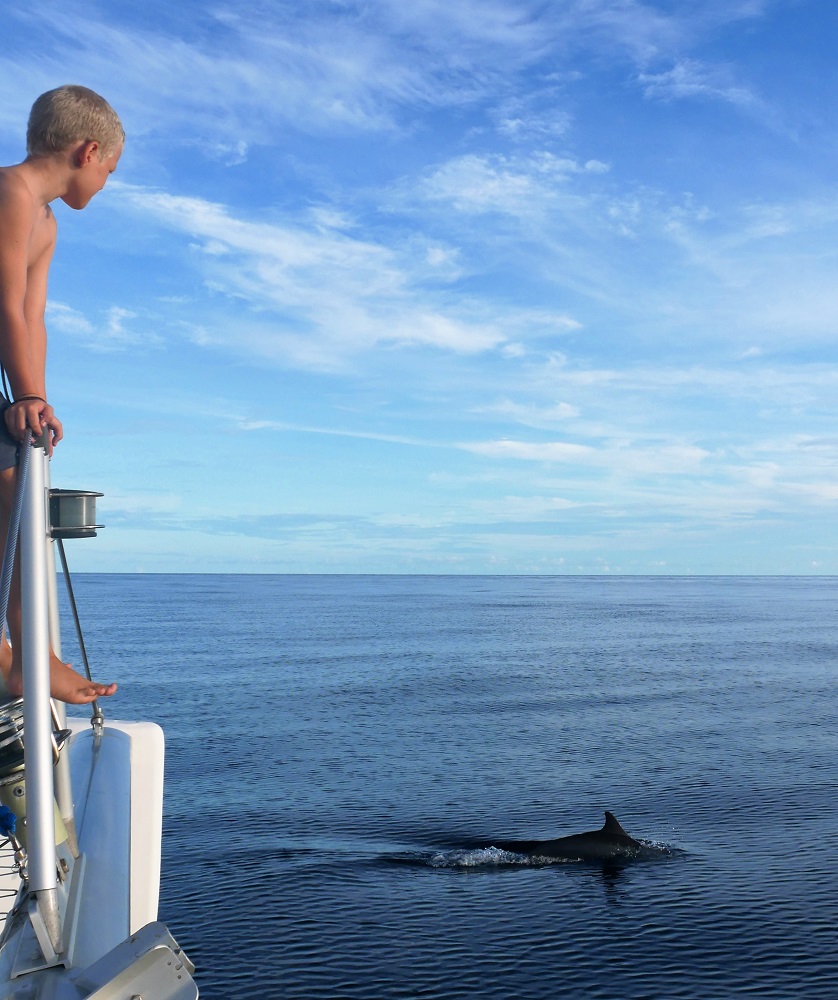
We’re going to Wakatobi because of the famous Wakatobi Marine Park, a large marine sanctuary which provides for amazing marine life. So far our trip has been full of marine mammals. On the first leg, from Ambon to the island of Buru where we stayed for two nights to break the journey, large pods of dolphins came to swim off our bow, playfully frolicking in our wake. At the anchorage at the southern end of Buru Island spinner dolphins came in every morning, huge groups of 20-30 animals trawling through the shallows, leaping out and spin joyfully in the air only to crash down with a huge white-water belly flop.


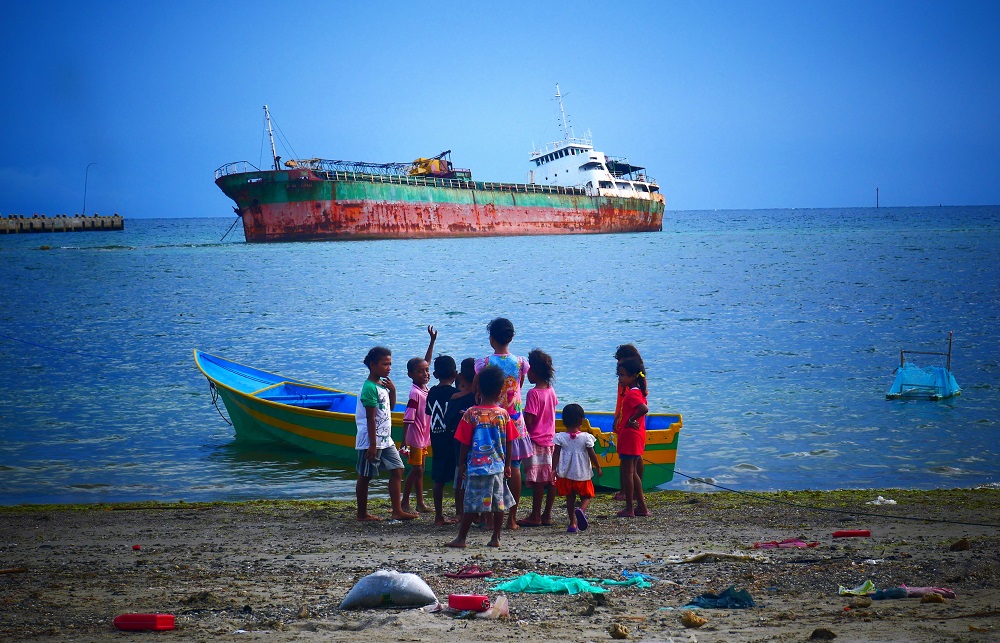
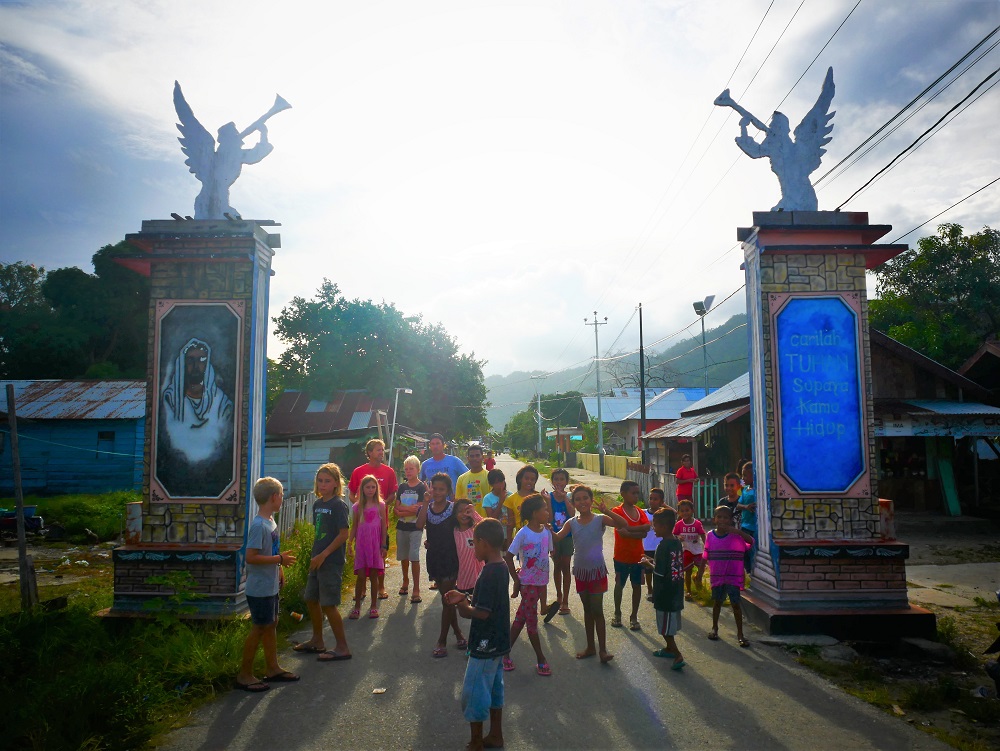
 Buru is the third largest island in the Moluccas and doesn’t leave a great impression. The anchorage off the township of Namrole is rolly and exposed and the town dirty, rubbish thickly scattered in the roadside ditches, full of foraging chickens, goats and children. We’re there a couple of days before the Indonesian general elections, and the town is full of soldiers, present to ‘keep the peace’. Namrole is sharply divided into a Christian and a Muslim neighbourhood and the two don’t mix much, which probably doesn’t help in terms of minimising conflict.



Marine mammals are not the only excitement on the passage. One the way from Buru to Hoga Island we get a visitor when a blue-beaked, exhausted-looking booby hitches a ride for 50 miles. The bird lands on the solar panels at the back where it sits stoically through waves and wind, steadily defecating onto the edge of the dinghy below. When it starts raining it jumps onto the bow of into the dinghy where it spends a while, head in feathers, getting absolutely drenched by the runoff from the solar panels below which it has positioned itself, the accumulated rainwater in the dinghy turning green with bird excrement. After half an hour of solid rain it figures out that it could move somewhere drier, and tries first for a submerge in the unappetising sludge at the bottom of the dinghy before it decides on the outboard engine as a more permanent resting place.
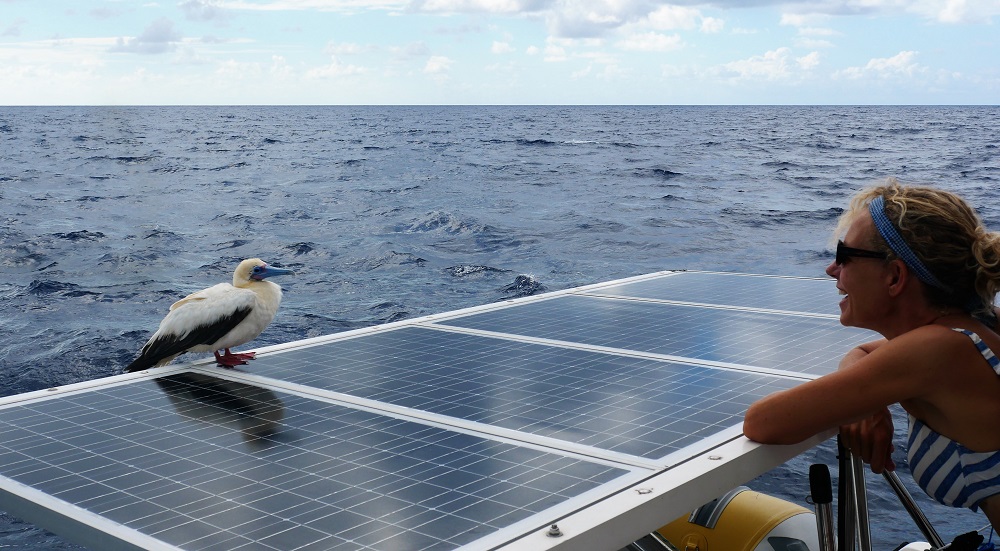

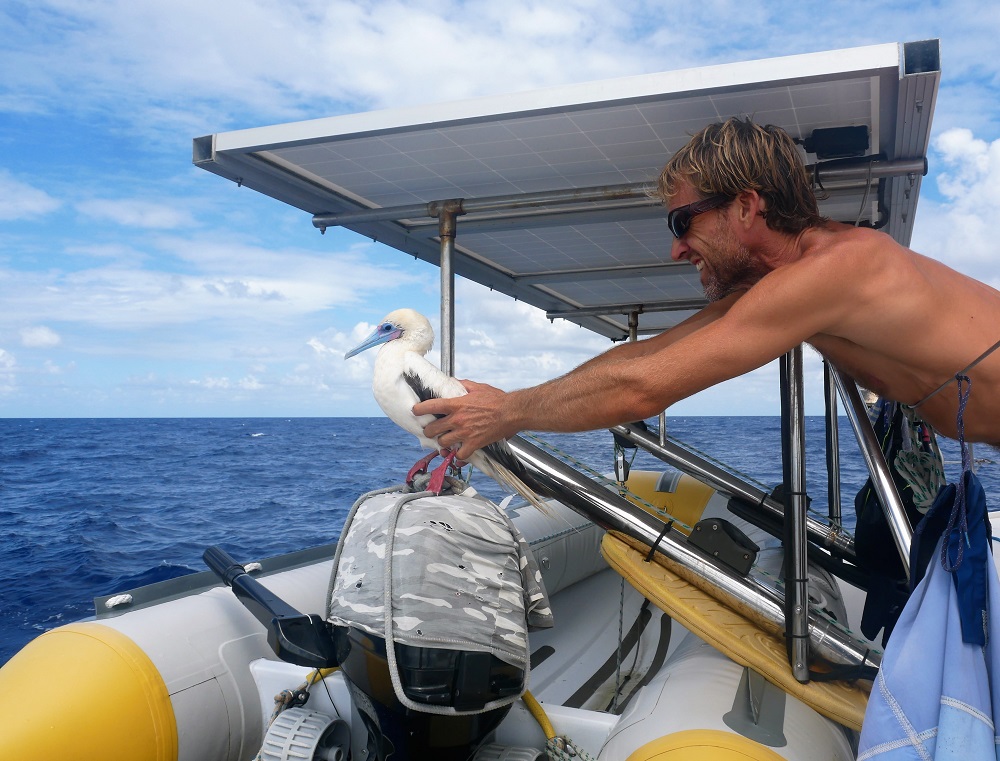
Never have we met a bird this tired. It tries to stare us down with its tiny, beady eyes but the eyes keep closing behind the blue wrinkly skin of its eyelids, the head drooping down as it relaxes into sleep, the large red feet clinging onto the bouncing boat. We don’t much like it sitting on the outboard (we don’t want poo on the engine) but it is impervious to our attempts at dissuading it, not moving when we come close or even touch it. In the end, David picks it up and places the indignant but accepting bird gently back up on the solar panel where it relaxes into a long nap, head nestled into its back feathers.
The booby only leaves when we stop to swim with the sperm whales. After realising that we are no longer any help in terms of getting it to wherever it wants to go it flies off impatiently, leaving a heavily stained dinghy and solar panel behind. But we don’t care, we’re too excited about the whales.
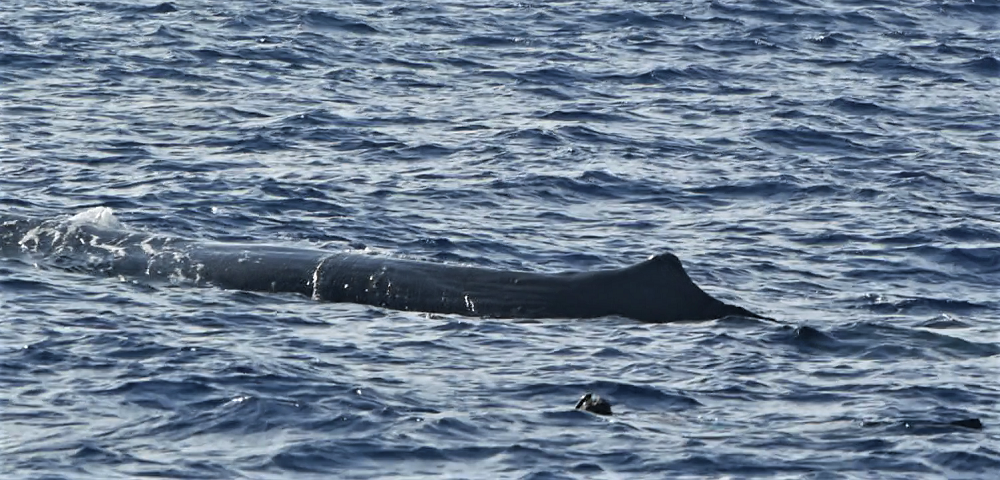
They’re everywhere, mother and calf pairs logging at the surface, the adults easily 15 as long as our boat (14 m), breathing misty sprays and occasionally exuberantly jumping halfway out of the water only to slam back down, sending huge waves of white water off in all directions. After I get back onto the boat, David jumps in next to a pair and stays with them for ten minutes until the mother yawns, at which point David realises how big its teeth are and beats a hasty retreat.
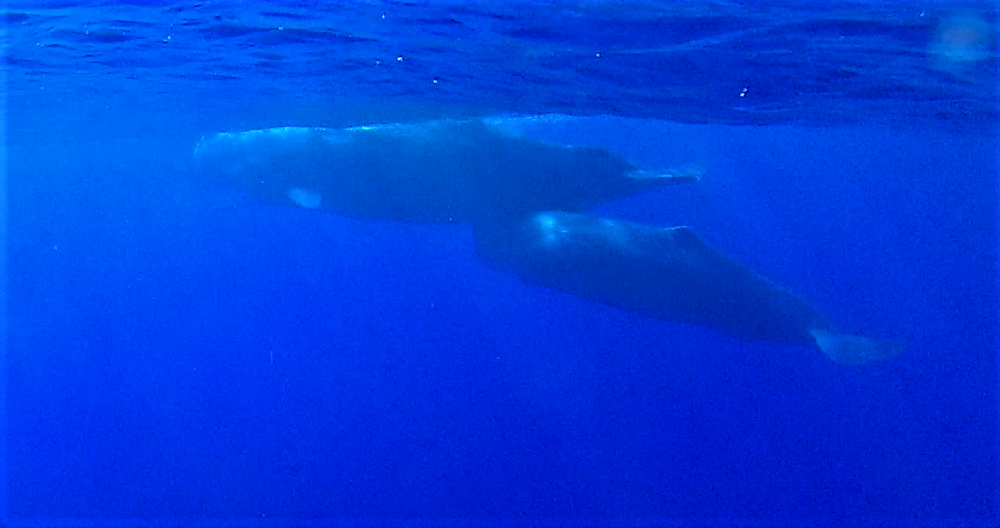

Oh the things you see when sailing Mother Ocean – the amazing life that exists alongside, and nowadays largely in spite of, us humans. It is humbling and awe-inspiring to witness these creatures going about their business in their natural habitat – and infuriating how poorly we take care of their ocean. In 2018, a large, dead sperm whale stranded in Wakatobi not far from our encounter with them, making the international news because its stomach was so full of plastic waste there was little space for food. I’m sure at least some of it came from the filthy township of Namrole on the southern coast of Buru.
 SV Bob The Cat