
We got out of Port Moresby just in time, in more ways than one.
Four days after we left, unrest broke out, with police storming parliament to protest about lack of overtime pay during the APEC meeting. The Royal Papua Yacht Club marina went into lockdown as looting and gunfire were reported in the town; police warned people not to call them because they would not respond.
The weather in the Torres Strait also changed. The trade winds eased, then disappeared, signalling a period of calm before the onset of westerly winds, an early warning that the monsoon is setting in.
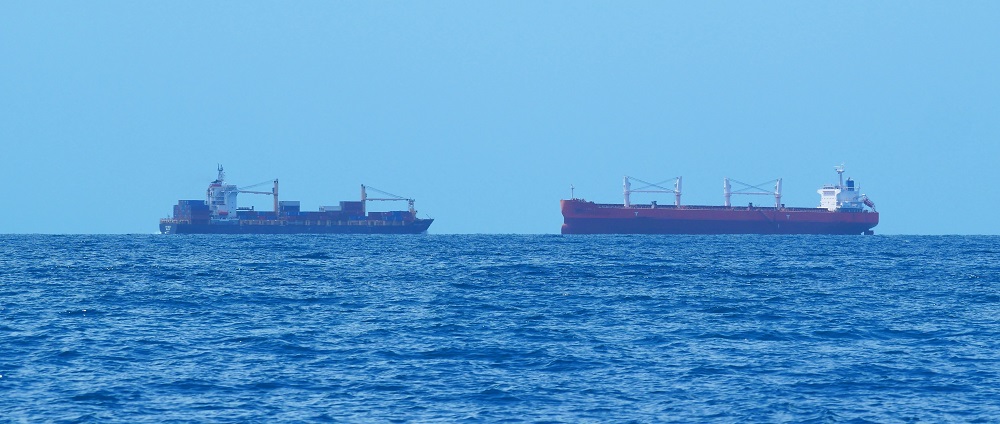
We met the calm a few days into our passage. For the first two days we had pleasant winds and were zooming along at 9-10 knots, but once we reached the barren islands of the Torres Strait the winds died and we glided through the maze of dangerous at 6 knots, carried only by the current. Large ships motored by in the distance, carefully picking their way through the shipping channel, escorted by pilot boats chatting eagerly over the VHF. Once we were safely out of the Strait, the Australian water police paid us a visit, checking why we were going so slow (there was no wind) and logging our details.
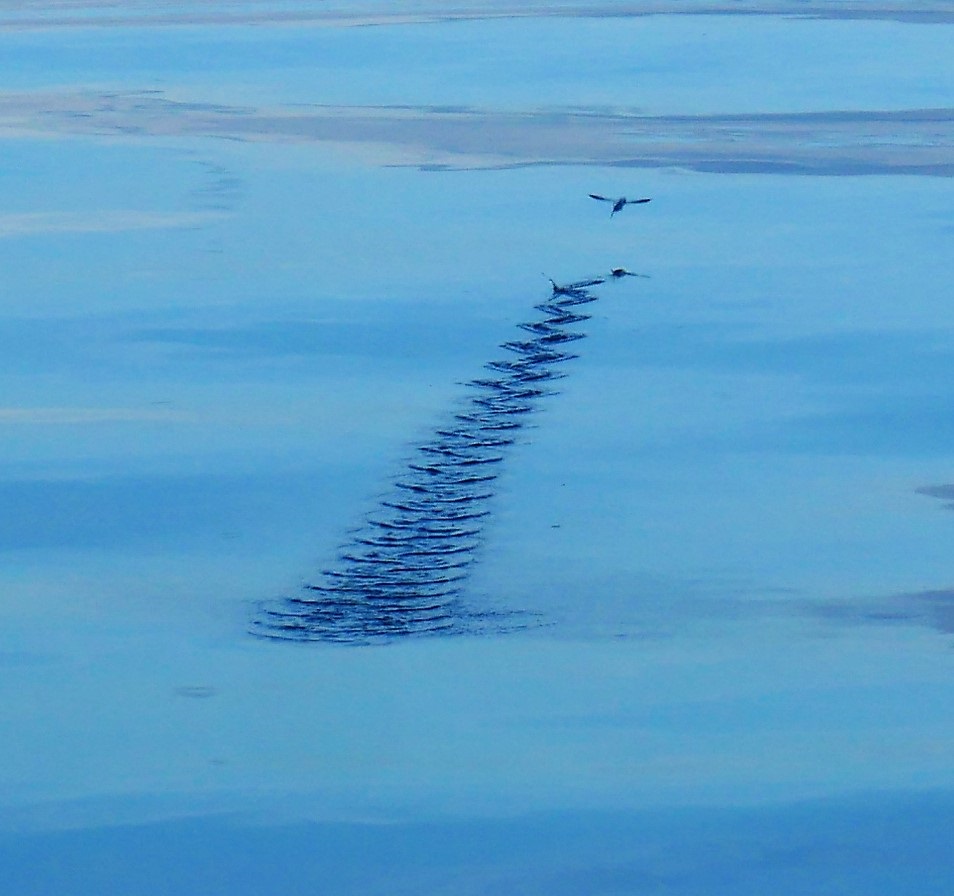
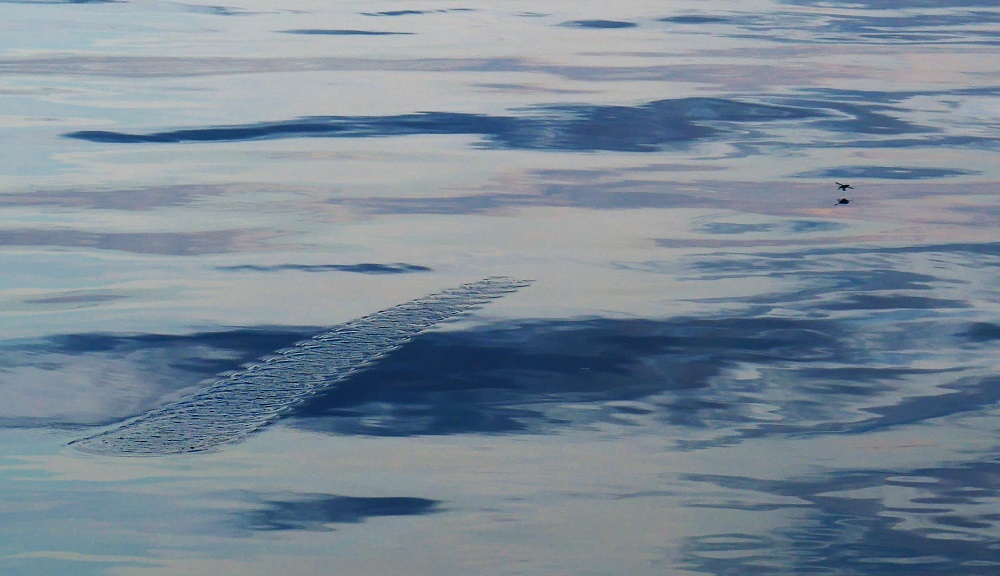
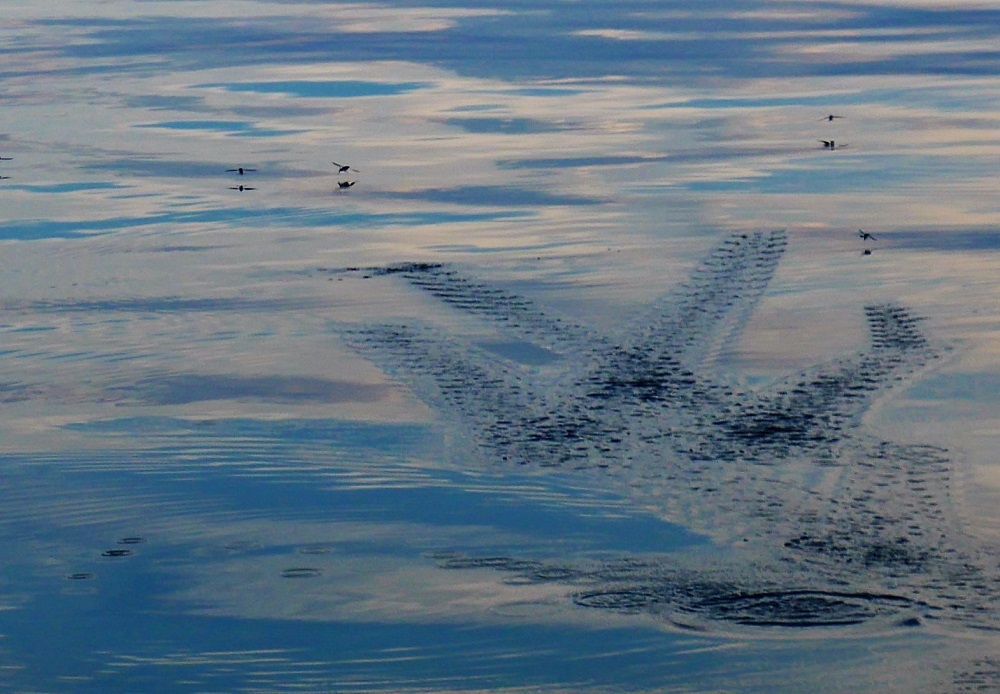
The Arafura Sea (between Australia and New Guinea) is an amazing place. Occupying about 250,000 square km, it was low-lying land during the last ice age when the ancestors of the aboriginals wandered across to settle Australia. Nowadays it is a shallow sea, 30-80 m deep, which we spent four days making our way slowly across. It is recognised as one of the richest marine fisheries in the world and as we moved along the glassy, windless surface large schools of panicking flying fish rushed away from the boat, little glittering fish-birds which, extending their wings, hovered through the air for tens to hundreds of metres just above the water surface before they exhausted splashed back in as gravity overcame the uplift of their wings.
Large groups of dolphins accompanied us for hours, providing a welcome distraction from the passage monotony. A long sea snake popped up for air, its wriggly body slithered along the water surface between our hulls before it indignantly disappeared back down again.


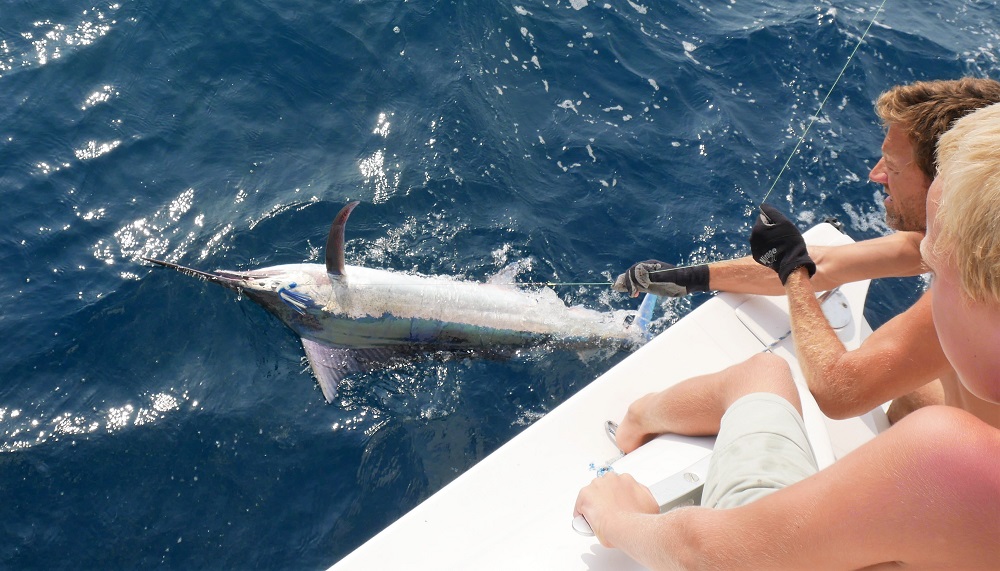
On a day with light winds we caught a marlin whilst sailing along at 4-5 knots. It offered little resistance and David easily reeled it in until it was close enough to the boat for us to release it again.
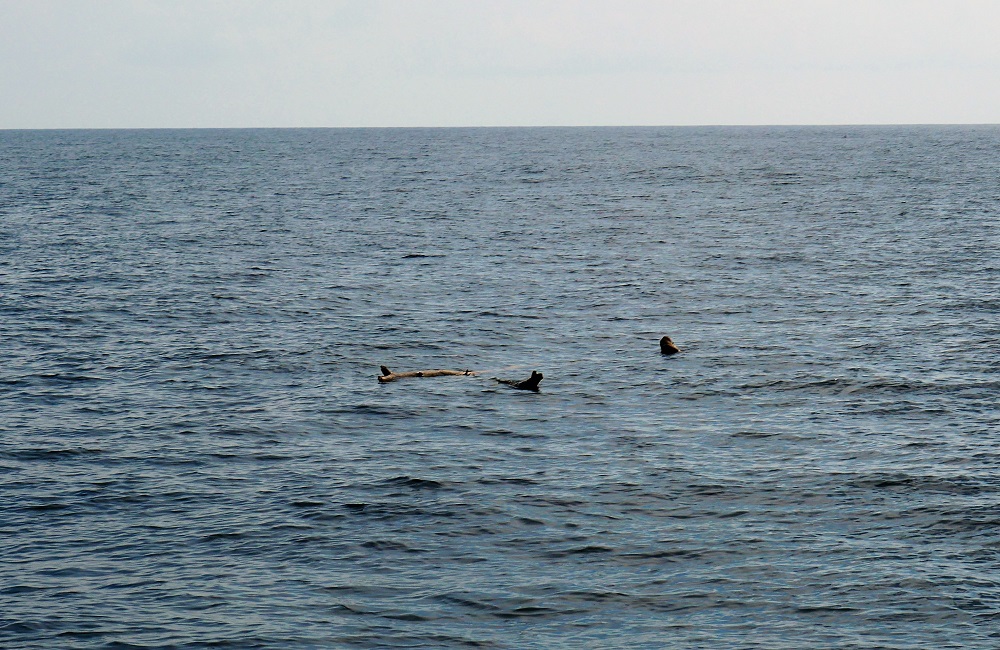
It is just as well that the waters were calm and the winds light. The waters off New Guinea are famously full of huge logs that have washed into the sea from rivers raging through logging country on the mainland, and the flat waters helped us spot them and swerve to avoid. One morning we didn’t get out of the way fast enough and hit a large log which split in half as it went under the starboard hull. David jumped in to check for damage and fortunately everything was intact – the last thing we need is to lose another propeller.
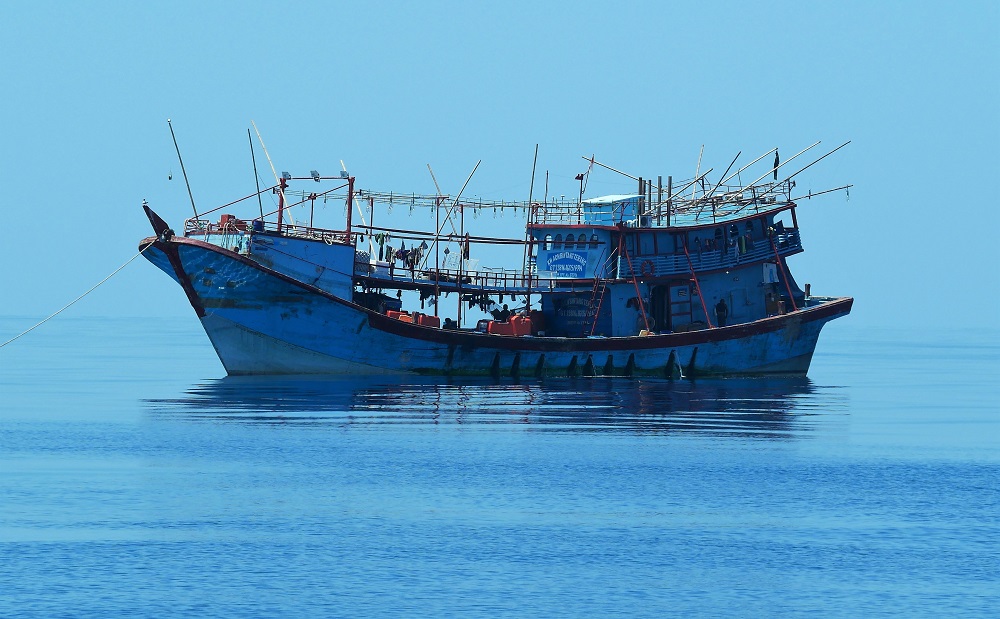
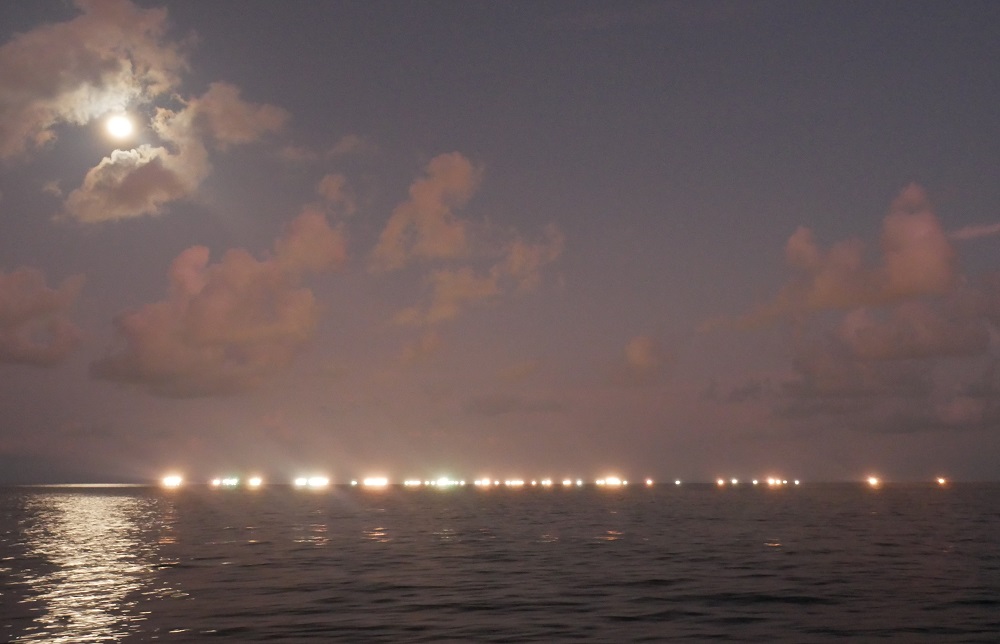
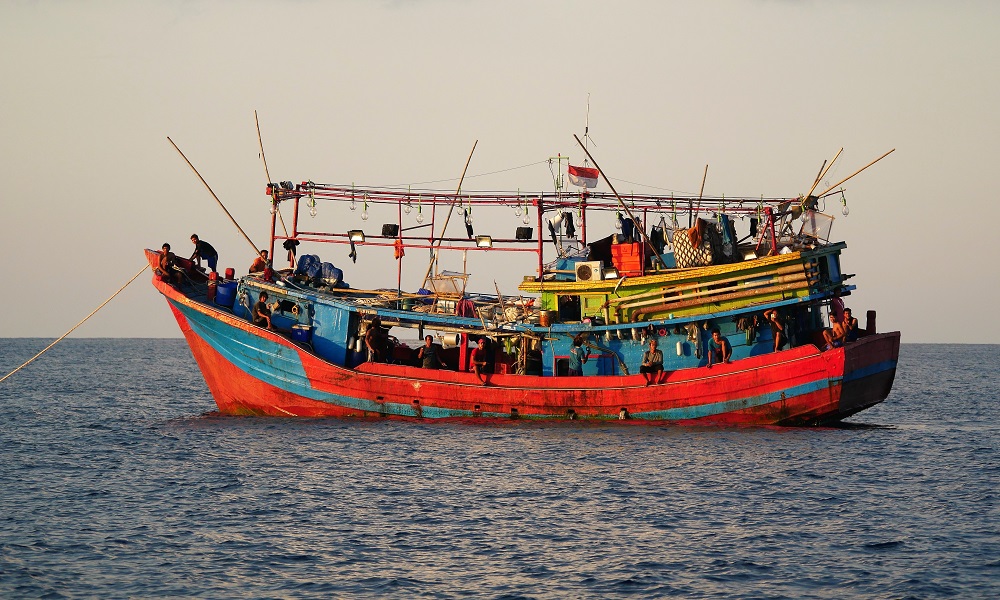
There were buoys too, low-lying dark blobs that we only spotted as they were just upon us. And as we reached a shallow (30-40 m) outcrop that goes on for 40-odd miles the squid boats started appearing. Anchored to the seabed during the day for the crew to sleep they were dotted a few miles apart, and soon the radar screen was alight with their reflections, yellow blobs everywhere. We counted hundreds just along our little route, all immobile, waiting for the night to start so they could commence fishing. As the sun went down they raised anchor and lit up brightly, filling the line of the horizon with glowing stars, the glow of a city of squid hunters.


Without wind the passage turned unpleasantly hot, the searing hot sun in a cloudless sky turning our world into a formidable oven. We were hot and bothered – sweaty and flushed, our skin discoloured by the layers and layers of sunscreen we slathered on. This place was made for people with black skin, not pinkies like us. At night we managed to sleep under the whirring fans, evaporation cooling our sweat-soaked bodies.
On our eighth day as we approached the Kai Islands of south-eastern Indonesia we were welcomed by floating rubbish. It started sporadically with a welcoming committee of cardboard sheets and styrofoam bits appearing about 50 miles offshore and increased steadily in volume and variety as we neared the islands, until towards the end of the afternoon we entered the thick wads of floating plastic garbage, cardboard, and the occasional dead animal covering the water surface of the port of Tual. Amidst the stinking mess we anchored up and started readying for the bureaucratic hell of Indonesian officialdom that awaited us on checking in.

We are grateful to be stationary and for the prospect of a full night’s sleep. In just over a week we’ve moved from Melanesia to South-East Asia, and ahead lies all the adventures of a new region to explore. As soon as we are through the checking in procedure we will try to find a rubbish-free corner of some remote island to enjoy. But first we need some sleep.
 SV Bob The Cat