“Mummy, what are we going to do today?” Lukas is looking at me expectantly. Behind him, the cockpit clears show a blur of grey behind a curtain of droplets.
“I don’t know,” I answer brightly. “Maybe we could have a shower in the rain?”
His eyes light up.
“Matias!” he yells. “Come, let’s go and have a shower on the trampoline! Get your togs!”
It has been raining on and off for ten days week now, heavy dark skies and oppressive heat interrupted by all types of rain imaginable: light, dusty showers moistening the skin and frizzing the hair; fierce rain waterfalls creating walls of rain beyond the cockpit; stormy rains with droplets like bullets tearing into you should you venture outside. The ocean is freckled with raindrops, the rivers bursting their banks, and the nearshore waters brown with mud.
Wet weather makes for a soggy boat, and everything is damp on Bob the Cat. I wipe the walls daily using vinegar, hoping that its antifungal properties will ward off black mould. Our towels are moist, our clothes feel damp to the touch, and our canvas cover is saturated to the point where water is dripping through into the cockpit.
It’s not ideal weather for sightseeing, but we’ve done our best.
We’re in Espiritu Santo, the biggest island in Vanuatu. The island was extensively used by US forces in the second World War, and the wartime history is present all over. The US established bases here, active from 1942 to 1945 when Japan was defeated. As the US troops withdrew, they left behind a lasting legacy and vast amounts of equipment.
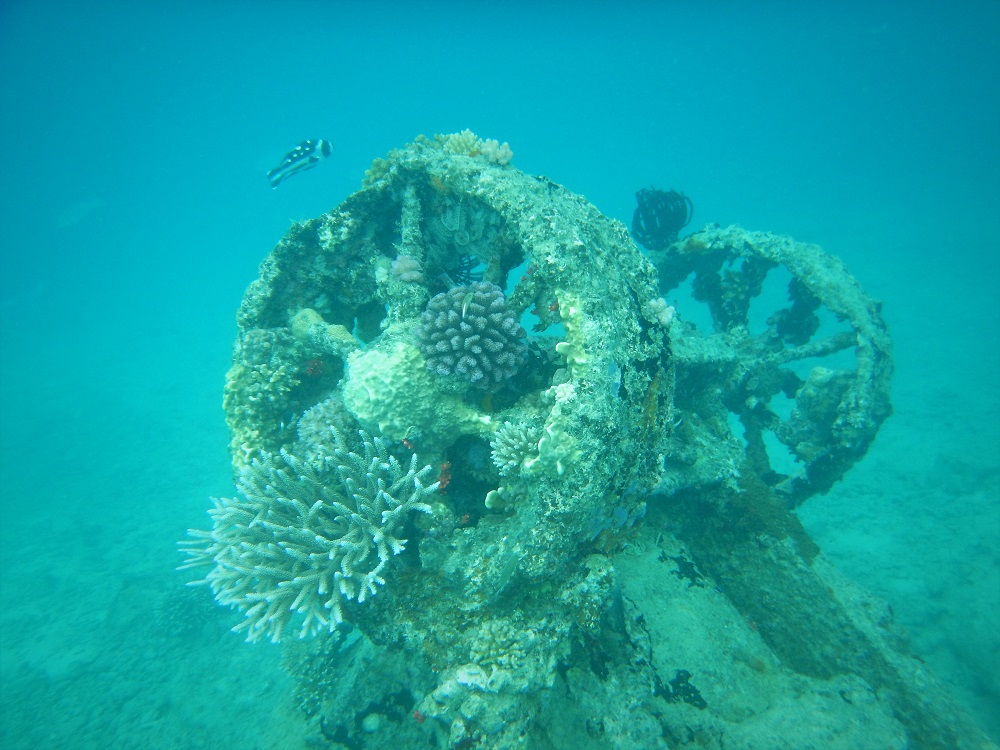
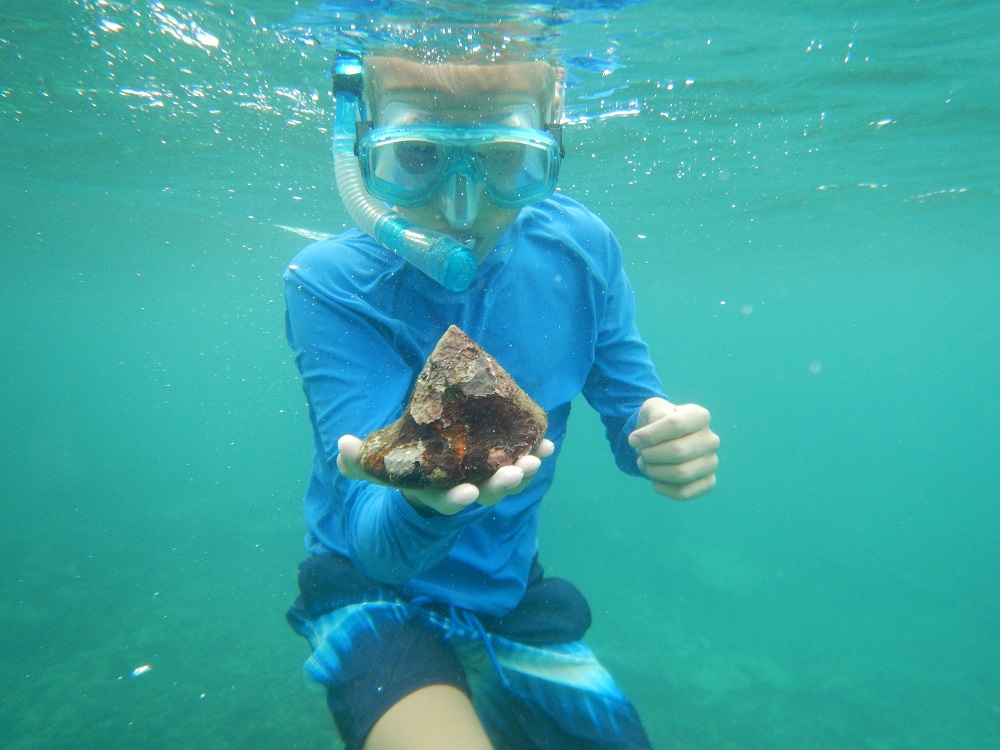
While here we snorkel the famous Million Dollar Point where the Americans dumped millions of dollars’ worth of military equipment just to ensure that the British and French didn’t get their hands on it. The legend goes that as they withdrew, the US offered the equipment to the British and French (the nations ruling Vanuatu at that point) at ridiculously low prices. The two nations, however, thought that the US would have to leave the equipment anyway, and declined the offer to buy thinking that they would get the equipment for free when the US forces abandoned the island. This irked the US, who decided to spite the British and French by dumping the equipment in the sea rather than let them have it. And thus bulldozers, military ships, aeroplane engines, jeeps, tanks and crates of coca cola were dumped in the shallow waters just offshore Luganville, the main town in Espiritu Santo.
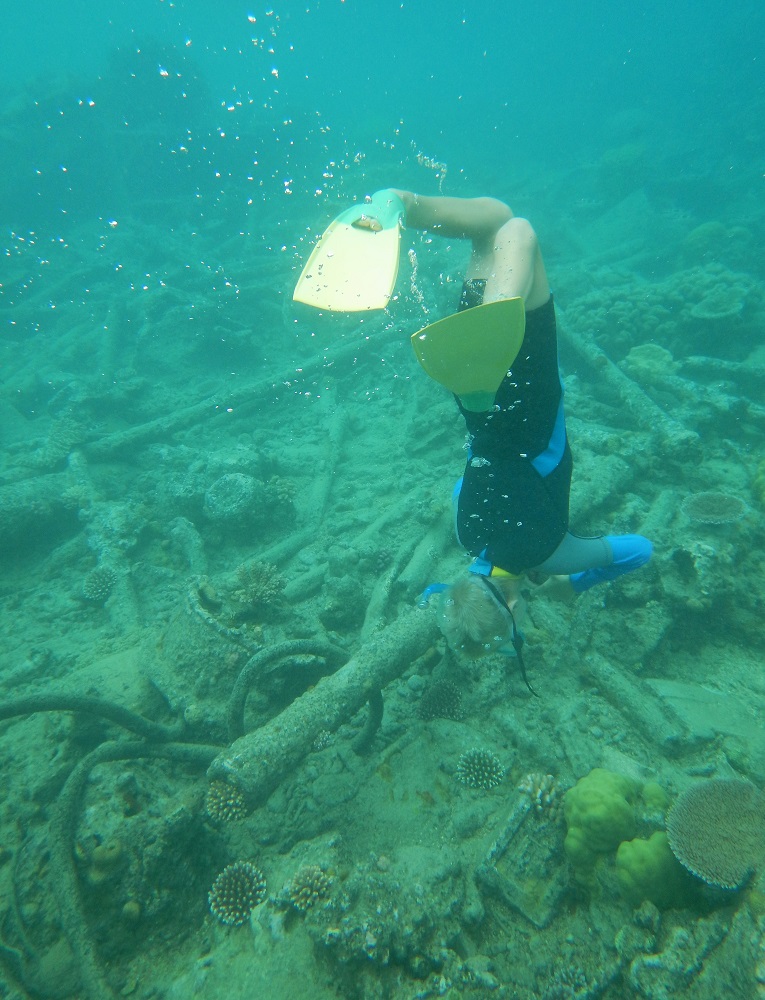
It is a peculiar site. A nice, white beach is strewn with metal debris and as we swim out we survey the underwater military rubbish dump. We find shipwrecks, vehicles, wheels scattered all over, tanks, and lots of unrecognisable structures.
Also a wartime casualty is the wreck of the SS President Coolidge – one of the largest shipwrecks in the world. A luxury liner appropriated by the army, the huge ship (187 m long) was struck by a mine and sank just off Luganville. The wreck is still rather intact and full of equipment, including supplies, guns, tanks and other vehicles, making for an interesting dive.
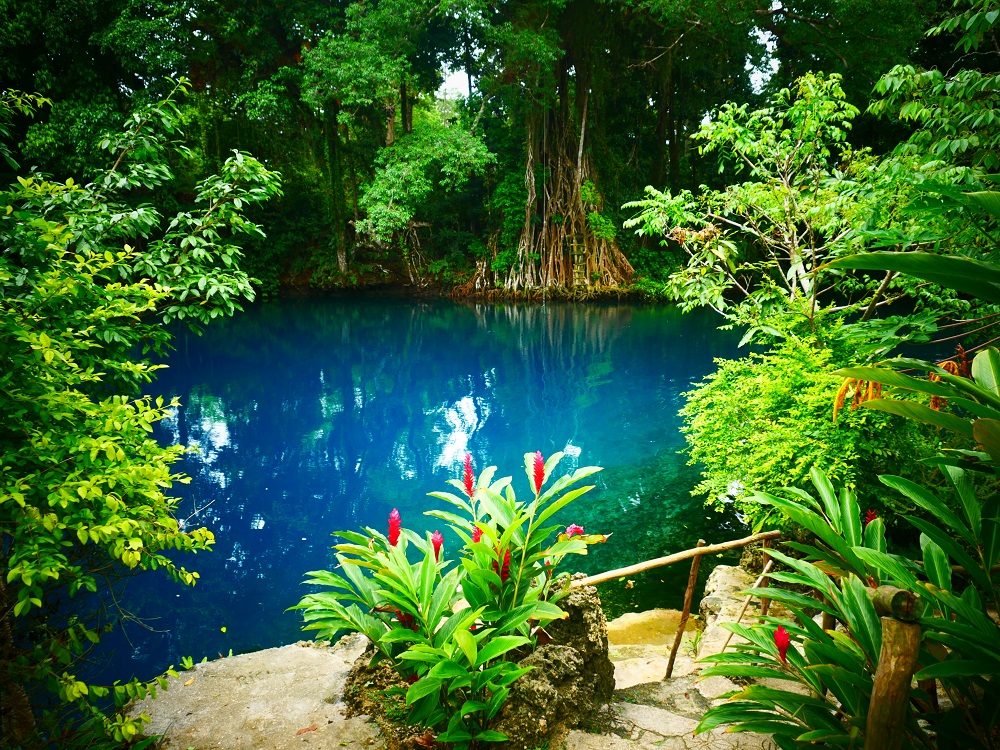

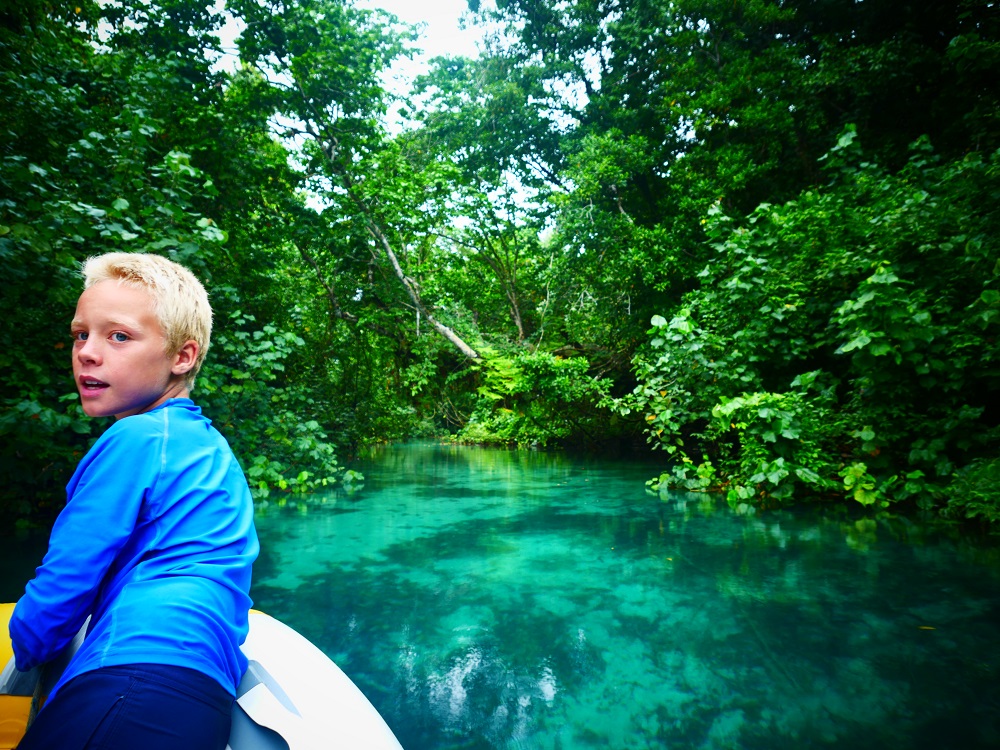
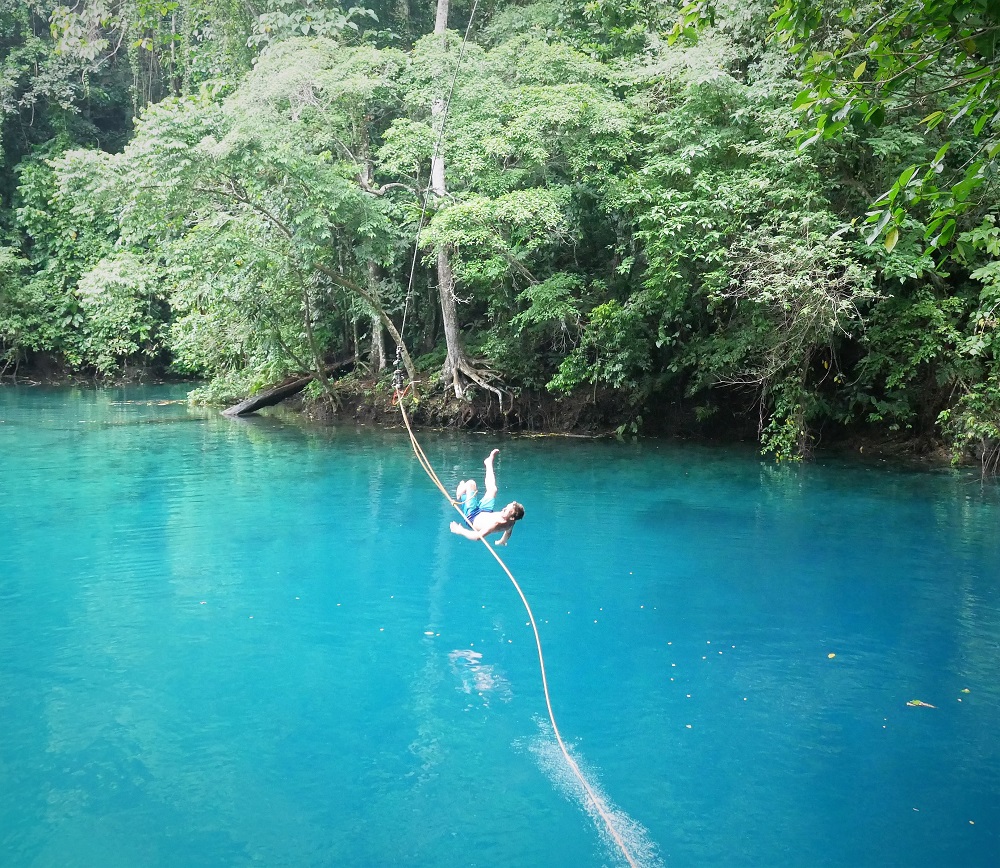
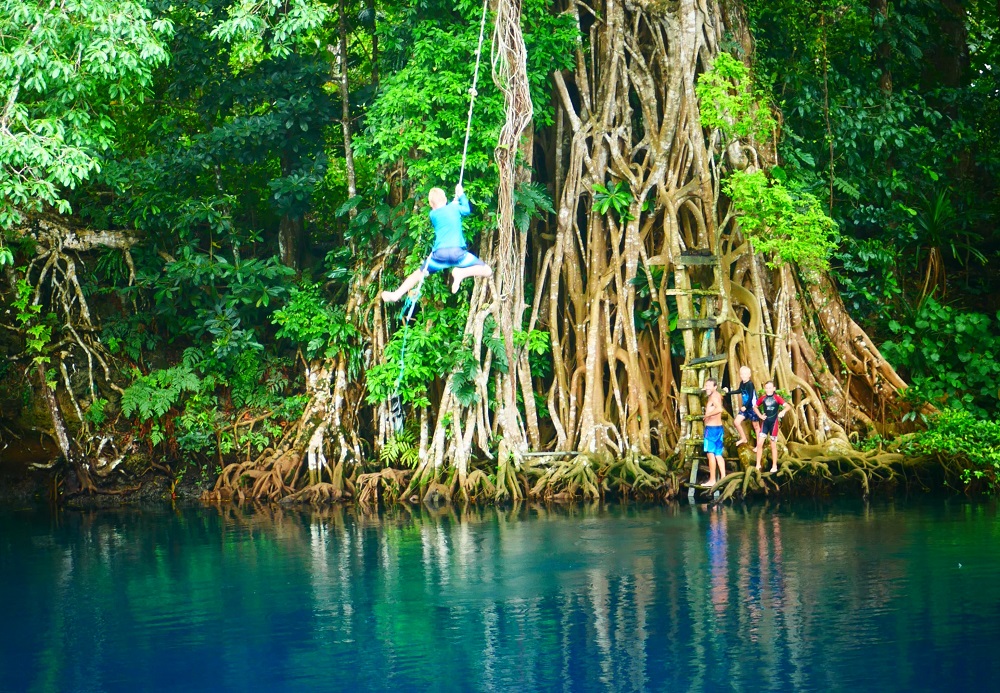
It is not all war, though. In between rain showers, we travel up long, still rivers where the green jungle is perfectly mirrored in the shallow water to visit gorgeous freshwater blue holes. Ropes hang from overhead branches and the kids spend hours flying through the air and cannon-balling into the deep blue waters.

 SV Bob The Cat